Understanding the nuances of pool maintenance can significantly impact the quality of service provided and the efficiency of operations. While all pools require regular testing, some demand more frequent checks than others. This blog post delves into the reasons behind these differences, offering insights into how they can affect pool maintenance practices and overall water quality.
Why Some Pools Require More Frequent Testing Than Others
This article explores the various factors that influence the frequency of testing for pool water quality. From pool usage patterns to environmental influences, we will discuss how these elements create a need for different testing schedules. Furthermore, we’ll provide practical insights and expert advice to help pool owners and service professionals ensure optimal water quality and customer satisfaction.
When it comes to maintaining a swimming pool, water quality testing is a critical aspect that cannot be overlooked. The frequency of testing varies significantly among different pools due to several factors. Understanding these can not only enhance the safety of pool users but also optimize maintenance costs and efforts. This post will break down the core reasons why some pools require more rigorous testing schedules and offer actionable tips for pool owners.
Pool Usage Patterns
The frequency with which a pool is used can dramatically affect how often it needs to be tested. For instance, public pools and community swimming areas, which see high volumes of swimmers throughout the day, will require more frequent testing than a private pool used only occasionally. According to the Centers for Disease Control and Prevention (CDC), public pools should be tested several times a day to ensure safety and compliance with health regulations.
In addition to the number of users, the activities taking place in the pool also play a role. Pools that host events, swim classes, or competitions will likely need increased testing to monitor for contaminants introduced by multiple swimmers. This is particularly true in environments where sunscreen, sweat, and organic matter can quickly degrade water quality.
For example, a community pool in a busy urban area might need daily testing, while a private home pool that sees use only on weekends could suffice with weekly checks. Understanding these differences helps pool owners manage their resources and maintain water quality effectively.
Environmental Factors
Environmental factors can significantly influence pool water quality, necessitating more frequent testing. Pools located in areas with high pollen counts or nearby vegetation may require additional testing to account for debris and other organic materials that can enter the water. Rainfall can also introduce contaminants, altering the water chemistry and necessitating immediate testing.
Additionally, climate plays a vital role. Pools in warmer climates with high evaporation rates may require more frequent testing due to fluctuating chemical levels. For instance, a pool in Florida may need regular testing to ensure proper chlorine levels, while a pool in a cooler climate might maintain stable conditions for a longer period.
Understanding how these environmental factors affect your pool can lead to more effective maintenance practices. For instance, during pollen season or after a heavy rain, it’s advisable to test water quality more regularly to ensure that levels remain safe for swimmers.
Type of Pool and Its Equipment
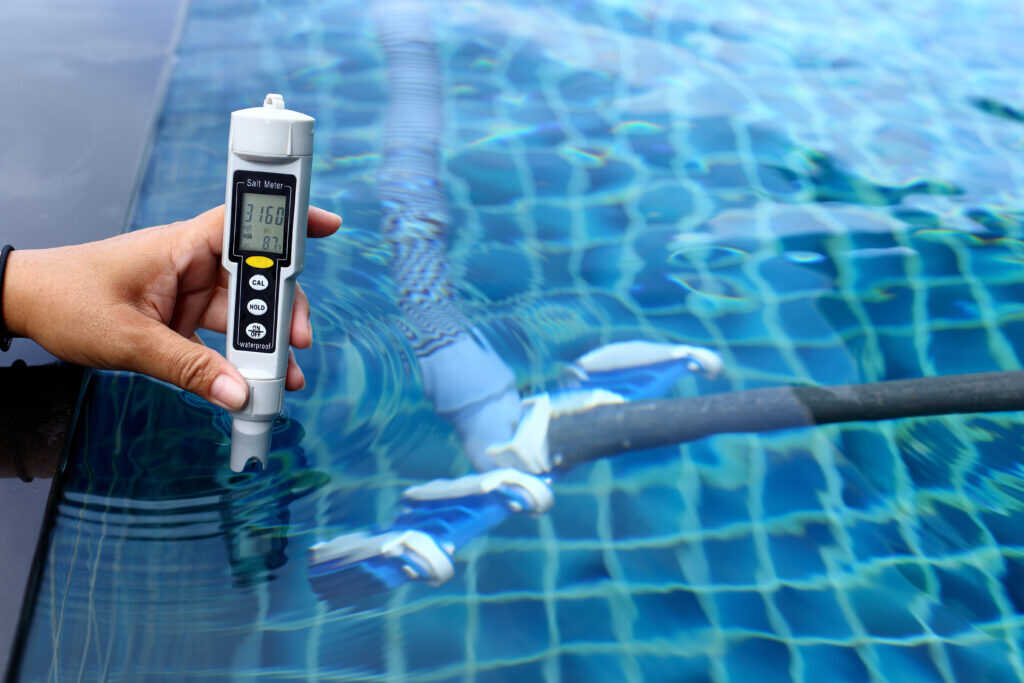
The type of pool and its accompanying equipment also dictate testing frequency. For instance, saltwater pools often require different maintenance routines compared to traditional chlorine pools. Saltwater pools can have variations in salinity that need to be monitored closely. This calls for testing chlorine levels more frequently, especially when first setting up the pool or after significant weather events.
Furthermore, the filtration system in place can impact the cleanliness of the pool. Pools equipped with advanced filtration systems may require less frequent testing due to better water circulation and purification. Conversely, older systems may not filter contaminants as effectively, leading to a need for more regular checks.
For those considering investing in a pool, understanding these differences can guide you towards selecting the right equipment and maintenance schedule. Regular consultations with a reputable pool service broker, such as [Tower Business Brokers](https://pool-routes-for-sale.com/), can help ensure that your pool remains in optimal condition.
Health and Safety Regulations
Health and safety regulations also play a critical role in determining how often pool water should be tested. Public pools and spas are typically subject to more stringent guidelines, which mandate frequent testing to protect the health of users. Failure to comply with these regulations can lead to serious health risks and potential legal repercussions.
In many jurisdictions, health departments require public pools to maintain specific sanitizer levels, pH balance, and clarity standards. These regulations often stipulate testing multiple times daily, especially during peak usage periods.
Private pool owners, while not always subject to these strict regulations, should still consider adopting similar practices to ensure the safety of their friends and family. By staying informed about local health codes and recommendations from industry experts, pool owners can create a safe swimming environment.
Water Source Quality
The quality of water used to fill the pool can also influence testing frequency. In regions where water sources are heavily chlorinated or have high mineral content, it may lead to imbalances that necessitate more frequent testing. This is particularly true in areas where water sources are subject to contamination from agricultural runoff or industrial discharge.
Furthermore, wells or natural sources may contain bacteria or other contaminants requiring careful monitoring. Pool owners should consider conducting water tests before filling their pools and regularly after. This proactive approach can help prevent issues before they arise and ensure that the pool remains clean and clear.
For those looking to buy or sell pool routes, understanding these nuances can lead to better decision-making. Ensuring that pools are adequately maintained and tested can significantly affect their value and profitability, making it crucial for potential buyers to consider these factors when evaluating pool routes for sale.
Best Practices for Pool Testing
To maintain optimal water quality, it’s essential to establish a routine testing schedule based on the specific characteristics of your pool. For public pools, consider implementing testing protocols that align with local health regulations, ensuring that testing occurs several times a day during peak usage.
For private pools, develop a customizable testing schedule based on usage patterns, environmental factors, and water source quality. Regular monitoring of pH levels, chlorine concentration, and alkalinity will help keep the water safe and enjoyable for all users. Don’t hesitate to consult professionals who can provide guidance tailored to your specific needs.
Advancements in pool testing technology, such as digital testing kits and automated monitoring systems, can also help streamline this process. These tools can provide real-time data on water quality, allowing for quick adjustments and ensuring that chemical levels remain within safe ranges.
Conclusion
In conclusion, understanding why some pools require more frequent testing than others can greatly enhance maintenance practices and improve water quality. Factors such as pool usage patterns, environmental influences, pool type, health regulations, and water source quality all play a critical role in determining testing frequency.
By adopting best practices and staying informed about these factors, pool owners can ensure a safe and enjoyable swimming experience for everyone. Whether you’re considering purchasing a pool route or maintaining your own pool, remember that regular testing is key to success in the pool maintenance industry.
For those interested in exploring opportunities in the pool service sector, consider reaching out to [Tower Business Brokers](https://pool-routes-for-sale.com/) for insights on pool routes for sale. Investing in a pool route can provide immediate income and access to a loyal customer base, making it a smart choice for aspiring entrepreneurs.