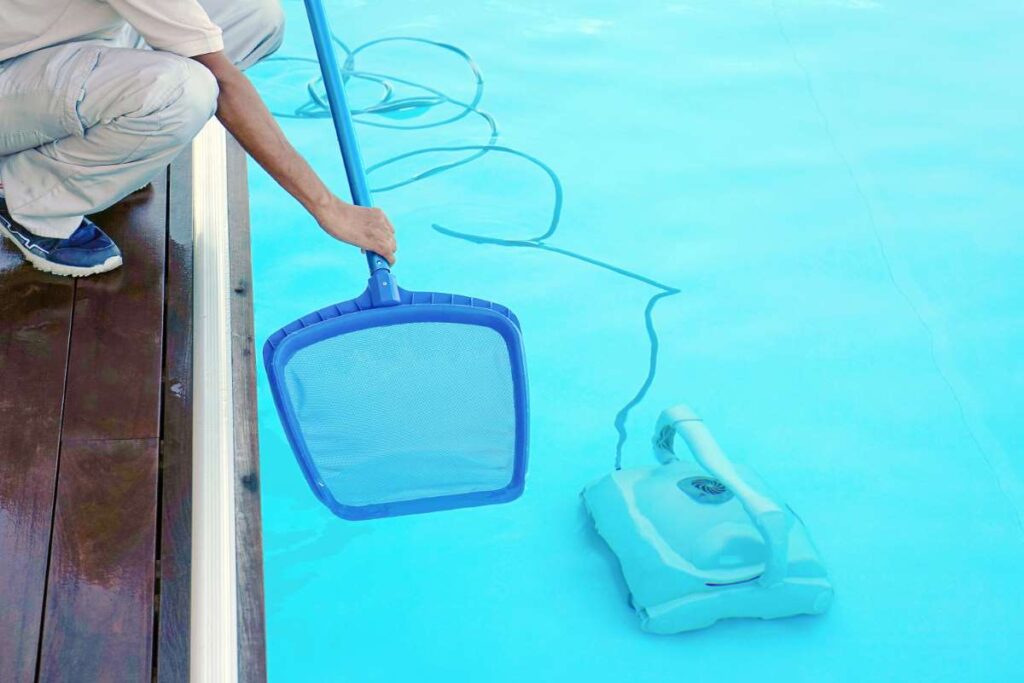
Discover the fascinating world of biofilm in pool pipes, uncovering its biology, impact, and solutions to ensure your pool remains pristine.
The Biology Behind Biofilm in Pool Pipes
The presence of biofilm in pool pipes is a significant concern for pool owners and service professionals alike. Understanding the biology behind biofilm formation is essential to maintaining a pristine swimming environment. This article will delve into what biofilm is, how it develops in pool plumbing systems, the potential health risks it poses, and the strategies that can be employed to mitigate its growth. By the end, you will have a comprehensive understanding of biofilm and how to keep your pool in top condition.
Biofilms are complex communities of microorganisms that adhere to surfaces, forming a protective matrix that can be difficult to remove. In the context of pool pipes, biofilms can develop when water stagnates, providing an ideal environment for bacteria, algae, and other microorganisms to thrive. This problem is particularly pronounced in areas with poor water circulation or insufficient maintenance. Understanding the biology of biofilms is crucial for any pool owner looking to maintain a clean and safe swimming environment.
What is Biofilm?
Biofilm is primarily composed of bacteria, algae, fungi, and protozoa, all embedded in a self-produced matrix of extracellular polymeric substances (EPS). This matrix serves as a protective barrier, allowing the microorganisms within to resist environmental stresses, including chemical disinfectants. In swimming pools, biofilm can form on various surfaces, from pipes and filters to tiles and pool walls, creating unsightly stains and harboring pathogens.
Research indicates that biofilms can develop within just a few hours of water stagnation, making it essential for pool owners to understand how to prevent their formation. Factors such as temperature, nutrient availability, and surface roughness can all influence biofilm growth. For instance, warmer water temperatures can enhance microbial growth, while rougher surfaces provide more area for biofilm attachment.
The Process of Biofilm Formation
Biofilm formation occurs in several stages, beginning with the initial attachment of planktonic microorganisms to a surface. This is followed by the development of a monolayer of cells, which subsequently multiply and produce EPS, leading to the formation of a mature biofilm. This mature biofilm can be several layers thick, creating a dense community of microorganisms encapsulated in the EPS matrix.
The lifecycle of biofilm is influenced by environmental factors and pool maintenance practices. For example, inadequate sanitation practices can allow biofilms to flourish. Regular water circulation and filtration are vital for preventing stagnant water, which is a primary trigger for biofilm formation. Additionally, shock treatments with chlorine or other disinfectants can help manage biofilm growth when it becomes apparent.
Health Risks Associated with Biofilm
One of the most pressing concerns with biofilm in pool pipes is the potential health risks it poses. Biofilms can harbor harmful pathogens, including bacteria such as Legionella and Pseudomonas aeruginosa, which can cause severe respiratory infections and skin irritations. The presence of these pathogens in pool water can lead to outbreaks of illness among swimmers, making it crucial for pool operators to monitor and manage biofilm effectively.
Moreover, biofilms can contribute to water quality issues, affecting the clarity and safety of pool water. As biofilms grow, they can cause increased demand for disinfectants, leading to an imbalance in chemical levels that can affect swimmer comfort and health. Pool operators must remain vigilant and implement regular cleaning and maintenance protocols to minimize these risks.
Strategies for Preventing Biofilm Growth
Preventing biofilm growth requires a multifaceted approach that includes regular maintenance, proper chemical management, and effective cleaning techniques. Here are some strategies for keeping biofilm at bay:
- Regular Pool Maintenance: Ensure that pool water is circulated effectively and that filters are cleaned regularly to maintain optimal water quality.
- Shock Treatments: Use shock treatments with chlorine or other oxidizers regularly to disrupt existing biofilms and prevent new ones from forming.
- Cleaning Routines: Implement routine cleaning protocols for pool surfaces, including brushing walls and vacuuming debris.
- Water Chemistry Monitoring: Regularly test and balance water chemistry to ensure that disinfectant levels are effective in controlling microbial growth.
Additionally, using specialized cleaning products designed to target biofilm can enhance your efforts in maintaining a clean pool environment. These products often contain enzymes or surfactants that break down the EPS matrix, making biofilm easier to remove.
The Role of Pool Business Brokers
For those considering entering the pool maintenance industry, working with a reputable pool business broker can provide invaluable insights and support. Brokers can help you navigate the complexities of acquiring established pool routes, ensuring you have a solid business foundation that includes effective biofilm management practices.
By investing in a pool route, you gain access to an existing customer base and established operational systems, which can significantly reduce your startup challenges. Learn more about available options by visiting [Pool Routes for Sale](https://pool-routes-for-sale.com/).
Conclusion
Understanding the biology behind biofilm in pool pipes is crucial for maintaining a safe and clean swimming environment. By recognizing the factors that contribute to biofilm formation and implementing effective prevention strategies, pool owners can mitigate health risks and enhance the overall quality of their pool water.
As the pool maintenance industry continues to grow, the importance of effective biofilm management will only increase. For those looking to enter or expand within this sector, partnering with experts and leveraging established pool routes can provide significant advantages. Explore the potential of owning a pool route today by visiting [Pool Routes for Sale](https://pool-routes-for-sale.com/), and start your journey towards a successful pool service business.