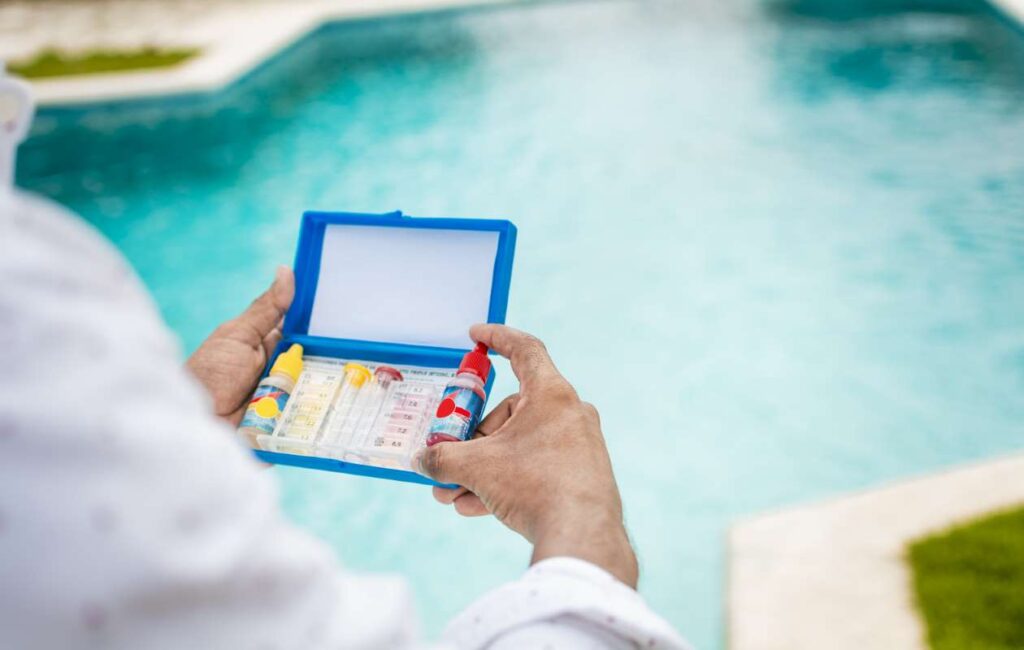
The differences between old and modern chlorination systems impact water quality and maintenance practices, crucial for pool service professionals.
The Differences Between Old and Modern Chlorination Systems
Chlorination systems are essential in maintaining water quality in swimming pools. This article delves into the evolution of these systems, comparing traditional methods with modern approaches. We’ll explore the benefits of new technologies, the impact on efficiency, safety, and user experience, while providing insights into how these changes can affect pool maintenance and management.
Chlorination systems are pivotal to ensuring the safety and cleanliness of swimming pools. As the pool industry has evolved, so too have the methods for maintaining water quality. The traditional chlorination methods, while effective, have some limitations that modern systems have sought to address. Understanding these differences is essential for pool service professionals and owners alike, as it can significantly affect operations, maintenance costs, and user satisfaction.
In this blog post, we will explore the core differences between old and modern chlorination systems, highlighting their respective benefits and drawbacks. We’ll discuss the technical aspects of each system, their efficiency, safety features, and how they align with current environmental standards. By the end, you’ll gain a comprehensive understanding of how these systems influence pool management and the potential for improved service offerings in the competitive pool maintenance industry.
Understanding Old Chlorination Systems
Old chlorination systems primarily operated on the principle of manually adding chlorine tablets or liquid chlorine to the pool water. This method, while straightforward, had implications for water quality and safety. The manual process required constant monitoring of chlorine levels, which could lead to fluctuations, compromising the pool’s hygiene.
Traditional systems often relied on either gas chlorine or calcium hypochlorite. Gas chlorine, although effective, posed safety hazards due to its toxicity and the potential for leaks. On the other hand, calcium hypochlorite required careful handling and storage, adding complexity to pool management. These systems also lacked automation, translating into higher labor costs and a greater chance for human error in maintaining appropriate chlorine levels.
Moreover, the reliance on these older methods often resulted in a significant amount of chlorine being added to the water, leading to issues such as chlorine lock and irritation for swimmers. As such, pool service professionals faced challenges in providing a consistently safe experience for users, not to mention the potential for equipment corrosion from excessive chlorine levels.
The Rise of Modern Chlorination Systems
Modern chlorination systems have transformed how pool owners manage water quality. These new systems utilize advanced technologies such as saltwater chlorination, UV systems, and ozone generators, providing several advantages over traditional methods.
Saltwater chlorination, for example, converts salt into chlorine through a process called electrolysis. This method ensures a steady level of chlorine in the pool water, reducing the need for manual adjustments. Not only does this promote greater stability in water quality, but it also minimizes chemical irritation for swimmers, creating a more enjoyable experience.
Furthermore, modern systems often include automation features that allow for remote monitoring and control of chlorine levels. This capability leads to more precise management and reduces the workload for pool service professionals. Technologies like these represent a significant leap forward, enabling pool services to operate more efficiently and effectively.
Comparing Safety Features
Safety is a critical consideration in the operation of any chlorination system. Traditional systems often rely on hazardous chemicals that require careful handling and storage. The risks associated with gas chlorine, in particular, necessitate stringent safety protocols, including the use of specialized training for pool service professionals.
In contrast, modern systems significantly reduce these risks. Saltwater chlorination systems, for instance, use a less hazardous form of chlorine, while UV systems eliminate the need for chemicals altogether. UV systems work by exposing water to UV light, which effectively kills bacteria and viruses without the use of chlorine. This innovation not only enhances safety but also appeals to health-conscious consumers looking for alternatives to traditional chemical treatments.
Moreover, many modern systems are designed with fail-safes and alarms that alert users to any irregularities in water quality. This proactive approach to pool maintenance ensures that any potential issues are addressed promptly, safeguarding the health of swimmers and the integrity of the pool environment.
Environmental Considerations and Sustainability
Environmental concerns are increasingly influencing how pool maintenance is approached. Traditional chlorination methods can lead to the creation of harmful byproducts, such as chloramines, which not only affect water quality but also contribute to air pollution around pool areas.
Modern chlorination systems, particularly saltwater systems, often have a lower environmental impact. By minimizing the input of harsh chemicals, these systems reduce the amount of wastewater produced and the overall chemical footprint. Furthermore, with the growing emphasis on sustainability, many pool service companies are now considering how their practices affect the environment.
In addition, advanced filtration systems that work in conjunction with modern chlorination methods often utilize less energy and water, contributing to a more sustainable operational model. By adopting these innovative systems, pool service businesses can not only improve their service offerings but also enhance their reputation as environmentally responsible partners in the community.
Cost-Effectiveness and Operational Efficiency
While the initial investment for modern chlorination systems may be higher than traditional systems, the long-term cost savings are significant. Automated systems reduce labor costs by simplifying maintenance schedules and decreasing the frequency of manual adjustments required for chlorine levels.
Additionally, with modern systems producing fewer corrosive byproducts, pool equipment and surfaces face less wear and tear, resulting in lower maintenance and replacement costs. This longevity translates into greater operational efficiency, allowing pool service professionals to focus on expanding their customer base rather than addressing recurring maintenance issues.
Investing in modern chlorination technology can be particularly advantageous for those looking to buy pool routes. As pool owners increasingly seek out advanced systems, the potential for enhanced profitability through improved service offerings becomes apparent. Pool service businesses that adapt to these changes are better positioned to thrive in a competitive market.
Training and Support for Transitioning to Modern Systems
Transitioning from traditional to modern chlorination systems requires adequate training and support for pool service professionals. Understanding the intricate workings of new technologies is crucial for effective implementation and management.
Companies like Tower Business Brokers, Inc. offer valuable resources and training programs to help professionals navigate this transition smoothly. With comprehensive support, pool service businesses can ensure their teams are equipped with the knowledge and skills necessary to operate modern systems effectively.
In addition, continuous education on the latest trends and technologies is vital for maintaining a competitive edge in the pool service industry. As new advancements emerge, staying informed will enable professionals to provide the best possible service to their clients, ensuring customer satisfaction and retention.
Customer Perceptions and Market Demand
As consumers become more health-conscious and environmentally aware, the demand for modern chlorination systems is on the rise. Many pool owners now prioritize systems that enhance water quality without resorting to harsh chemicals. This shift in consumer preference presents an opportunity for pool service professionals to offer tailored service packages that emphasize safe, sustainable practices.
By positioning their businesses as experts in modern chlorination technologies, pool service professionals can attract a broader client base, including environmentally aware consumers and families seeking safe recreational spaces for their children. Building a reputation as a forward-thinking operator can lead to increased referrals and long-term customer loyalty.
Moreover, emphasizing the benefits of modern systems in marketing efforts can enhance customer engagement. Highlighting features such as lower chemical use, improved water quality, and enhanced swimmer safety can resonate with potential clients, leading to higher conversion rates for service offerings.
Conclusion
As we have explored, the differences between old and modern chlorination systems are significant and multifaceted. Modern systems not only provide enhanced safety, efficiency, and environmental benefits, but they also cater to the evolving preferences of consumers in the pool maintenance industry.
For pool service professionals, adapting to these advancements is not merely an option but a necessity to remain competitive. By embracing modern chlorination technologies, businesses can increase operational efficiency, reduce costs, and improve customer satisfaction.
Ultimately, the shift towards modern chlorination systems represents not just a technological advancement but a pivotal moment for the pool service industry. For those looking to enter the market or expand their existing operations, exploring options for pool routes for sale can provide immediate access to established customer bases and revenue streams. Contact us today to learn more about how we can help you thrive in this promising sector.