The effects of UV exposure on chlorine levels in pool water are crucial for maintaining optimal sanitation and water quality. Understanding this relationship can enhance pool maintenance practices.
The Impact of UV Exposure on Chlorine Levels
Ultraviolet (UV) radiation from the sun can significantly influence the chemical composition of pool water, particularly chlorine levels. Chlorine is a critical component in maintaining water safety by eliminating harmful bacteria and pathogens. However, prolonged UV exposure can lead to rapid chlorine degradation, affecting the overall hygiene of the pool. In this article, we will explore the interplay between UV radiation and chlorine levels, the implications for pool maintenance, and practical strategies for pool owners to mitigate these effects.
As pool owners, knowing how UV exposure interacts with chlorine can help in adjusting maintenance regimes, ensuring that the water remains safe for swimmers. This article will delve into the science behind chlorine loss due to UV exposure, the factors influencing this process, and effective strategies to maintain balanced chlorine levels in pools.
Understanding UV Radiation and Chlorine Interaction
UV radiation is a part of the electromagnetic spectrum, emitted by the sun and artificial light sources. It is categorized into three types: UVA, UVB, and UVC, with UVA and UVB being the most relevant to pool water. When chlorine is present in pool water, it undergoes a photolytic reaction when exposed to UV rays, leading to the breakdown of chlorine into less effective compounds. Studies have indicated that up to 90% of free chlorine can be lost due to UV exposure within a few hours in direct sunlight.
This rapid loss of chlorine not only diminishes the pool’s sanitizing capacity but also creates an environment conducive to algae growth and other waterborne pathogens. For pool owners, understanding this interaction is crucial for maintaining health standards and ensuring swimmer safety. For instance, the use of UV stabilizers and chlorine alternatives can help combat the effects of UV radiation on chlorine levels.
Factors Influencing Chlorine Depletion
Several factors can influence the rate at which chlorine is depleted in pool water. The most significant of these factors include:
- Sunlight Exposure: Pools situated in direct sunlight experience higher rates of chlorine loss compared to shaded pools.
- Water Temperature: Higher temperatures can accelerate the breakdown of chlorine, necessitating more frequent monitoring and adjustments.
- pH Levels: The effectiveness of chlorine is pH-dependent, with lower pH levels leading to better chlorination efficiency. However, exceedingly high or low pH can contribute to chlorine loss.
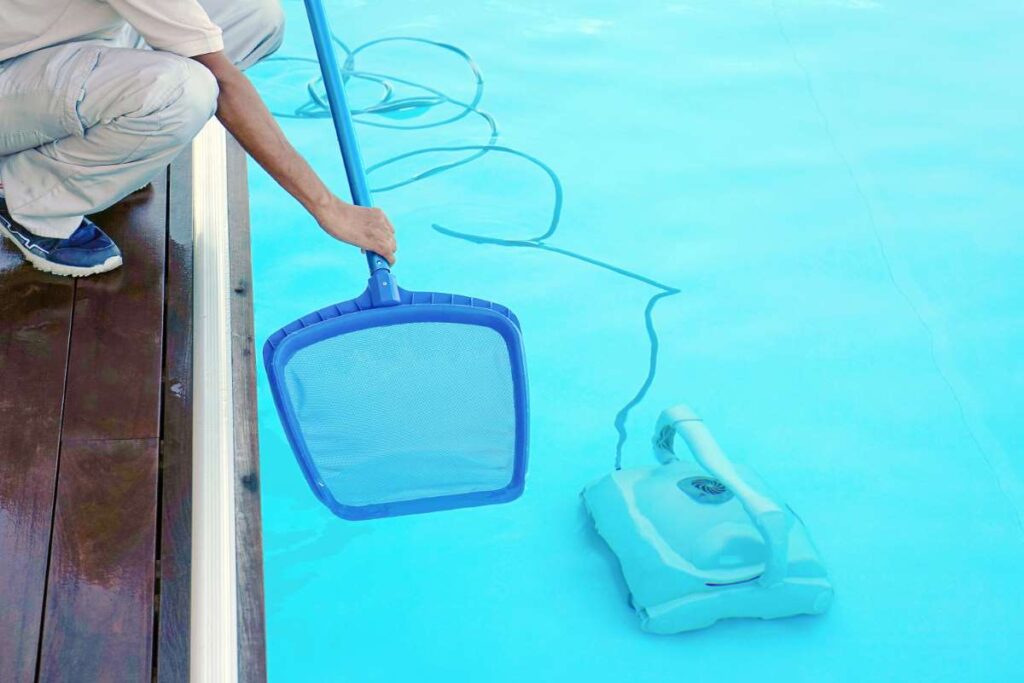
- Presence of Organic Matter: Leaves, debris, and other organic materials can consume chlorine, increasing its depletion rate. Regular cleaning can mitigate this effect.
By being aware of these factors, pool owners can implement proactive maintenance strategies to ensure that chlorine levels remain balanced, enhancing the overall hygiene of the pool environment.
Mitigating Chlorine Loss from UV Exposure
To effectively mitigate the impact of UV exposure on chlorine levels, pool owners can adopt several best practices. These strategies not only help maintain adequate chlorine levels but also contribute to the overall health of the pool:
- Use Stabilized Chlorine: Stabilized chlorine (such as dichlor and trichlor) contains cyanuric acid, which acts as a sunscreen for chlorine, protecting it from UV degradation.
- Maintain Optimal pH Levels: Regularly test and adjust the pH levels of the pool water to stay within the optimal range (7.2 – 7.6). This enhances chlorine efficiency and reduces loss.
- Regular Water Testing: Frequent testing of water chemistry allows for timely adjustments, ensuring that chlorine levels remain within the recommended range of 1-3 ppm.
- Implementing Shade Structures: Installing pool covers or shade sails can significantly reduce direct sunlight exposure, thereby minimizing chlorine loss during peak hours.
- Regular Cleaning: Keeping the pool free of organic debris and contaminants can help maintain chlorine levels, as these substances can consume chlorine quickly.
By integrating these practices into routine pool maintenance, owners can effectively combat the adverse effects of UV exposure on chlorine levels, ensuring that the pool remains a safe and enjoyable space for all users.
The Role of Alternative Sanitation Methods
In addition to traditional chlorine methods, alternative sanitation options can complement or even replace chlorine, providing more resilient solutions to manage chlorine loss. Some effective methods include:
- Saltwater Systems: These systems generate chlorine on-site by passing saltwater through a chlorinator, offering a more stable and consistent chlorine level while reducing the need for additional chlorine additions.
- Ozone Generators: Ozone is a powerful oxidizer that can effectively kill bacteria and viruses without the drawbacks of chlorine, such as irritation for swimmers and rapid degradation from UV exposure.
- UV Sanitation Systems: Installing UV systems can provide an additional layer of sanitation. These systems use UV light to eliminate pathogens, reducing the reliance on chlorine.
While alternative sanitation methods may come with higher initial investment costs, they can significantly improve long-term operational efficiency and reduce the frequency of chemical additions, making them a worthwhile consideration for pool owners. For those interested in expanding their pool maintenance operations, exploring profitable avenues like [pool routes for sale](https://pool-routes-for-sale.com/) can also provide valuable insights into effective pool management practices.
Practical Tips for Pool Owners
For pool owners looking to maintain optimal chlorine levels amidst UV exposure, consider the following practical tips:
- Schedule Regular Maintenance: Develop a weekly maintenance schedule that includes water testing, cleaning, and chemical balancing.
- Monitor Water Levels: Keep an eye on evaporation rates, especially during hot weather, as lower water levels can lead to increased concentrations of chemicals.
- Educate Swim Users: Informing swimmers about the importance of showering before entering the pool can help reduce organic contaminants and minimize chlorine depletion.
- Use a Good Pool Cover: When the pool is not in use, covering it can minimize debris and UV exposure, thus preserving chlorine levels.
Implementing these tips can ensure a more enjoyable swimming experience while maintaining health and safety standards in your pool environment. Investing in reliable resources, such as guidance from a reputable [pool business broker](https://pool-routes-for-sale.com/), can also streamline the process of finding effective solutions for your pool maintenance needs.
Conclusion
Understanding the impact of UV exposure on chlorine levels is vital for effective pool maintenance and ensuring a safe swimming environment. By recognizing the factors that contribute to chlorine depletion and implementing practical strategies, pool owners can safeguard their pools against the adverse effects of UV radiation.
From utilizing stabilized chlorine to considering alternative sanitation methods, there are multiple avenues available to maintain chlorine levels effectively. As the pool maintenance industry continues to evolve, embracing innovative solutions and strategies will not only enhance the operational efficiency of pool ownership but also contribute to a healthier swimming experience.
For those looking to venture into pool service entrepreneurship or expand their existing operations, exploring options like [pool routes for sale](https://pool-routes-for-sale.com/) can provide valuable insights into sustainable growth in this thriving industry. Don’t hesitate to take action—your pool maintenance journey starts today!