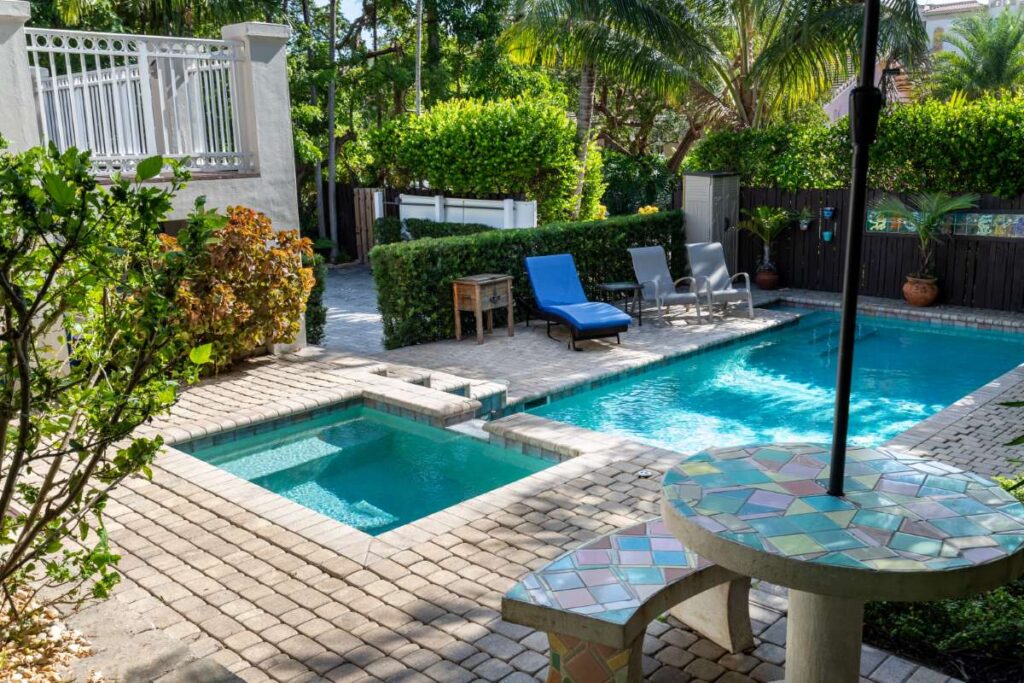
Prepare your pool for heavy rain seasons with these essential tips to ensure safety and maintenance. Protect your investment and enjoy peace of mind!
The Best Ways to Prepare Pools for Heavy Rain Seasons
As the rainy season approaches, pool owners must take proactive measures to safeguard their pools from potential damage and ensure optimal maintenance. Heavy rains can introduce debris, affect water quality, and even cause structural issues if not properly managed. This article explores the best strategies for preparing pools for heavy rain seasons, providing comprehensive insights into practical steps you can take to protect your investment. From ensuring proper drainage to routine maintenance checks, we will cover it all, so you can enjoy your pool worry-free even during downpours.
Understanding the impact of heavy rain on your pool is essential. Rainfall can introduce contaminants, alter pH levels, and create overflow situations that may damage surrounding areas or the pool itself. By following our best practices, you can minimize these risks, ensuring that your pool remains clean, safe, and ready for use when the sun returns.
1. Regular Maintenance Checks
Before the heavy rains arrive, conduct a thorough maintenance check of your pool. This includes inspecting the filtration system, checking for any leaks, and ensuring that all components are functioning properly. Regular maintenance not only ensures that your pool operates efficiently but also helps in identifying potential problems before they escalate.
Look for signs of wear and tear on your pool cover, skimmer, and pump. Clean out any debris and ensure that your filters are in good condition. According to industry standards, a well-maintained pool system can significantly reduce the risk of flooding and other rain-related issues.
Additionally, consider investing in a quality pool cover. A durable cover will keep out leaves and debris, reducing the amount of cleanup required post-rain. It also helps prevent algae growth and maintains water quality, making it easier to reopen the pool after the rainy season.
2. Ensure Proper Drainage
Effective drainage is crucial for preventing water from pooling around your pool area. Heavy rains can cause overflow, leading to soil erosion and potentially damaging your property. To ensure proper drainage, make sure that the area surrounding your pool is graded away from the pool. This allows rainwater to flow away instead of towards your pool.
Installing gutters and downspouts that direct rainwater away from your pool area can also help manage excess water. If your yard is prone to flooding, consider adding French drains or other drainage systems that can effectively channel water away from the pool.
Regularly check your drains to ensure they are clear of debris. Clogged drains can lead to water buildup, which may increase the risk of flooding and structural damage. By maintaining excellent drainage, you can protect your pool and surrounding landscape from heavy rain impacts.
3. Water Chemistry Management
Heavy rain can drastically affect the chemistry of your pool water. Rainwater is typically acidic, which can dilute the chlorine levels in your pool, making it susceptible to bacteria and algae growth. Before the rains hit, test your pool’s water chemistry and adjust the pH and chlorine levels accordingly.
After a heavy rain, it is important to retest the water chemistry. You may need to add more chemicals to restore the balance, especially if the rain was substantial. Regular testing and adjustments will ensure that your pool remains clean and safe for swimmers, even after a torrential downpour.
Consider using a pool water testing kit that provides accurate results and recommendations for cleaning products. Maintaining proper water chemistry is crucial for preventing algae blooms and ensuring a safe swimming environment.
4. Remove Any Loose Debris
Before the heavy rains begin, it is essential to clear the area around your pool of any loose debris. Leaves, branches, and other items can easily get swept into the pool during a storm, leading to increased maintenance and potential damage.
Regularly skim your pool surface and clear out any debris that may accumulate. This can help prevent clogging in your skimmers and filters, reducing strain on your pool’s filtration system. Additionally, you can set up a routine cleaning schedule to manage debris throughout the rainy season.
Using a leaf net can be an efficient way to protect your pool from leaves and other debris, minimizing the cleanup required after heavy rains. The less debris that enters your pool, the easier it will be to maintain a clean and healthy swimming environment.
5. Invest in a Pool Cover
A high-quality pool cover is an invaluable investment, especially during the rainy season. Pool covers not only keep debris out but also help maintain water temperature and prevent evaporation. When choosing a pool cover, consider one that is both durable and easy to install.
Make sure the cover fits securely over the pool, reducing the likelihood of water pooling on top of the cover. This excess weight can damage the cover and lead to complications if not managed properly.
Using a cover pump to remove rainwater that may accumulate on top of the cover is a smart strategy. This keeps the cover in good condition and prevents any water from seeping into your pool during heavy rains.
6. Monitor Your Pool Equipment
Take the time to inspect your pool equipment before the onset of heavy rains. Ensure that your pumps, filters, and heaters are in good working order. Rain can cause electrical shorts if equipment is inadequately protected, so consider using waterproof housing for sensitive components.
Additionally, check your pool’s lighting systems and other electrical components to ensure they are properly sealed against moisture. Investing in quality equipment can save you from costly repairs and ensure your pool remains functional year-round.
If you notice any issues with your equipment, address them immediately. Proactive maintenance will help avoid complications when the rain begins and keep your pool operational and safe.
7. Create a Cleaning Schedule
Establishing a regular cleaning schedule is essential for maintaining your pool during the rainy season. Depending on your location and the amount of rain received, you may need to increase the frequency of cleaning to combat debris and water quality issues.
After heavy rain, plan to check and clean your pool immediately. This includes skimming, vacuuming, and checking chemical levels. Regular maintenance will help keep your pool in top condition and ready for use as soon as the weather clears.
Incorporating a checklist for your pool cleaning routine can help ensure that no tasks are overlooked. This structure helps streamline maintenance efforts and keeps your pool looking pristine.
8. Consider Landscaping Adjustments
Your pool’s surrounding landscape can significantly impact how rainwater flows and accumulates. If your pool is prone to flooding during heavy rains, consider making adjustments to your landscaping. Raise flower beds or create berms to direct rainwater away from the pool area.
Planting vegetation that absorbs excess water can also help manage drainage issues. Native plants or deep-rooted grasses are often excellent choices for such situations. They can help stabilize the soil and reduce erosion while effectively managing water flow.
Consulting with a landscaping professional can provide tailored solutions to optimize your yard’s drainage, ensuring that heavy rains do not negatively impact your pool area.
9. Protect Your Investment with Insurance
Heavy rain can pose risks beyond just water quality and debris. Flooding can lead to significant damage, making it essential to protect your investment with adequate insurance. Review your home insurance policy to ensure it includes coverage for pool damage caused by natural disasters.
Discuss with your insurance agent about additional coverage options specific to pool-related issues. This can provide peace of mind knowing that you are financially protected against unforeseen circumstances.
Consider documenting your pool’s condition with photographs before the rainy season to support any claims in case of damage. This proactive step can make the insurance process smoother and help you recover costs more efficiently.
10. Engage a Pool Professional
If preparing your pool for the rainy season feels overwhelming, consider engaging a pool professional. Hiring an expert can provide you with insights and tailored advice to ensure your pool is ready for whatever the weather brings.
Professional pool services often offer comprehensive maintenance packages that include water testing, equipment inspections, and cleaning. This can alleviate the stress of managing your pool and ensure it remains in optimal condition.
Additionally, a pool professional can offer valuable tips and techniques specific to your pool type and local climate, enhancing your overall pool maintenance strategy.
Conclusion
Preparing your pool for heavy rain seasons is vital for maintaining its condition and ensuring your safety. Regular maintenance checks, effective drainage solutions, and appropriate water chemistry management are all essential practices to adopt.
By following these best practices, you can protect your investment, making the most of your pool year-round. Remember, a little preparation goes a long way in preventing potential issues that heavy rains can bring.
As you gear up for the rainy season, consider the importance of maintaining your pool and ensuring it remains a safe haven for family and friends. For more insights into pool maintenance and investment opportunities, explore our services at [Pool Routes for Sale](https://pool-routes-for-sale.com/). Contact us today to learn how we can help enhance your pool experience.