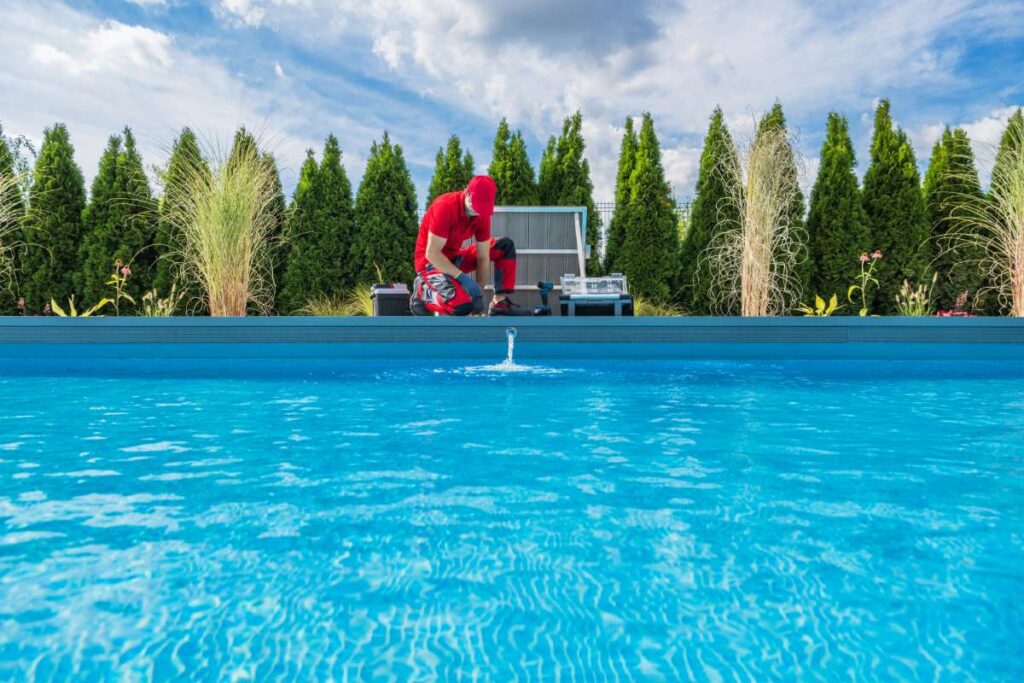
Learn how to effectively balance water chemistry in hot, sunny regions, ensuring a safe and enjoyable swimming experience in your pool.
How to Balance Water Chemistry in Hot, Sunny Regions
Maintaining the right water chemistry in your pool is crucial, particularly in hot, sunny regions where environmental factors can significantly impact water quality. This comprehensive guide delves into the importance of proper water balance, the specific challenges posed by sunny climates, and practical strategies to achieve optimal water chemistry. By understanding the key components of water balance and implementing effective practices, you can ensure a safe, comfortable swimming environment all season long.
As temperatures rise and the sun shines brighter, pools become a refreshing retreat. However, with increased usage and exposure to sunlight, the water chemistry can fluctuate dramatically. This article will cover essential aspects such as pH levels, alkalinity, calcium hardness, and chlorine levels, equipping you with the knowledge necessary to maintain a healthy pool environment.
Understanding Water Chemistry Basics
Water chemistry involves the measurement and adjustment of various chemical levels in your pool to ensure safety and comfort for swimmers. The primary elements include pH, alkalinity, calcium hardness, and sanitizer levels. Each of these plays a critical role in the overall health of your pool water.
pH is a measure of how acidic or basic the water is, ideally maintained between 7.2 and 7.8. Alkalinity acts as a buffer for pH, helping to stabilize it. Calcium hardness refers to the amount of dissolved calcium in the water, which is important for preventing corrosion of pool surfaces and equipment. Lastly, sanitizer levels, primarily chlorine, are essential for killing bacteria and ensuring safe water for swimming.
In hot, sunny regions, these factors can be affected by factors such as evaporation, increased usage, and the introduction of contaminants like sunscreen and body oils. Regular testing and adjustment of these chemical levels are vital to maintaining a clean and inviting pool.
The Impact of Sunlight on Water Chemistry
Sunlight can significantly alter the composition of pool water, primarily through the degradation of chlorine—a common sanitizer used to keep water clean. UV rays from the sun can cause chlorine levels to drop rapidly, leading to inadequate sanitation and potentially unsafe swimming conditions.
Statistics show that chlorine levels can decrease by up to 50% within a single day of exposure to direct sunlight. This is compounded by the fact that increased temperatures can promote algae growth, further necessitating a proactive approach to water chemistry management.
To combat the effects of sunlight, consider using stabilizers such as cyanuric acid, which can help protect chlorine levels from UV degradation. Regularly checking your chlorine levels and adjusting accordingly will ensure a safe swimming environment.
Strategies for Maintaining Water Chemistry in Hot Regions
Maintaining water chemistry in hot, sunny regions requires a proactive approach that includes regular testing, appropriate chemical adjustments, and preventive measures. Here are some effective strategies to consider:
- Regular Testing: Test your water at least once a week. Use pool test kits or strips to measure pH, alkalinity, calcium hardness, and chlorine levels.
- Adjust Chemicals Promptly: If testing reveals imbalances, adjust the chemicals immediately. For example, add chlorine or stabilizers as needed to maintain proper levels.
- Implement a Regular Cleaning Schedule: Regularly cleaning your pool, including skimming debris and vacuuming, helps reduce contaminants that can affect water chemistry.
Additionally, consider the use of an automatic pool cleaner, which can help maintain cleanliness, minimizing the introduction of organic matter into the pool. This will ultimately make it easier to manage chemical levels.
Understanding pH and Alkalinity Management
Maintaining the right pH and alkalinity levels is critical for pool water quality. pH should ideally be maintained between 7.2 and 7.8, as levels outside this range can lead to skin irritation, corrosion of pool equipment, and reduced effectiveness of chlorine.
Alkalinity, ideally between 80 and 120 ppm, helps stabilize pH levels and acts as a buffer against changes. If alkalinity is too low, pH can fluctuate dramatically, leading to unstable water conditions. Conversely, high alkalinity can make it difficult to lower pH, causing persistent problems.
To raise alkalinity, add sodium bicarbonate, while muriatic acid or sodium bisulfate can be used to lower it. Always follow the manufacturer’s instructions and retest after adjustments.
Maintaining Chlorine Levels
Chlorine levels are vital for ensuring that your pool remains free from harmful bacteria and pathogens. In hot regions, chlorine levels can drop quickly due to sunlight exposure, so regular monitoring is essential.
Maintaining a chlorine level between 1 to 3 ppm is ideal for effective sanitation. If levels are too low, you can add chlorine tablets or liquid chlorine as needed. Additionally, consider using a floating chlorinator or automatic chlorinator to help maintain consistent levels.
For those concerned about the harsh effects of chlorine, there are alternatives available, such as saltwater systems that convert salt into chlorine, providing a gentler swimming experience.
Calcium Hardness: Why It Matters
Calcium hardness is a crucial aspect of pool water chemistry that is often overlooked. This measurement indicates the amount of dissolved calcium in the water, which is essential for preventing corrosion of pool surfaces and equipment.
The ideal range for calcium hardness is between 200 and 400 ppm. If calcium levels are too low, it can lead to corrosive water that damages pool surfaces and equipment. Conversely, high calcium levels can result in scale buildup.
To adjust calcium hardness, add calcium chloride to increase levels. Regular testing will help maintain appropriate calcium levels, ensuring the longevity of your pool and its components.
Best Practices for Water Chemistry Management
In addition to regular testing and adjustments, following best practices will ensure the efficient management of pool water chemistry:
- Use a Pool Cover: A pool cover can minimize evaporation and reduce the introduction of contaminants.
- Monitor the Weather: Increased rainfall and temperature fluctuations can affect water chemistry, so be prepared to adjust your chemical levels accordingly.
- Educate Pool Users: Encourage swimmers to shower before entering the pool and avoid using sunscreen, oils, or lotions that can compromise water quality.
Implementing these practices will not only maintain water chemistry but will also enhance the overall swimming experience.
Additional Considerations for Pool Owners
Owning a pool in a hot, sunny region can be a rewarding experience, but it comes with its unique set of challenges. Understanding these challenges and being proactive about water chemistry management is key to ensuring a clean and enjoyable swimming environment.
Consider investing in technology such as automated water chemistry monitors that can help continuously track key metrics and notify you of any imbalances. This can take the guesswork out of pool maintenance and provide peace of mind.
Additionally, if you find maintaining water chemistry overwhelming, consider hiring a professional pool service. Companies like [Pool Routes for Sale](https://pool-routes-for-sale.com/) specialize in pool maintenance and can assist in keeping your pool in optimal condition.
Conclusion
Balancing water chemistry in hot, sunny regions is essential for maintaining a safe and enjoyable pool environment. By understanding the impact of sunlight, regularly testing chemical levels, and implementing effective management strategies, you can ensure that your pool remains a refreshing oasis during the hot summer months.
Remember to educate yourself about the key components of water chemistry, such as pH, alkalinity, calcium hardness, and chlorine levels. Regularly monitoring and adjusting these factors will not only enhance the swimming experience but also prolong the life of your pool and equipment.
For more information on maintaining your pool or for assistance in purchasing pool routes for sale, visit [Tower Business Brokers](https://pool-routes-for-sale.com/). Start your journey towards successful pool ownership today and enjoy the many benefits of a well-maintained swimming pool.