Discover the most popular pool styles in the U.S. and their implications for pool technicians. Learn how these styles can shape service demands and opportunities in the industry.
The Most Popular Pool Styles in the U.S. (And What They Mean for Technicians)
As the pool maintenance industry continues to evolve, understanding the various styles of pools that are popular across the United States becomes increasingly important for technicians. Each pool style not only serves aesthetic purposes but also dictates maintenance needs, client expectations, and service requirements. In this article, we will explore the most popular pool styles in the U.S., their unique features, and what they mean for pool technicians in terms of service delivery and market opportunities.
The rise of pool ownership reflects changing lifestyles and home preferences. With more homeowners investing in their backyards, technicians must adapt to the diverse demands that come with various pool designs. From classic rectangular pools to modern natural designs, each style offers unique challenges and opportunities. This article will provide insights into the most popular pool styles, the specific maintenance they require, and how technicians can position themselves to meet the growing demands of this industry.
Classic Rectangular Pools
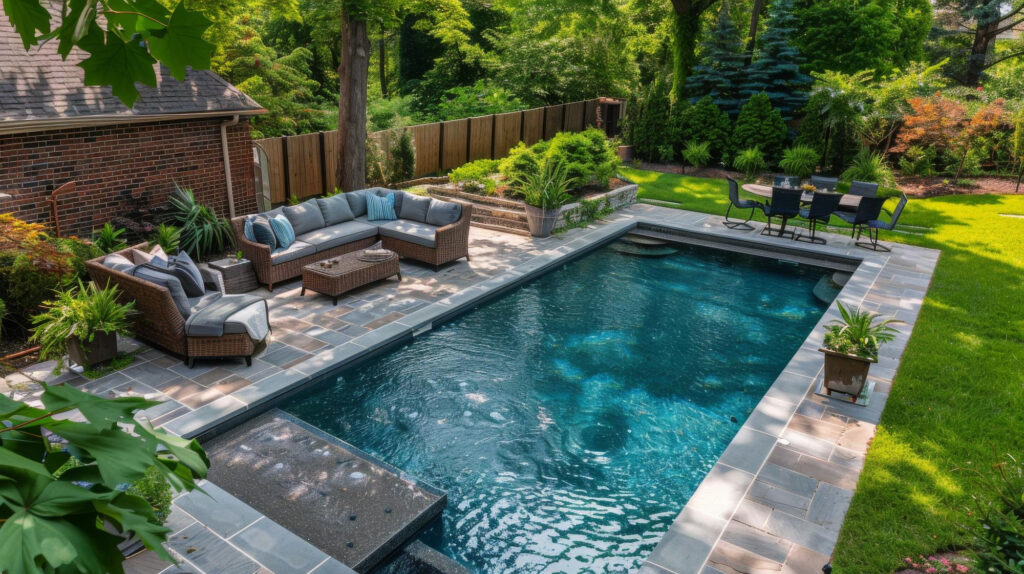
The classic rectangular pool remains one of the most popular styles across the U.S. Known for their simple geometric shapes, these pools are often chosen for their aesthetic appeal and functionality. They are typically easier to clean and maintain due to their straightforward design.
For technicians, rectangular pools often require regular cleaning, chemical balancing, and routine inspections. The flat surfaces of these pools make it easier to monitor water levels and maintain chemical levels. However, it’s crucial for technicians to educate clients about the importance of maintaining proper pH levels and chlorine content to prevent algae growth.
Additionally, rectangular pools offer opportunities for customization with features such as lighting, heating, and automatic covers. Technicians can leverage these features to upsell services, ensuring that their clients enjoy a safe and enjoyable swimming experience year-round. The predictability of maintenance on rectangular pools also allows technicians to plan their schedules effectively, ensuring consistent service delivery.
Infinity Pools
Infinity pools, also known as vanishing edge pools, have gained immense popularity due to their stunning visual effects and luxurious appeal. These pools create an illusion of water extending to the horizon, making them a favorite choice for upscale properties and resorts. However, their design comes with unique maintenance challenges.
Technicians working with infinity pools must be well-versed in examining the weir and overflow systems, which are crucial for maintaining water levels and ensuring proper circulation. This pool style also requires meticulous attention to water chemistry, as any imbalance can lead to significant aesthetic and structural issues. Technicians should also be prepared to handle the landscaping around infinity pools, as it often plays a critical role in the overall design.
Offering specialized services for infinity pools, such as advanced cleaning techniques and regular water quality testing, can set technicians apart in a competitive market. Moreover, understanding the mechanics of these pools allows technicians to provide superior customer service, reinforcing client loyalty and trust.
Above-Ground Pools
Above-ground pools are an affordable and popular option for many homeowners, particularly those who may not want to commit to an in-ground installation. These pools come in various shapes and sizes, making them highly customizable. Their maintenance needs differ considerably from in-ground pools, requiring technicians to adapt their services.
One of the primary advantages of above-ground pools is their ease of installation and disassembly. However, this flexibility means that technicians may encounter a more transient customer base, as some clients choose to set up and dismantle their pools seasonally. Therefore, offering flexible service packages tailored to seasonal maintenance can be a strategic advantage.
Technicians should also educate their clients about the importance of regular maintenance, such as checking for leaks and ensuring proper filtration. Additionally, providing guidance on winterization and reopening procedures is essential for clients who may not have the expertise to carry out these tasks. Establishing a reputation for knowledgeable and reliable service will encourage repeat business and referrals in this segment of the market.
Natural Pools
Natural pools are gaining traction among environmentally conscious homeowners looking for eco-friendly alternatives. These pools utilize biological filtration systems instead of chemicals, creating a sustainable swimming environment. The aesthetic appeal of natural pools, with their organic shapes and integration into the landscape, attracts a niche clientele.
For technicians, maintaining natural pools requires a different skill set, including knowledge of aquatic plants and their role in filtration systems. Regular monitoring of water quality is essential, as the absence of chemicals can lead to fluctuating conditions. Understanding the delicate balance between plants, fish, and water chemistry is crucial for technicians to ensure the longevity of these pools.
Providing education on natural pool ecosystems can be a unique selling point for technicians. Offering additional services such as planting and maintaining aquatic plants can enhance client satisfaction and increase revenue opportunities. As natural pools become more popular, technicians who specialize in this area will likely find themselves in high demand.
Plunge Pools
Plunge pools are compact, deep pools designed for relaxation and cooling off rather than swimming. Their growing popularity in urban environments reflects a trend towards maximizing limited outdoor space. While plunge pools are smaller, they still require regular maintenance to keep them clean and functional.
For technicians, plunge pools offer opportunities to provide specialized services, such as efficient cleaning methods and water testing. Technicians should also address client concerns about water temperature and heating options, ensuring that plunge pools remain comfortable throughout the year.
Marketing services tailored to plunge pool owners can help technicians tap into this lucrative segment. Highlighting the ease of maintenance and the benefits of having a refreshing retreat at home can attract more clients. Additionally, offering packages that include regular cleaning and seasonal preparations can foster long-term relationships with plunge pool owners.
Conclusion
Understanding the various pool styles prevalent in the U.S. is essential for technicians aiming to enhance their service offerings and adapt to changing market demands. From classic rectangular pools to modern natural designs, each pool type presents unique maintenance requirements and opportunities for growth.
As the pool maintenance industry continues to expand, technicians who equip themselves with the knowledge and skills necessary to service diverse pool styles will position themselves for success. By offering tailored services, educating clients, and staying ahead of industry trends, technicians can thrive in this dynamic market.
Investing in ongoing training and development not only enhances service capabilities but also builds trust with clients, ultimately leading to a more sustainable and profitable business. For those looking to explore opportunities in the pool industry, consider the growing demand for pool routes and the chance to own a piece of this rewarding market. To learn more about available pool routes for sale, visit [Pool Routes for Sale](https://pool-routes-for-sale.com/).