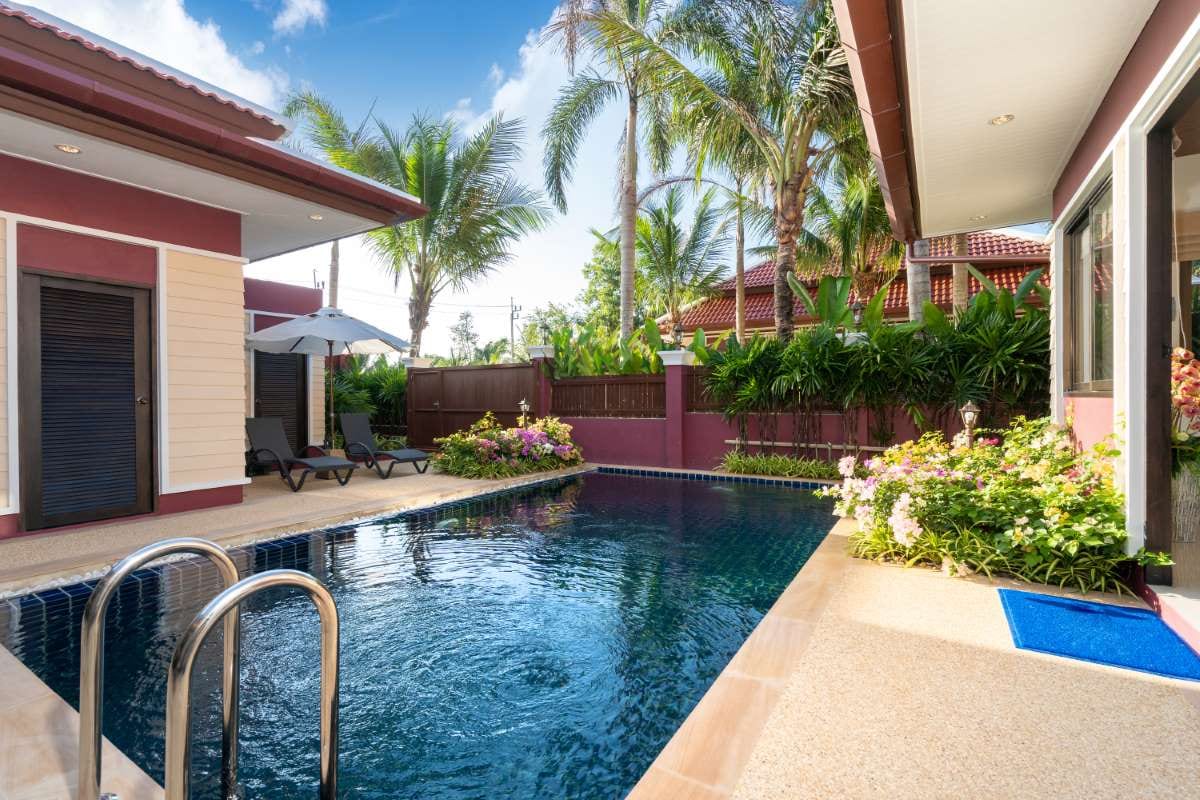
📌 Key Takeaway: Pools in newer subdivisions often run into start-up problems because construction, water chemistry, equipment setup, and maintenance systems are still getting sorted out at the same time.
Pools in newer subdivisions can look finished long before they are truly ready for smooth day-to-day use. The shell may be in place, the water may be filled, and the landscaping may look complete, but the system around the pool often needs time to settle. That is where the problems start.
The main issues usually come from rushed construction, untested soil conditions, incomplete maintenance planning, and equipment that was installed without enough room for real-world use. Homeowners see cloudy water, leaks, weak circulation, or recurring cleanup problems, and the cause is often a combination of small misses rather than one dramatic failure. A pool that looks good on opening day can still need careful startup work before it becomes reliable.
When a homeowner is financing a new business purchase or expansion, access to capital can matter just as much as the pool itself. The SBA 7(a) program continues to fund small-business acquisitions across service industries, and the SBA’s 7(a) loan page was updated October 1, 2026. That matters for operators who want to add pool routes and keep up with the demand created by new subdivisions.
Common Construction Flaws
Construction problems are one of the most common reasons pools in newer subdivisions struggle at the start. Builders are often working under tight schedules, and that pressure can lead to shortcuts in drainage, grading, waterproofing, and finish work.
Drainage is a good example. If water does not move away from the pool deck correctly, it can collect where it should not. That standing water creates maintenance problems and can contribute to algae growth around the pool area. Tile, liner, and finish defects create a different set of problems. Small installation mistakes can become leaks, uneven wear, or structural issues once the pool is in regular use.
Soil conditions matter too. Many newer subdivisions are built on land that was not previously developed for this kind of construction. That means the ground may settle differently than expected, which can affect the pool’s long-term stability. A pool may be built to code and still develop problems if the site was not properly evaluated before work began.
A real-world example makes this easy to see. A homeowner in a new subdivision may move in and notice water collecting near one side of the deck after every rain. At first, it looks like a simple landscaping issue. In practice, it can signal a deeper grading problem that also affects the pool’s edge, encourages debris buildup, and creates ongoing maintenance headaches. Catching that early saves time and money later.
The lesson is straightforward: strong construction starts with careful site work, not just a polished final appearance. When a pool is built with proper drainage, solid installation, and realistic attention to the soil underneath it, the chances of early failure drop sharply.
Lack of Maintenance Protocols
A pool also struggles when no one has a clear plan for upkeep. Older neighborhoods often develop habits over time. Newer subdivisions do not have that advantage. The pool may be new, but the maintenance routine is still vague or incomplete.
That gap shows up quickly. Without regular cleaning, chemical balancing, and inspections, a pool can shift from usable to frustrating in a short period of time. Homeowners who are new to pool ownership may not know what the water needs week to week, and if no one has taken responsibility for the system, small issues start to stack up.
This is where communication matters. A subdivision with a shared pool or a community-managed amenity needs a real maintenance plan, not a verbal understanding that someone will handle it. That plan should cover cleaning schedules, chemical checks, equipment inspection, and who responds when something goes wrong. Without that structure, everyone assumes someone else is watching the pool.
Homeowners’ associations can help, but only if they are organized enough to set expectations early. The goal is not paperwork for its own sake. It is consistency. Pools stay healthier when the same basic tasks happen on schedule instead of whenever someone notices a problem.
Water Supply and Chemical Imbalance
Water quality problems often begin before the pool is even fully in use. In some newer subdivisions, the water supply may not be fully tested or stabilized yet, and that can make the initial fill more difficult than homeowners expect. A pool needs the right water level before it can be balanced properly, so any interruption in the supply process creates a delay.
Once the pool is filled, chemistry becomes the next challenge. New water does not automatically become swim-ready. It has to be tested and adjusted so the balance supports both swimmers and equipment. If that work is rushed or skipped, the result is usually cloudy water, irritation, or conditions that make the pool harder to maintain later.
This is one of the clearest places where professional support pays off. A pool service professional can guide the initial fill, test the water, and make corrections before small issues turn into bigger ones. That early attention helps protect the surface, the equipment, and the people using the pool.
Chemical balance is not a one-time task. It is part of the startup process, and it should be treated that way. When homeowners understand that, they are less likely to see the pool as “done” before it is actually stable.
Equipment Installation Challenges
Even when the pool structure is sound, the equipment can still cause trouble. Filters, heaters, pumps, and automation systems all need to be sized and installed correctly. If they are not, the pool may run poorly from the start.
Sizing is especially important. A filtration system that cannot keep up with the pool’s volume will leave behind debris and contaminants. The water may move, but not enough to stay clear. That creates a cycle where the pool needs more attention, more chemical correction, and more service visits than it should.
Automation systems bring another layer of risk. Smart controls can make pool care easier, but only when they are installed and calibrated correctly. If sensors are off or the controls are not matched to the equipment, the system can create more confusion than convenience. Homeowners may think they have a high-tech solution, but the pool still behaves like one that was never tuned properly.
The practical answer is simple: use contractors who understand the full system, not just one part of it. A good installation connects circulation, filtration, heating, and controls into one working setup. That kind of coordination is what turns a new pool into a dependable pool.
Climate and Environmental Factors
The local environment also shapes how well a new pool performs. A subdivision in a wet climate faces different startup pressures than one in a dry climate. Rain, humidity, heat, and debris all affect how quickly problems show up.
Heavy rainfall can overwhelm weak drainage and flood the surrounding area. That makes the original grading problem worse and can create more cleanup work after every storm. In dry areas, evaporation becomes a bigger issue. Water levels can drop quickly, which means the system needs more attention and more frequent checks.
Climate also affects the surrounding landscape. Wind, dust, pollen, and storm debris all end up in the water if the pool area is not designed with them in mind. That is why covers, drainage planning, and landscaping choices matter. They are not cosmetic extras. They help the pool stay usable.
Homeowners who understand local conditions can make better choices early. A pool in a new subdivision should be designed for the weather it will actually face, not just the conditions on the day construction ends.
What New Homeowners Should Do
New homeowners can avoid many of these problems by treating pool startup as a process, not an event. The pool may be physically complete, but it still needs careful oversight before it settles into normal use.
Start with the builder and contractor. Ask direct questions about drainage, equipment sizing, finish work, and soil conditions. If something looks rushed or unfinished, address it before it becomes harder to fix. That is especially important in newer subdivisions where multiple systems are still being completed at once.
Next, set up a clear maintenance routine. Whether the pool is private or community-managed, someone needs to own the schedule for cleaning, testing, and inspections. That routine should not depend on memory. It should be written down and followed.
Professional help matters at the startup stage. Pool service experts can catch issues that homeowners miss, especially with water chemistry and equipment calibration. That early guidance reduces frustration and helps the pool reach steady operation sooner.
Homeowners should also pay attention to the surrounding environment. Drainage, shade, debris, and evaporation all affect how much work the pool will require. Small adjustments in landscaping or cover use can make daily maintenance much easier.
If you are building a pool service business, this is the kind of work that creates steady demand. New subdivisions need startup support, ongoing maintenance, and problem-solving from day one. That is one reason Pool Routes for Sale remain a strong opportunity for service professionals who want reliable local demand. If you are expanding in the Sunshine State, Pool Routes for Sale in Florida can be a practical place to start.
When operators need financing to buy more work or expand into these neighborhoods, SBA-backed lending can help support the move. The SBA’s 7(a) loan page is worth reviewing because it keeps the focus on acquisition and working capital, which fits service businesses that grow route by route.
Pools in newer subdivisions do not fail for one reason. They usually struggle because construction, water balance, equipment, and maintenance all need attention at the same time. When homeowners and service professionals handle those pieces early, the pool becomes easier to manage and far more reliable.
That is also why pool service work stays attractive. New communities keep adding pools, and every one of them needs startup care, routine service, and periodic correction. For operators, that means steady route demand. For homeowners, it means a pool that actually works the way it should.