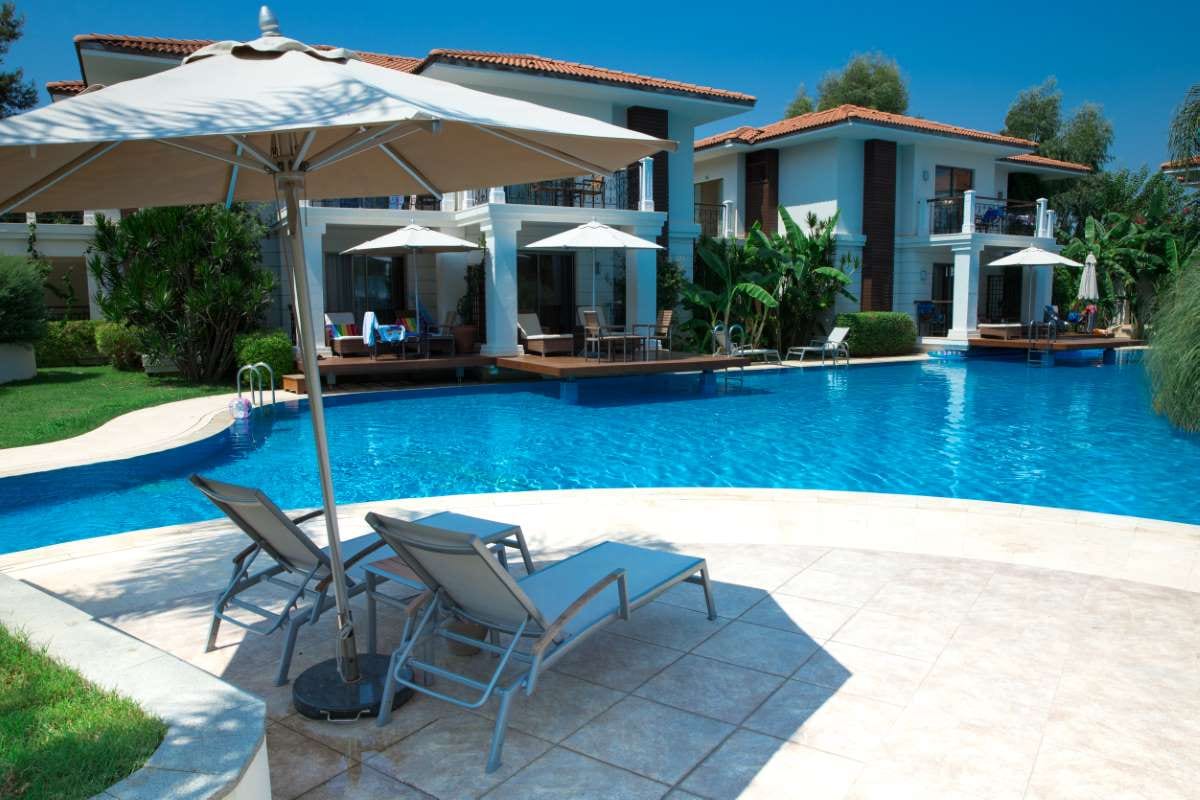
📌 Key Takeaway: Deck safety standards vary by region because climate, local code enforcement, material performance, and community priorities all shape what a safe deck looks like.
Deck safety is not a style choice. It is a response to local conditions, and those conditions change from place to place. A deck that performs well in one region can fail quickly in another if it is built for the wrong weather, the wrong load, or the wrong maintenance cycle. That is why homeowners, builders, and pool service providers need to look at deck standards as a local issue, not a one-size-fits-all rulebook.
The basic question is simple: what does this deck have to survive? In snowy regions, the answer includes heavy loads and freeze-thaw stress. In hot, sunny regions, it includes UV exposure, heat expansion, and faster wear on fasteners and surface materials. Near the coast, moisture and corrosion become part of the equation. Once you start from those practical realities, the differences in regional standards make sense.
Florida illustrates the point clearly. NOAA’s statewide cooling-degree-days data for May 2025 shows 465 CDD, which is a useful marker for how hard heat can work on outdoor materials during pool season. California shows the same pattern in a different register. NOAA’s statewide cooling-degree-days data for May 2025 shows 57 CDD, and even that lower figure still reflects enough heat to affect surface wear, sealants, and the long-term behavior of outdoor materials. You can see the source data in NOAA’s May 2025 California cooling-degree-days report. That kind of heat does not just affect comfort. It changes how fast surfaces age, how much maintenance a deck needs, and how carefully builders have to think about expansion, fading, and fastener performance. In Florida, that also means the pool area itself is part of the stress test. Decks near water face constant foot traffic, splash exposure, and intense sun, so the standards have to account for more than the structure on paper. California’s May 2025 figure makes the same point from another angle: even a lower cooling load still means enough heat to affect surface wear, sealants, and the long-term behavior of outdoor materials.
California’s May reading is especially useful because it shows how a lower number can still matter. Fifty-seven CDD does not sound dramatic until you think about what it means for dark surfaces, exposed fasteners, and boards that sit in direct sun all day. That is why deck standards in hot regions focus on more than strength alone. They also have to account for surface temperature, material movement, and long-term finish failure.
FEMA also matters here because weather and recovery demands do not stop at the deck itself. FEMA declared a chemical event in California on May 25, 2026, and property recovery work in the affected area can push more attention toward safe repairs, inspections, and outdoor restoration. The declaration is posted on FEMA’s disaster declarations page, and it is another reminder that regional standards are tied to real local conditions, not theory. A separate FEMA fire declaration in California on August 4, 2026, points the same direction: when recovery work expands, attention turns quickly to repair, inspection, and safe access around outdoor structures. Recovery events like that can also change how quickly owners look for contractors, because damaged outdoor spaces tend to move from the back burner to the top of the list. FEMA’s flood declaration in Texas on September 1, 2026, shows the same pattern in a different state: storm cleanup and property recovery quickly lift demand for local service operators.
Regional Climate and Its Impact on Deck Safety
Climate is the most visible reason deck standards differ. A deck in a cold region has to carry snow, resist ice damage, and handle repeated expansion and contraction. A deck in a wet region has to drain properly and resist rot. A deck in a hot climate has to hold up under direct sun, intense heat, and material fatigue over time. Each of those conditions affects how the structure is designed, what materials are approved, and how often the deck needs inspection.
Cold-weather regions often push builders toward stronger framing, deeper footings, and more attention to connection points. Snow loads can stress joists, posts, and railings in ways that are not obvious during the design phase. Freeze-thaw cycles also open gaps, loosen hardware, and create surface movement. That is why northern standards often focus on structural strength and moisture resistance. The deck has to stay stable through seasonal shifts, not just look solid on opening day.
Warm-weather regions create a different set of problems. In Florida and Texas, heat and sunlight can break down finishes and wear on exposed materials faster than many owners expect. California’s May 2025 figure reinforces that this is not just a Florida problem. Even at 57 CDD, outdoor materials still face enough heat to affect surface wear, sealants, and the long-term behavior of boards and hardware. The NOAA reading for May 2025 reinforces that heat is not a theoretical issue in Florida; it is part of the operating environment. Composite products, treated lumber, coatings, and hardware choices all matter because the sun does not just discolor surfaces; it changes how long the materials keep their shape and strength. Deck standards in these areas often reflect those realities by emphasizing material durability and long-term performance.
A concrete example shows how this plays out. A homeowner in a hot, sunny region may choose a deck board that looks fine in the showroom but becomes slippery, warped, or brittle after a few seasons of direct exposure. In a cooler region, the same product might hold up well because the weather does not punish it in the same way. That is why regional standards exist: they try to match the building requirements to the actual wear the deck will face.
Climate also affects maintenance expectations. A deck in a coastal or humid area often needs more frequent cleaning, inspection, and hardware replacement because moisture and salt speed up corrosion. A deck in a dry inland region may face less rot but more cracking and UV degradation. Safety standards track these differences because a structure is only safe if it can stay safe between inspections, not just at the time it is built.
Local Building Codes and Regulatory Frameworks
Building codes turn climate and risk into enforceable rules. Municipalities and counties adopt codes to set minimum safety requirements, and those codes can differ significantly from one jurisdiction to another. The International Building Code may provide a baseline, but local governments often add requirements that respond to their own weather patterns, soil conditions, inspection practices, and construction history.
That local layer matters because decks are not isolated structures. They connect to homes, patios, pool areas, and elevated outdoor spaces that people use every day. A code official in one area may focus heavily on attachment methods because older structures have had failure problems at the ledger connection. Another area may place more emphasis on railing height or guard spacing because falls have been a recurring issue. The code is not abstract. It reflects what local builders and inspectors have seen go wrong.
For homeowners and builders, the practical takeaway is straightforward: start with local code, not with assumptions. Two properties in the same state can face different rules if they sit in different cities or counties. That is especially true when a project is near a pool, on a slope, or in an area with specific environmental conditions. If the deck is part of a larger outdoor living space, the code may also interact with other requirements related to drainage, access, or electrical safety.
That is why it helps to work from the approval process backward. Before a deck is framed, the builder should know what drawings the local authority expects, what inspections are required, and which materials need to be documented. Waiting until the end of the project creates avoidable delays and costly rework. In safety work, compliance is always cheaper before construction than after an inspection failure.
This is also where professional guidance matters. Builders and property owners often know the visible parts of a deck, but local authorities know the review standards. When those two pieces are aligned early, the project moves faster and the finished deck is safer. That same principle applies across the pool service business as well: good work depends on knowing the local rules before the job starts.
Community Priorities and Cultural Influences
Regional deck standards also reflect what communities value. Some places care most about durability. Others focus on appearance, neighborhood consistency, or how outdoor spaces are used by families and guests. Those priorities shape the rules, even when the underlying safety goal stays the same.
In coastal or resort-oriented areas, design rules may place more weight on appearance and material compatibility with the surrounding environment. That can influence color choices, surface finishes, and the way structures blend into the setting. The result is not just a visual preference. In those regions, materials are often selected because they have to perform well in a salt-heavy or moisture-heavy environment while still fitting the look of the neighborhood.
In dense urban areas, the emphasis shifts. Decks and elevated platforms may serve more users, more often, and with less margin for error. That leads to stricter attention on load capacity, guardrails, access points, and slip resistance. A deck that works fine for a quiet single-family yard may not be acceptable in a setting where guests, tenants, or customers use the same space repeatedly. Safety standards adapt because the risk profile changes with the type of use.
Cultural expectations also influence enforcement. Some communities are willing to invest in higher-grade materials and more visible safety features because that matches local expectations for long-term property care. Others focus on practical, low-maintenance solutions that reduce future repairs. Neither approach is inherently right in every case, but both shape the rules builders have to follow. Understanding those priorities helps explain why two regions may regulate the same structure differently.
For pool service providers, this matters because deck standards often affect the spaces around the pool area. A deck that channels water poorly, creates slick surfaces, or obstructs access can become a service issue even if the pool itself is in good shape. Regional standards are not separate from the rest of the property. They shape the whole outdoor environment.
Technological Advancements and Their Influence
Deck standards do not stay still because materials do not stay still. As new products enter the market, code officials and builders have to decide how those products behave in real-world conditions. That process keeps standards moving, especially when a material changes the way a deck handles fire exposure, moisture, movement, or maintenance.
Composite decking is a good example. It solved some problems that traditional wood could not solve as well, but it introduced its own questions about heat retention, fastening systems, and long-term durability. Once a material becomes common enough, local codes and inspection practices have to catch up. That is why newer products often trigger updated guidance. Safety standards are not just about preventing failure. They are also about making sure the approved materials are used correctly.
Engineering tools have changed the conversation too. Better design software lets builders model load paths, connection points, and material behavior before the first board is cut. That matters in regions with unusual weather patterns or complicated terrain, because a small mistake in design can turn into a big problem in the field. Technology does not replace the code. It helps builders meet it more accurately.
The same is true for fasteners, coatings, and structural hardware. New metal alloys, improved corrosion resistance, and better water management systems give builders more options than they had in the past. But new options also create new decisions. A builder has to know whether a product is appropriate for a humid climate, a coastal area, or a deck that will see heavy traffic. Standards evolve because the materials evolve, and safety has to keep pace.
This is one reason regional variation persists. A jurisdiction that sees frequent weather extremes may adopt new guidance faster than one with mild conditions. Another area may wait until a product has a longer track record. Both approaches are rational. They simply reflect different tolerance levels for risk and different local experiences with failure.
Environmental Considerations and Sustainability
Environmental concerns now shape deck standards more directly than they once did. Communities want structures that last, use fewer resources, and create less long-term waste. That affects material selection, drainage planning, and the way decks are built near sensitive landscapes or flood-prone areas.
Sustainability starts with the material itself. Some regions encourage recycled content or responsibly sourced wood because the environmental impact of the build matters as much as the finished appearance. In those places, the code may not only ask whether a deck is safe today, but whether it remains a responsible choice over the life of the structure. That pushes builders to think beyond first cost and toward total lifecycle performance.
Flood-prone areas have their own standards. Elevated designs can reduce water damage, protect structural members, and improve recovery after storms. Drainage becomes part of safety because standing water can weaken the deck, stain the surface, and create slip hazards. In those settings, the code is doing two jobs at once: reducing immediate risk and improving resilience over time.
Environmental standards also affect maintenance planning. A deck in a wet climate may need better airflow underneath it so moisture does not stay trapped. A deck in a dry region may need finishes that reduce cracking and surface breakdown under harsh sun. Each rule exists because the environment is the real stress test. Sustainability and safety are linked: when a deck lasts longer with less repair, it is usually safer too.
California’s May 2025 cooling-degree-days report is a good reminder that sustainability is not only about forests and floodplains. Heat exposure also shapes maintenance cycles, finish life, and the pace of material degradation. In a state with 57 CDD in May, the environmental load is still high enough to affect how long an outdoor surface stays safe and functional.
This is where local rules can feel stricter than expected, but the reason is practical. A region that has experienced repeated weather damage is not being arbitrary when it asks for better drainage or stronger materials. It is reacting to what the environment has already proven. FEMA’s August 4, 2026 fire declaration in California fits that same pattern: when property damage and recovery demands rise, outdoor safety details matter even more.
Best Practices for Homeowners and Builders
The safest deck projects start with local information and end with careful follow-through. Homeowners and builders should treat compliance as part of the build, not as a final paperwork step. That means checking local requirements early, selecting materials with the local climate in mind, and planning for inspection from the beginning.
The first step is to review the local code set before any work begins. That includes permit requirements, structural rules, railing standards, and any location-specific requirements tied to weather or site conditions. If the deck will sit near a pool, elevation, slope, or drainage path, those factors should be identified early. A deck that looks simple on paper can quickly become more complex once the property layout is considered.
Material choice comes next. A strong design can still fail if the wrong product is installed in the wrong region. Wood, composite, hardware, and finishes all perform differently depending on climate. A deck in a hot region needs protection from sun and heat. A deck in a wet region needs moisture management. A deck in a cold region needs structural resilience through seasonal movement. Matching material to environment is one of the most important safety decisions in the project.
Safety features should be built in, not added late. Railings, non-slip surfaces, proper load support, and secure connections are part of the structure itself. Builders should not treat those items as upgrades. They are what make the deck usable in the first place. If the structure is elevated or heavily used, those details matter even more because the margin for error is smaller.
Ongoing awareness matters too. Building codes change, inspection practices change, and material guidance changes. Homeowners who own or plan to buy a property with a deck should ask how often the structure should be inspected and what signs of wear deserve attention. Builders who stay current reduce callbacks, protect their reputation, and deliver safer work. The deck may be a finished product, but safety is a maintenance habit.
The Future of Deck Safety Standards
Deck standards will keep changing because the forces behind them keep changing. Climate patterns are more demanding in many regions, materials continue to evolve, and communities continue to expect outdoor spaces that are both attractive and safe. The direction of travel is clear: better durability, better resilience, and more precise local guidance.
That does not mean standards will become identical everywhere. Regional variation will remain because regional risk remains. A snow-heavy area will still need different design priorities than a dry, hot one. A coastal jurisdiction will still care about corrosion and moisture in ways that inland regions do not. Local code will continue to reflect local conditions, and that is the right approach.
For homeowners, the long-term lesson is simple. A deck is not safe because it resembles another deck somewhere else. It is safe because it is built for the place where it sits. For builders, the lesson is the same: good work starts with the local environment, the local code, and the local use pattern. That is how you build something that lasts.
For pool service providers and property owners, those same principles apply to the broader outdoor space. Decks, patios, and pool areas all work together, and the weakest part of the system sets the standard for the rest. A region that demands stronger safety rules is not creating unnecessary friction. It is recognizing the conditions that shape real performance.
If you’re evaluating a pool route or planning around local property requirements, reach out to Superior Pool Routes. We help buyers understand the operating realities behind the business so they can move forward with clarity, confidence, and the right expectations.