📌 Key Takeaway: Randall County, Texas rewards pool routes with tight service density, strong route management, and steady customer communication, while scattered scheduling and poor planning quickly eat into profit.
Randall County sits in a part of Texas where pool service has to be practical. Hot summers keep pools active for long stretches of the year, and that puts a premium on routes that are organized, efficient, and easy to service. Texas electricity costs also matter on the back end: the EIA put residential retail power at 16.39¢/kWh in March 2026, up 0.98¢ from the prior month, according to the EIA monthly electricity data. The difference between a strong pool route and a weak one usually comes down to how well the operator handles distance, timing, and customer expectations. That is the real decision point for buyers looking at Randall County.
Income matters too, because pool service is a recurring household expense. Texas median household income was $78,476 in the Census ACS 2024, according to the Census profile for Texas, dated December 31, 2024. That supports a customer base that can sustain regular service when the route is organized well and the value is clear.
For an operator evaluating pool routes here, the question is not whether people need service. They do. The question is whether the route is built in a way that supports repeatable work. A route that keeps stops close together and service days predictable is easier to grow and easier to protect. A route that spreads too far across the county costs more in fuel, more in labor, and more in time.
Understanding the Geographic Landscape
Geography shapes everything about a pool route in Randall County. The county includes both denser residential pockets and more spread-out areas, so the quality of a route depends on how much time it takes to move from stop to stop. In a tighter area, one technician can complete more visits with less driving. In a scattered area, the same number of accounts can take far longer to service and produce less margin.
That matters because pool service is a route business first and a cleaning business second. The best routes reduce windshield time and keep the workday predictable. When stops are packed together, the operator can absorb heat, weather changes, and the occasional delay without the whole day falling apart. When stops are far apart, a single disruption creates a ripple effect across the schedule.
Randall County’s climate also supports pool service. Long, hot stretches increase the need for regular upkeep, water balance, and equipment checks. Pools in this region do not sit idle for much of the year, so customers value consistency. If a route is designed around the county’s weather pattern and service demand, it can hold up well over time.
Texas income levels help explain why that demand can stay steady. With median household income at $78,476 in the Census ACS 2024, households have room to pay for recurring service when they see real value. The Census profile for Texas, dated December 31, 2024, puts that figure in plain view, and it matters because service businesses depend on repeat purchases, not one-time jobs. In practical terms, that means reliability and communication matter as much as cleaning skill. If the customer sees consistency, the route is easier to keep full.
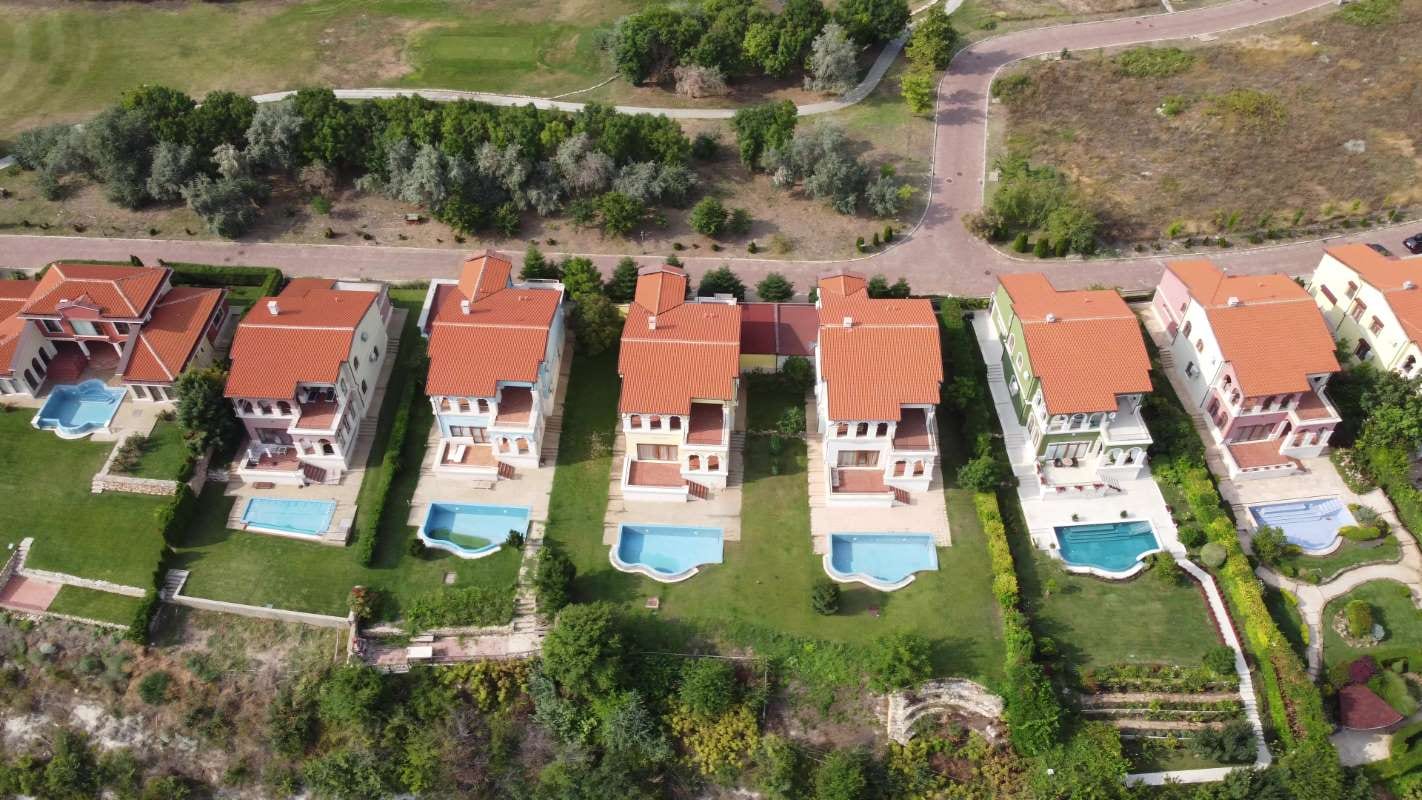
A real-world example makes that point clear. Two routes can both have the same number of accounts, but the one built around clustered neighborhoods in the same service zone will usually outperform the one that jumps between isolated stops. The first route leaves room for better scheduling, fewer fuel stops, and more flexibility when a filter needs extra attention. The second route may look similar on paper but can lose value fast once drive time is counted. That is why geography is not a side issue in Randall County. It is central to route quality.
Assessing Customer Base Stability
Customer stability is one of the clearest markers of a good pool route. A route with dependable customers produces predictable billing, easier planning, and less churn. For a buyer, that stability matters because it lowers the risk of starting from scratch and helps the business generate revenue right away.
In Randall County, long-term service relationships often matter more than flashy marketing. Homeowners want a technician who shows up, does the work correctly, and communicates clearly when something changes. When that trust is in place, customers tend to stay. That gives the operator room to focus on service quality instead of constantly replacing lost accounts.
Income levels also help explain why the market can support recurring service. Texas median household income was $78,476 in the Census ACS 2024, which points to a customer base that can absorb a regular service expense when the route delivers clear value. The Census profile for Texas, dated December 31, 2024, reinforces that point. It matters because service businesses depend on repeat purchases, not one-time jobs. In practical terms, that means reliability and communication matter as much as cleaning skill. If the customer sees consistency, the route is easier to keep full.
This is where Superior Pool Routes has an advantage. Since 2004, the company has built pool routes with a focus on practical ownership, training, and support. Buyers are not left guessing how to handle the work. They get structure, which helps protect customer confidence from the start.
When reviewing a pool route, look at how the customer relationship is likely to function in the real world. Are the service expectations clear? Are the visits scheduled in a way customers can rely on? Does the route depend on a few high-risk accounts, or is the work spread across a broader set of stops? A route that is easy for customers to understand is easier to keep.
Customer stability also comes from communication. Small issues become big problems when no one explains what happened. A missed visit, a chemical adjustment, or a repair recommendation handled promptly usually keeps the relationship intact. In a county like Randall, where homeowners value dependable service, that kind of communication protects the route’s long-term value.
Operational Efficiency and Management Practices
Operational efficiency is what turns a decent route into a profitable one. The same pool accounts can produce very different results depending on how they are scheduled, serviced, and maintained. If the route is efficient, the owner spends more time serving pools and less time solving avoidable problems. If it is inefficient, the day becomes a series of delays and extra costs.
In Randall County, the most efficient routes are the ones built around sensible geography and disciplined service habits. That means grouping stops logically, keeping equipment in working order, and using software or a clear scheduling system to reduce wasted motion. Fuel costs, labor time, and vehicle wear all matter. Each one cuts into margin when the route is poorly organized. Higher electricity costs also show up in the broader operating picture, especially when equipment runs harder in long Texas heat.
Management practices matter just as much. A route owner who tracks service dates, chemical usage, and recurring maintenance needs has a better chance of keeping customers satisfied. Pool service is hands-on work, but it also depends on clean records and reliable follow-through. If a filter needs attention every few weeks, the operator needs to know that before the customer has to ask.
Training is part of efficiency too. Superior Pool Routes includes training with every route purchase, which helps buyers step into the work with a clearer plan. That matters for first-time owners and for existing pool companies expanding into Randall County. Good training shortens the learning curve and reduces expensive mistakes in the first months of ownership.
A route with strong management habits can also handle growth better. When the owner knows how to organize stops, communicate with customers, and maintain service quality, adding more accounts becomes manageable. Without that structure, growth only magnifies the problems already in the route.
Market Trends and Opportunities
Market conditions in Randall County support pool service, but the best opportunities still come from disciplined execution. New housing, shifting neighborhoods, and continued demand for outdoor living all create openings for operators who can serve efficiently. The key is not chasing every trend. It is identifying which trends actually help the route function better.
One useful trend is the growing interest in lower-maintenance and more efficient pool care. Homeowners want service that keeps their pools clean without creating extra hassle. That favors operators who are organized, responsive, and able to explain what they are doing in plain language. It also creates room for technicians who understand modern equipment and energy-aware service practices.
Texas weather keeps the market active, but it also puts pressure on service quality. Summer heat means algae prevention, water balance, and equipment checks cannot be treated casually. When the weather pushes demand higher, the best routes are the ones already built to handle the workload. That gives buyers a reason to focus on route structure instead of hoping volume alone will carry the business.
Texas income data reinforces that point. The Census profile for Texas shows median household income at $78,476 in the Census ACS 2024, dated December 31, 2024, which supports recurring service when the route is organized and the customer sees value. It is a simple market truth: households can sustain service longer when the operator is dependable and the schedule is clear.
In Randall County, the opportunity is strongest for operators who can serve with consistency. A route that fits local demand, keeps service days organized, and avoids long dead time between stops can produce steady results even when the market shifts. That is the kind of growth that lasts.
Financial Considerations and Investment Potential
The financial side of a pool route should be judged with discipline. Buyers need to know what the route brings in, what it costs to run, and how much time the owner actually spends delivering the service. Good revenue numbers matter, but so does the route’s ability to hold those numbers without constant repairs, rescheduling, or travel waste.
That is why route pricing should always be tied to the number of accounts and the monthly billing. Superior Pool Routes uses account-based multipliers: 40+ accounts at 6×, 30–39 at 6.5×, and 20–29 at 7× monthly billing. Industry standard is 12×. That gap matters because it gives buyers a clearer path to ownership without paying inflated broker pricing.
For Randall County buyers, financing can make the transition easier, especially when the route is structured well and the service area is manageable. A route that is simple to operate has a better chance of supporting the purchase cost, the vehicle expense, and the operating budget. The goal is not to buy the biggest route possible. The goal is to buy a route that can be run efficiently from day one.
Financial review should also include seasonality and customer consistency. In Texas, pool service demand stays relevant for long periods, but a buyer still needs to understand how the route behaves month to month. A route with stable billing and sensible geography is easier to project and easier to scale. That makes it a better long-term asset.
Best Practices for Success in Randall County
Success in Randall County comes down to execution. Strong routes are built on reliability, communication, and clean operating habits. Customers want to know when service will happen, what was done, and whether anything needs attention. When those basics are handled well, retention improves and the route becomes easier to manage.
The first best practice is to keep service standards high. A pool route loses value fast when visits slip, notes are incomplete, or equipment issues go unreported. Customers notice patterns, especially when the weather is hot and pool use is frequent. Reliable service builds trust, and trust keeps accounts in place.
The second is to stay in contact with customers before small issues turn into complaints. If a pool needs extra attention after a storm or a chemical adjustment after heavy use, the customer should hear about it quickly. Clear communication reduces friction and shows that the operator is paying attention.
The third is to learn the local business environment. Networking with other pool service providers, local businesses, and community contacts helps an operator understand which neighborhoods are growing, which service expectations are common, and where the strongest opportunities may be. That kind of knowledge helps a route owner make smarter decisions about hiring, scheduling, and expansion.
The fourth is to use tools that support the route instead of complicating it. Route management software, billing systems, and simple tracking methods all help the operator stay organized. Superior Pool Routes also offers EZ Pool Biller, which gives owners a practical way to keep billing and route management under control. In a business where missed details turn into missed revenue, organization is a profit tool.
Finally, owners should think long term. A pool route in Randall County is not just a set of weekly visits. It is a service business that depends on consistency, local knowledge, and repeat performance. The operators who treat it that way are the ones who build value over time.
Route Density Matters More Than Hype
The most important lesson in Randall County is simple: dense, manageable routes win. A route does not become valuable because it sounds impressive. It becomes valuable because it can be serviced efficiently, retained reliably, and expanded without creating chaos. That is why buyers should pay close attention to how the route is laid out and how much time the day actually requires.
Route density also helps protect the business from outside pressure. Fuel prices rise. Weather disrupts schedules. Equipment fails. A route with tight geography and clear service patterns absorbs those shocks better than a scattered one. That resilience is part of what makes pool routes steady businesses.
Operators who want a stronger foundation should also think about support and process. How it works matters because the buying process, training, and route setup all shape the first months of ownership. Pool route training matters because new owners need a system they can follow. And the 60-day warranty adds another layer of confidence by giving buyers replacement support if an account issue appears early.
Randall County offers real opportunity for buyers who understand the business as a route operation, not just a service job. The best pool routes here are the ones that combine local demand, efficient geography, and dependable service habits. That is what makes a route hold its value and perform over time.
The Bottom Line for Buyers
Randall County rewards operators who think clearly and run efficiently. The climate supports pool service, the market can support recurring work, and the right route structure can turn that demand into steady income. What separates a strong pool route from a weak one is not luck. It is organization, density, and the ability to keep customers satisfied.
For buyers comparing pool routes in Texas, Randall County is worth a close look because it favors practical operators. If the route is compact, well managed, and priced sensibly, it can provide the kind of steady business that pool owners want. That is the strength of this market: it rewards consistency, and consistency is what makes a route last.
Related: Texas