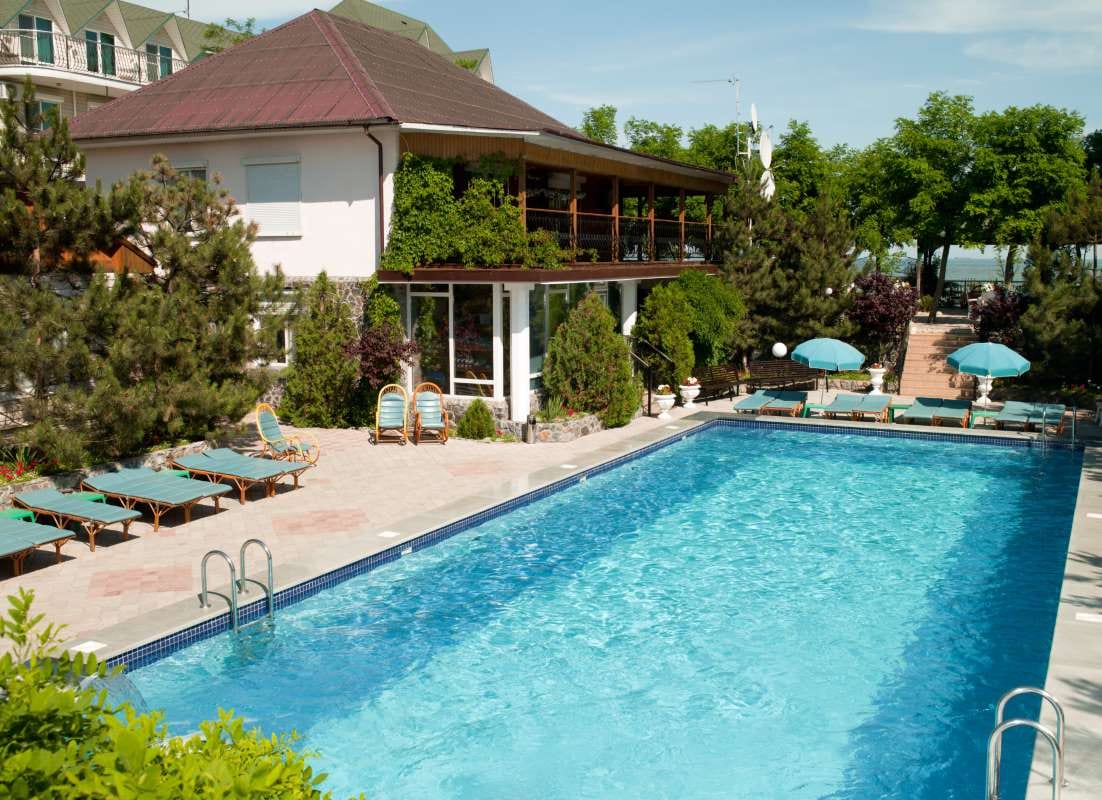
📌 Key Takeaway: Consumer preferences in the pool industry center on design, convenience, communication, and sustainability, and businesses that align with those priorities win more work and retain customers longer.
Consumer preferences shape every part of the pool business, from the features buyers want to the service experience they expect after installation. A pool is a major purchase, but the decision rarely comes down to one factor. Homeowners weigh appearance, technology, operating costs, water use, and how easy it will be to maintain the pool over time. That is why pool companies and route operators need more than technical skill. They need a clear read on what customers value and how those expectations change the way service gets delivered.
For pool service companies, this matters in practical ways. A customer who wants a custom look may also expect cleaner lines, better communication, and faster response times. A homeowner who cares about efficiency may ask about pumps, covers, or chemical use before they ever ask about price. Superior Pool Routes helps operators build pool routes with these realities in mind, because a strong route is not only about accounts on paper. It is about serving a customer base that expects reliable, consistent service.
Introduction
Consumer preferences are not a side note in the pool industry. They drive buying decisions, influence service expectations, and shape how companies present themselves in the market. Homeowners want pools that match the way they live. Some want a space for family gatherings. Others want a clean, low-maintenance feature that adds value to the property. Many want both, which is why the market rewards businesses that understand the full picture.
The strongest pool businesses do not guess at what customers want. They pay attention to how people talk about design, maintenance, and cost. They notice when a homeowner asks about automation before asking about shape. They hear when a customer asks whether equipment will reduce energy use. They see the difference between a buyer who wants a basic swimming pool and one who wants a polished outdoor living space. Those preferences are not abstract. They affect sales, retention, and long-term profitability.
A concrete example makes the point clear. A homeowner planning a backyard remodel may be choosing between a standard pool setup and a more customized design with upgraded lighting, an automatic cleaner, and an energy-efficient pump. That customer is not just buying water and concrete. They are buying convenience, appearance, and lower effort over time. A service company that understands that mindset can speak to the real concern behind the purchase: not just what the pool looks like on day one, but how it will perform month after month. That is the kind of insight that strengthens a business from the first visit onward.
Financing also plays a role in how these preferences turn into actual purchases. The SBA 7(a) loan program, updated on July 1, 2026, continues to support small-business acquisitions across service industries. For operators expanding into new pool routes or equipment-driven service work, that access to capital can make it easier to match what customers want with the systems needed to deliver it.
Trends in Pool Design and Functionality
Pool design has become more personal, more technical, and more tied to day-to-day usability. Customers still care about the basics, but they now expect the pool to fit the property and the lifestyle around it. The pool is part of the home’s outdoor identity, so appearance matters. At the same time, functionality matters just as much because no homeowner wants a beautiful pool that is difficult or expensive to maintain.
Customization sits at the center of this trend. Buyers want choices in shape, size, surface finish, tile, lighting, and layout. They want a pool that feels designed for their property rather than copied from a generic template. That preference creates room for more tailored sales conversations and more specialized service planning. The more a pool reflects the homeowner’s taste, the more likely the owner is to value quality workmanship and ongoing care.
Technology is another major force. Automated cleaning systems, app-connected controls, smart heating, and programmable lighting have moved from luxury features to common expectations in many markets. Customers like having more control with less manual effort. They want to know they can adjust settings, monitor performance, or spot problems earlier. That shift changes what customers ask during the buying process and what they expect after installation. It also raises the standard for service companies, which must understand not only how the equipment works, but how the homeowner uses it.
Eco-friendly features also influence design choices. Energy-efficient pumps, solar heating, and other lower-impact systems appeal to buyers who want to reduce operating costs and limit waste. That preference is not only about environmental values. It is also about ownership experience. People want pools that are easier to run, easier to explain, and easier to live with. A system that uses less energy or reduces waste feels like a smarter long-term investment.
These design trends point in the same direction: customers want more control, more efficiency, and more personal fit. For pool businesses, that means the sales message has to go beyond surface appeal. It should explain how the pool works, how it supports the homeowner’s routine, and how it fits the property’s long-term needs. In markets where pool ownership is competitive, that kind of clarity creates a real advantage.
Service Expectations in Pool Maintenance
Once a pool is installed, customer expectations shift from appearance to performance. Maintenance is where trust is either built or lost. A homeowner may forgive a delayed project once. They are far less likely to forgive inconsistent service, poor communication, or a technician who cannot explain what needs attention. That is why maintenance standards matter as much as the initial sale.
Quality of service is the first benchmark. Customers want technicians who know the work, spot problems early, and handle issues without guesswork. They expect more than a quick clean and a chemical check. They want service that protects the pool, keeps the equipment in working order, and gives them confidence that the property is being handled correctly. A technician who can explain what was done and why creates more trust than one who simply shows up and leaves.
Convenience matters just as much. Pool owners are busy, and they prefer service that fits into their schedule without creating extra work. Flexible routing, predictable visits, online communication, and clear pricing all make the experience easier for the customer. When a business makes the process smooth, it reduces friction and improves retention. That is one reason structured operations matter so much in pool routes. Efficient systems make it easier to serve more accounts without sacrificing quality.
Communication is the part that often separates average service from strong service. Customers want reminders, updates, and quick responses when something changes. They want to know if a service window shifts, if equipment needs attention, or if weather has affected a visit. Good communication prevents small issues from becoming complaints. It also helps customers feel informed rather than ignored. That feeling builds loyalty because it signals respect.
These expectations are not complicated, but they are demanding. Pool maintenance companies have to be consistent, clear, and organized. The more service becomes routine and reliable, the more customers trust the company behind it. That is why route operators who build good habits early tend to keep cleaner books and stronger relationships over time.
The Importance of Sustainability in Consumer Choices
Sustainability now plays a larger role in pool decisions than it did in the past. Customers are thinking about energy use, water use, and the long-term impact of the equipment they buy. They may not frame it in technical language, but they do notice when one option seems wasteful and another seems efficient. That concern influences both the purchase and the ongoing service relationship.
Eco-friendly products and equipment are part of that shift. Homeowners are more open to options that reduce waste or lower utility use. Energy-efficient pumps, better filtration, and smarter controls all fit into that mindset. These features appeal to customers because they feel practical, not just environmentally responsible. A homeowner who spends less to run the pool sees a direct benefit. That makes sustainability easier to sell because it connects values with savings.
Water conservation is another major factor. Pool owners understand that water is not unlimited, and many prefer systems that reduce evaporation and cut unnecessary loss. Automatic covers are a good example because they help protect water while also keeping debris out and reducing maintenance time. That kind of feature speaks to multiple concerns at once: efficiency, convenience, and cost control. The strongest products are usually the ones that solve more than one problem.
Community responsibility also matters. Customers notice when a company takes environmental concerns seriously. They respond to businesses that reflect local values and present themselves as responsible operators. That does not require a flashy campaign. It requires visible habits: using efficient equipment, recommending sensible maintenance practices, and speaking clearly about how to reduce waste where possible. Those signals matter because they tell the customer the company is thinking beyond the immediate sale.
Sustainability is not separate from business performance. It is part of the same conversation about value. When a pool company helps customers lower energy use, conserve water, and make better equipment choices, it creates a better ownership experience. That support strengthens trust and makes the company more useful over time.
Leveraging Insights into Consumer Preferences for Business Strategy
Understanding consumer preferences only matters if a business uses that knowledge in day-to-day decisions. The best pool companies do not treat customer insight as background information. They turn it into marketing, training, and service design. That is where preference data becomes business strategy.
Targeted marketing is one of the most direct applications. Different customers respond to different messages. A homeowner who cares about design wants to see customization, finish options, and visual appeal. A customer focused on costs wants to hear about efficiency and lower operating effort. A business that tailors its message to the customer’s priority will get better engagement than one that uses the same pitch for everyone. The message does not need to be complicated. It needs to match the reason the customer is shopping in the first place.
Training is equally important. A route operator or technician who understands current customer expectations can answer questions with confidence. That matters in the field, where the customer often makes judgments based on one conversation. Superior Pool Routes includes training because a route is easier to grow when the operator knows how to explain service, manage expectations, and communicate clearly. Technical work and customer awareness go together. One without the other leaves money on the table.
Service adaptation closes the loop. Customer feedback should shape how a company schedules visits, handles equipment recommendations, and responds to recurring issues. If customers repeatedly ask for more notice before service, the business should tighten communication. If they care about lower energy use, the business should be ready to discuss more efficient equipment. If they want less disruption, the company should build cleaner routing and more predictable timing. This is where good operations create a better customer experience and a stronger route at the same time.
The lesson is simple: preference data is only useful when it changes behavior. Businesses that listen and adjust will keep more customers and build better reputations. Businesses that ignore those signals will spend more time replacing lost work. Pool routes are built on consistency, and consistency depends on understanding what customers want before they start complaining.
Consumer preferences in the pool industry are shaped by design, convenience, sustainability, and service quality. Those priorities do not change the fundamentals of the business. They sharpen them. The companies that succeed are the ones that make the pool easier to own, easier to enjoy, and easier to trust. That is why attention to customer preferences remains a practical advantage, not just a marketing idea.
For route operators and pool businesses, the opportunity is straightforward. Learn what customers value, build systems around those priorities, and deliver service that feels dependable from the first visit forward. Pool ownership may begin with a product, but long-term success depends on the experience around it. Businesses that understand that distinction build stronger routes, steadier revenue, and better customer relationships over time.
Related: Superior Pool Routes
Related: Superior Pool Routes
Related: Superior Pool Routes
Related: Superior Pool Routes
Related: Superior Pool Routes