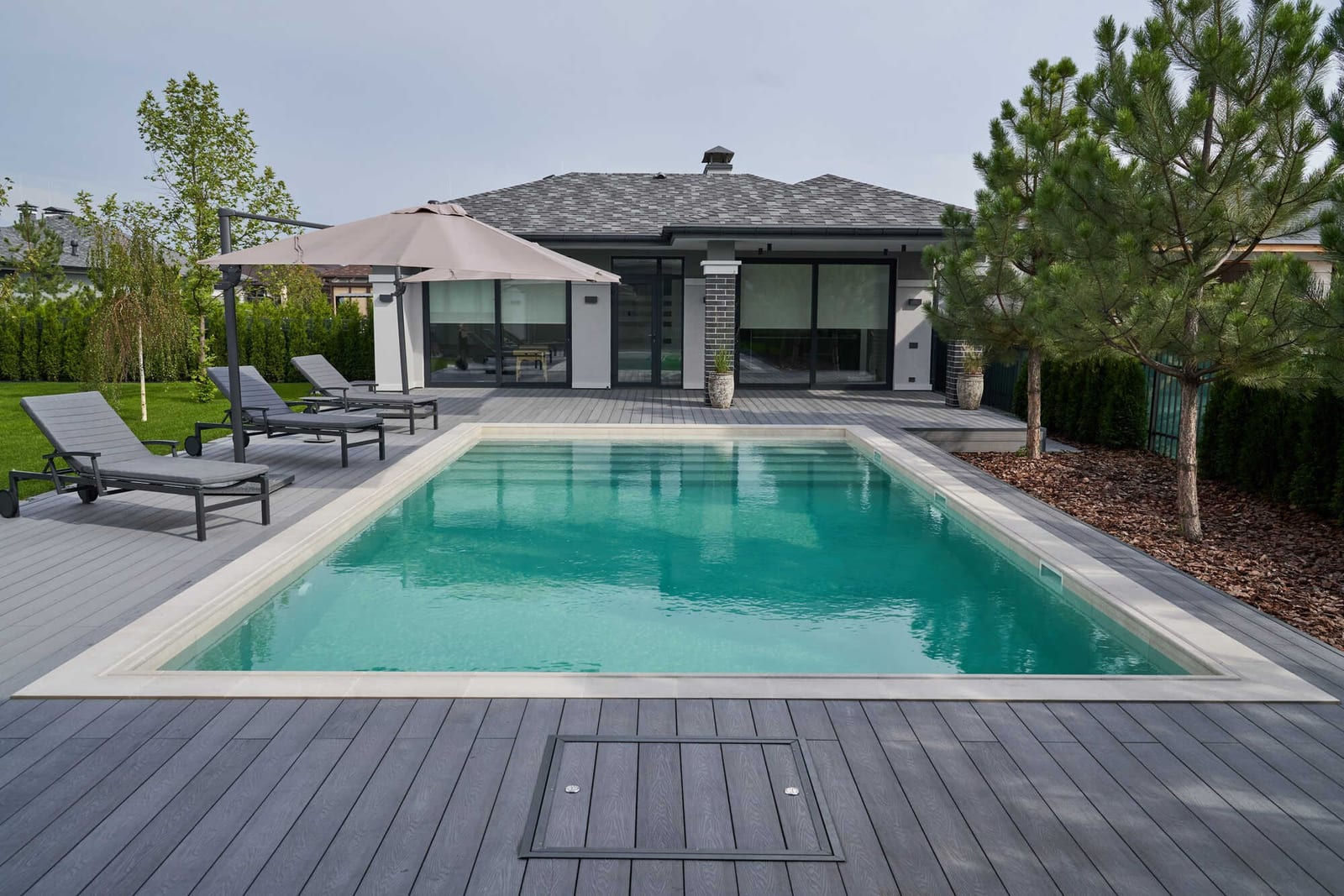
📌 Key Takeaway: Switching to eco-friendly algaecides and natural prevention strategies lets pool service business owners deliver cleaner, safer water while differentiating their services in a market that increasingly values environmental responsibility.
Why Algae Control Matters for Your Business Bottom Line
Algae outbreaks are one of the leading reasons clients call in emergency service visits or cancel contracts. A pool that turns green between scheduled stops costs you time, materials, and credibility. Understanding what drives algae growth — and stopping it before it starts — is one of the highest-leverage skills a pool technician can develop.
Algae thrive when three conditions align: warm water temperatures, unbalanced chemistry, and poor circulation. Phosphate buildup from fertilizer runoff, sunscreen residue, and leaf debris feeds green, yellow, and black algae species. Once a bloom establishes, conventional treatment often requires large chlorine shock doses that stress plaster surfaces and frustrate clients who want to use their pool immediately.
For route-based technicians servicing 30 to 80 stops per week, the ability to prevent algae naturally — and to educate clients on why it works — is a genuine competitive advantage. In Florida, that skill also supports a stronger labor story. The BLS pool and facility maintenance workers wage data for Florida, dated May 1, 2025, shows a mean annual wage of $48,750, which reinforces that qualified service work has real economic value.
Understanding Eco-Friendly Algaecide Options
Eco-friendly algaecides are not a single product category. They span several active mechanisms, and knowing which to reach for in a given situation will sharpen your results.
Hydrogen Peroxide (H2O2): Available in pool-grade concentrations, hydrogen peroxide oxidizes algae cell walls without leaving chlorine byproducts. It degrades quickly into water and oxygen, making it safe for clients with sensitive skin or pets. Use it as a shock alternative during mild outbreaks or as a supplemental oxidizer during routine service.
Boric Acid: A naturally occurring mineral compound, boric acid disrupts algae metabolism at low concentrations (30–50 ppm in pool water). It also provides a secondary benefit of pH buffering, reducing the acid demand that drives up supply costs. It is non-volatile and does not burn off, so a single application has lasting effect.
Copper-Based Ionizers: Copper ions inhibit algae at concentrations well below EPA thresholds. Ionizer systems release copper and silver ions electrolytically, cutting chlorine demand by up to 80 percent in many installations. For routes with clients interested in lower-chlorine programs, recommending an ionizer upgrade can be a meaningful upsell.
Barley Straw Extract: Decomposing barley straw releases peroxides and phenolic compounds that suppress algae germination rather than killing established blooms. Barley straw extract (liquid concentrate) is easier to dose than raw bales and is well-suited to preventive maintenance programs. Add it at the start of the warm season and replenish monthly.
These products work best when they are part of a system, not a standalone fix. When technicians explain that lower-toxicity treatment still depends on circulation and balance, clients are more likely to accept the full prevention plan.
Natural Prevention Strategies That Reduce Treatment Costs
The most cost-effective algae control happens before a bloom starts. Building prevention into your service protocol reduces the volume of algaecide — eco-friendly or otherwise — that you need to apply.
Phosphate Removal: Test phosphate levels quarterly and treat with a lanthanum-based phosphate remover when levels exceed 200 ppb. Starving algae of its primary nutrient is more reliable than chasing outbreaks after the fact. Many technicians who add phosphate testing to their routes find that algae call-backs drop significantly within one season.
Circulation Optimization: Algae die when water moves. Confirm that return jets are angled to create a rotating flow pattern and that dead spots behind steps and in shallow benches are addressed. Recommend that clients run their pumps a minimum of eight hours per day during summer and consider variable-speed pump upgrades for clients with older single-speed equipment.
Weekly Brushing: Algae spores attach to rough plaster, grout lines, and steps before they become visible. Brushing disrupts these early colonies and exposes them to sanitizer. Make wall-and-floor brushing a non-negotiable part of every stop, not an optional add-on.
Water Balance Discipline: Maintain pH between 7.2 and 7.6. At pH above 7.8, chlorine efficiency drops sharply, and algae take hold faster. Alkalinity between 80 and 120 ppm buffers against pH swings caused by bather load and organic matter. Consistent chemistry is the single most reliable algae deterrent available.
These habits do more than keep water clear. They create a service standard clients can see, and visible consistency is what keeps route work steady.
Building an Eco-Friendly Service Tier
Pool service business owners looking to grow their routes can differentiate by offering a dedicated eco-friendly maintenance tier. Clients with young children, pets, or landscaping adjacent to their pools are often willing to pay a premium for lower-chemical programs.
A tiered offering might include: phosphate testing and removal, barley straw extract monthly applications, ionizer system maintenance, and hydrogen peroxide shock in place of traditional chlorine shock. Document the chemistry results at each visit and share a simple monthly report with the client. Tangible data builds retention.
That same professionalism helps when you are hiring or expanding. In Florida, the May 1, 2025 BLS wage data for pool and facility maintenance workers puts the work in clear economic terms, which makes it easier to justify training, accountability, and route growth as real business investments rather than discretionary expenses.
When you are ready to scale, acquiring additional accounts through a structured route purchase is one of the fastest ways to grow. Pool routes for sale through Superior Pool Routes come with established client bases in Florida, Texas, Nevada, Arizona, and California — giving you immediate revenue without the slow build of cold canvassing. For broader context on running a successful route business, the Pool Route Insights blog covers chemistry, operations, and growth strategy in depth.
Training Your Team on Eco-Friendly Protocols
If you employ technicians or plan to hire as your route grows, standardizing eco-friendly protocols requires deliberate training. A technician who understands why phosphate removal prevents blooms will execute the step consistently. One who sees it as an upsell add-on will skip it under time pressure.
Build a simple field checklist that includes phosphate test, brushing confirmation, circulation check, and barley extract top-off. Review results during weekly team meetings and track algae callback rates per technician. Accountability drives improvement, and lower callback rates directly improve your profit margin.
Training also reduces the gap between chemistry knowledge and customer-facing communication. When your team can explain why a lower-toxicity treatment still needs proper circulation and brushing, the service feels deliberate instead of experimental.
What to Say to Clients
Clients do not buy chemistry — they buy outcomes. Frame eco-friendly algaecide programs around what they care about: kids swimming the same day, pets that can drink from the spillway without concern, and plaster that stays clean longer because it is not being repeatedly shocked.
Keep the explanation simple: "We use lower-toxicity products that break down quickly and don't leave residue. Your pool stays cleaner between visits, and you don't have to wait 24 hours after a treatment." That single sentence has closed more eco-friendly upgrades than any technical explanation.
If clients ask why the program costs more, point to what they get in return: fewer disruptions, less chemical smell, and a more stable pool. The value is in fewer surprises and better day-to-day ownership.
Consistent algae-free results are the best marketing tool a pool service business owner has. Eco-friendly methods, applied systematically, deliver those results while positioning your business for the growing segment of clients who expect environmental responsibility as a baseline, not an upgrade.