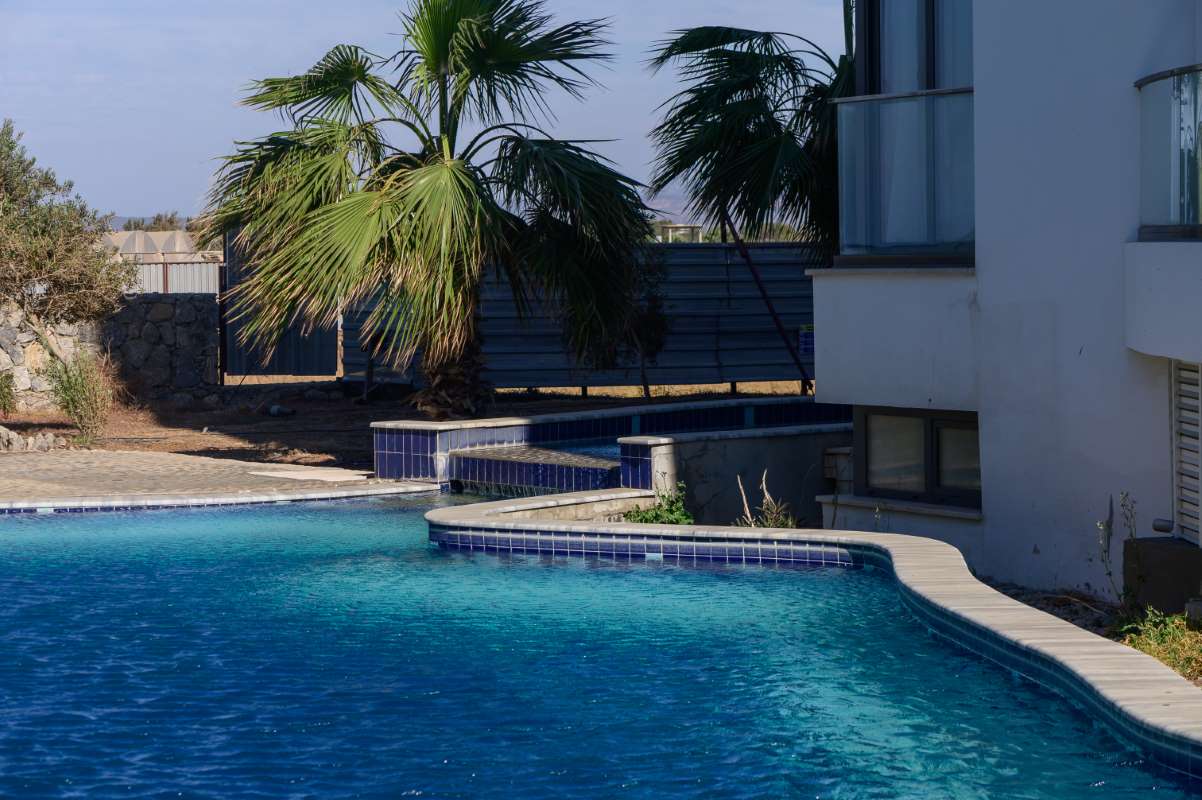
📌 Key Takeaway: Salt air shortens pool tile life by attacking grout, accelerating corrosion behind the tile, and intensifying freeze-thaw damage in some coastal markets. Coastal route owners need to spot the early signs, document the progression, and price service with that wear in mind.
How Salt Air Affects Pool Tile Longevity
If you service pools within 3 miles of the ocean in Florida, coastal California, or the Gulf states in Texas, you are working in a different environment than inland operators. Salt-laden air does not just leave a film on the waterline. It works into grout, metal, and small cracks, then keeps breaking those materials down long after the first sign has faded.
That matters for route owners because tile deterioration is rarely a sudden event. It builds slowly, then shows up all at once when a customer notices a pop-off, a stain, or a row of grout that has turned soft. A technician in South Florida may see the first white bloom on a waterline and think it is cosmetic. In reality, that bloom often marks the start of a longer repair cycle that ends with re-grouting or a full re-tile. If you service coastal accounts, you need to read that progression early and price your work accordingly.
This post breaks down the main failure points, the signs to watch for on weekly visits, the documentation that protects you later, and the add-on services that extend tile life without promising miracles. Coastal wear is predictable enough to manage, and that predictability is part of what makes pool routes a steady business in these markets.
The Three Ways Salt Air Destroys Tile
Salt air does not attack pool tile in one clean step. It weakens the system that holds the tile together, and each weak point makes the next one worse. Grout, metal, and freeze-thaw exposure all play a role.
Grout erosion is the first weak point
Grout is porous, so it absorbs moisture and dissolved salts. Over time, that exposure drives efflorescence, surface loss, and softening. Efflorescence shows up as white powder or staining along the grout lines. It is not just a stain. It means salts have moved through the joint, crystallized, and pushed material out of the grout.
The other problem is that salt residue pulls in moisture. That keeps grout damp longer than it should stay damp, which weakens the bond and makes the joint easier to crumble. Inland pools can go many years before grout shows major wear. Coastal pools often start showing visible surface loss much sooner, and by the time the damage is obvious, the substrate has usually been working against you for a while.
Metal corrosion pushes tile out from behind
Behind the tile, the vulnerable parts are often metal: rebar, anchors, pool-light housings, and grounding bonds. Salt air accelerates corrosion on those components, and when metal corrodes, it expands. That expansion presses outward on the tile and coping line.
The customer sees a tile pop or a crack near a light and assumes the tile failed on its own. It usually did not. The problem is often behind the surface. Once corrosion reaches that point, replacing one tile is not enough. The repair may require opening up the area, treating the metal, rebuilding the substrate, and then resetting the finish. That is why coastal damage gets expensive fast. The visible symptom is small. The hidden repair is not.
Freeze-thaw makes coastal damage worse in some markets
Freeze-thaw is not a Florida issue, but it matters in coastal California northern counties, coastal Texas north of Corpus Christi, and any coastal market that sees sub-freezing winter nights. Salt-laden moisture gets into porous grout during the day. When temperatures drop, that moisture freezes, expands, and widens the micro-cracks already formed by salt exposure.
The result is a faster decline than freeze-thaw alone would cause. The damage is easy to spot once you know what to look for. Inland freeze-thaw often creates more uniform cracking with little salt bloom. Coastal freeze-thaw adds white salt staining along the grout lines, which is a clear sign that salt is part of the failure pattern. In Florida and coastal Arizona, this is not a factor. In Texas coastal and Northern California, it adds another layer of wear on top of the base salt-air effect.
Arizona is a useful contrast because it is not coastal, yet the market still teaches the same inspection habit. The Census ACS 2024 profile for Arizona lists a median household income of $79,964, which helps explain why many owners there pay close attention to presentation and maintenance quality. That kind of customer expects the waterline to look clean, and they notice when salt bloom or grout wear starts to break the finish line.
The same point carries into pricing and presentation. Even without ocean exposure, Arizona accounts tend to reward technicians who catch wear early and keep the tile line looking intentional. The environment is different from the coast, but the service standard still rewards attention.
What to Look For During Weekly Service
Weekly service is where coastal tile problems get caught early. A technician does not need a long inspection to spot the warning signs. A few extra seconds at the waterline can save the customer from a much larger repair later.
Every week, walk the tile line and look for white bloom, chips, loose grout, or any tile that seems to sit higher than the one next to it. That bowed or pushed-up look often means the bond below the tile is starting to fail. Check around pool lights too. Hairline cracks that radiate outward from a light housing can point to movement behind the finish, not just surface wear.
On a monthly basis, spend a little more time on the metal components. Pull the pool-light ring loose if the job allows it and inspect for corrosion staining. Green or orange discoloration around the housing is a warning sign. Check ladder and handrail anchors for rust streaking down the wall. Then test a grout joint gently with a screwdriver tip. If it crumbles easily, the joint has started to soften and should be treated as a maintenance issue, not a cosmetic one.
Seasonal service is where the bigger picture comes together. Photograph the tile line from several angles and date the images. Keep those photos with the customer record. If tile shifts even slightly over a season, that movement matters. A small offset today can become a pop-off next year. The point is not to overreact to every chip. It is to catch the pattern before the pattern becomes a repair bill.
Documentation Protects the Route Owner
Coastal tile failure almost always feels sudden to the customer. That is because the visible damage shows up late, even when the breakdown started years earlier. Good documentation solves that problem.
If you have dated photos, you can show the progression instead of arguing about memory. A bloom that appeared earlier, a chip that widened, and a tile that finally lifted tell a clear story. That helps in three ways. It sets expectations, it backs up seasonal pricing, and it gives you a timeline if an insurance claim comes into play.
A simple example makes the point. A route owner in coastal Florida notices light salt bloom on a waterline one season and logs it with photos. The next season, the bloom has expanded and a couple of grout joints begin crumbling. By the following year, a tile near the coping pops. Without photos, the customer says the damage came out of nowhere. With photos, the route owner can show a steady decline and explain why the work needed attention before the failure became obvious. That kind of record turns a confrontation into a normal maintenance conversation.
Many route owners use EZ Pool Biller or similar tools that attach photos to customer records. If your billing tool supports it, use it. If it does not, keep a dated cloud folder for each customer and stay consistent. The method matters less than the habit.
Do not promise a tile will last a certain number of years. Coastal exposure changes with wind direction, pool orientation, sun, chemistry, and maintenance history. A hard promise sounds confident in the moment and creates a problem later. Your job is to report what you see and record what changes.
Preventive Services You Can Offer and Charge For
Coastal deterioration cannot be stopped, but it can be slowed. That gives route owners room to add value without overselling the result. The best add-ons are the ones that protect the tile and make the problem easier to monitor.
Quarterly acid-free tile cleaning removes salt bloom and mineral buildup without attacking the grout the way harsher cleaners can. That matters on coastal pools, where aggressive acid use can speed the very erosion you are trying to slow. Customers understand the benefit because they can see the difference along the waterline.
Annual grout sealing is another useful service. A penetrating silane or siloxane sealer helps reduce chloride penetration and keeps the joints in better shape longer. It does not make coastal wear disappear, but it gives the grout a better chance to hold up through repeated exposure. That makes the service easy to explain and easy to justify.
Sacrificial anode installation and inspection also fits coastal work well. When a pool has metal components such as stainless ladders, aluminum skimmers, or galvanized anchors, the anode helps draw corrosion away from those parts. The anode itself takes the wear first, which is exactly what it is supposed to do. That is practical maintenance, not hype.
These services build trust because they solve a real problem. They also create recurring revenue on accounts that already require closer attention. On coastal routes, that combination is hard to beat.
When Tile Actually Needs Replacing
At some point, maintenance is no longer enough. That is when the customer needs a specialist, and the route owner needs to recognize the threshold before small problems become structural ones.
If grout loss is visible across a meaningful section of the tile line, re-grouting is the next step and full re-tile should not be far behind. If tiles have popped or chipped in several places, patching is usually the wrong answer. Multiple failures mean the bond or substrate is already compromised. If rust staining is coming from a tile joint, that is a structural warning and not just a surface issue. Multiple hairline cracks radiating from one point usually mean movement below the finish, which calls for a deeper inspection.
Route owners are not usually the ones doing a full re-tile, but customers will still ask for an opinion. The right answer is direct: the tile specialist should look at it now. That keeps the customer moving toward the proper fix and keeps the route owner from taking responsibility for work outside the weekly service scope.
Regional Notes
Coastal wear is not identical from one market to the next, and route owners should treat the local environment as part of the pricing and service plan.
South Florida sees the most aggressive tile deterioration, especially close to the ocean. The combination of constant exposure and heavy humidity makes the waterline work harder than inland accounts do. Florida Gulf Coast pools still deal with salt exposure, but the effect is often less intense than on the Atlantic side.
California coastal markets face steady salt exposure with minimal freeze-thaw. That makes grout sealing one of the best preventive tools because the main fight is against ongoing salt intrusion rather than winter expansion.
Texas coastal pools have a more mixed profile. Salt air, high summer humidity, and occasional freezing create a tougher maintenance picture. Quarterly inspections make sense because the damage can move faster once cold weather joins the equation.
Arizona is not coastal, but mineral-heavy desert water can produce some of the same visible efflorescence patterns. The mechanics are different, but the inspection habit still transfers: look for bloom, soft joints, and movement before the customer notices the problem. Arizona also gives operators a useful pricing lens. With a median household income of $79,964 in the Census ACS 2024 profile, service quality and presentation matter, and customers expect visible upkeep when they are paying for regular care.
See our current inventory by state: Florida, Texas, California, Arizona, Nevada.
Related Reading from Superior Pool Routes
If you want to build a stronger coastal service plan, these posts go deeper into the business side of route ownership. Seasonal vs. Year-Round Pool Markets shows how climate shapes route economics. The 3 Most Profitable Pool Service Add-Ons covers the kinds of extra services that actually make sense in the field. Pool Service Truck Setup covers equipment choices that matter when you are carrying specialty cleaning and inspection gear. Our training program includes coastal-specific maintenance content, and our current pool routes for sale page shows where we are building routes now.
Frequently Asked Questions
How close to the ocean does a pool need to be before salt air becomes a concern?
Meaningful accelerated deterioration starts within 3 miles of open saltwater. Pools directly on the beach see much faster wear than pools farther inland.
Is saltwater chlorination also a problem for tile?
Yes. It is a different mechanism, but saltwater chlorination systems raise dissolved chloride in pool water and can contribute to grout erosion from inside the pool. Controlled water chemistry helps, but it does not erase the coastal problem.
Can I tell my customer their tile will last X more years?
No. Coastal pools have too many variables for that kind of promise. Stick to what you observed this quarter and what the progression suggests.
Does higher-grade tile last longer in coastal conditions?
Yes, to a point. Porcelain generally holds up better than ceramic, and vitrified surfaces resist salt penetration better than matte finishes. Darker glazes also tend to hold up better in strong sun. Even so, grout usually remains the weak point.
How do I know if a coastal pool route is a good investment?
Use the same fundamentals you would use on any pool route, then account for the local environment. Check the age and condition of the tile, look for deterioration during the walk-through, and build in higher maintenance costs where the coastal exposure demands it. Our 5 Things to Look for When Buying a Pool Route covers the general due diligence.
Coastal route work rewards consistency. The accounts are not fragile just because they need more attention. They are predictable, repeatable, and worth servicing the right way. That is why pool routes in coastal markets remain strong business for owners who know what to watch, document, and charge for.
Ready to Service Coastal Pool Routes?
Coastal routes command premium pricing because they require specialized knowledge. Superior Pool Routes has been building pool routes since 2004 in Florida, Texas, and California, and we know which areas support steady growth and which ones need a tighter service plan.
Call us at 800-249-6973 or visit our Contact page to talk through coastal-market opportunities in your area. Training covers the chemistry and maintenance requirements that come with salt exposure.
Pricing may vary based on location, account count, and market conditions. Contact Superior Pool Routes for a personalized quote.