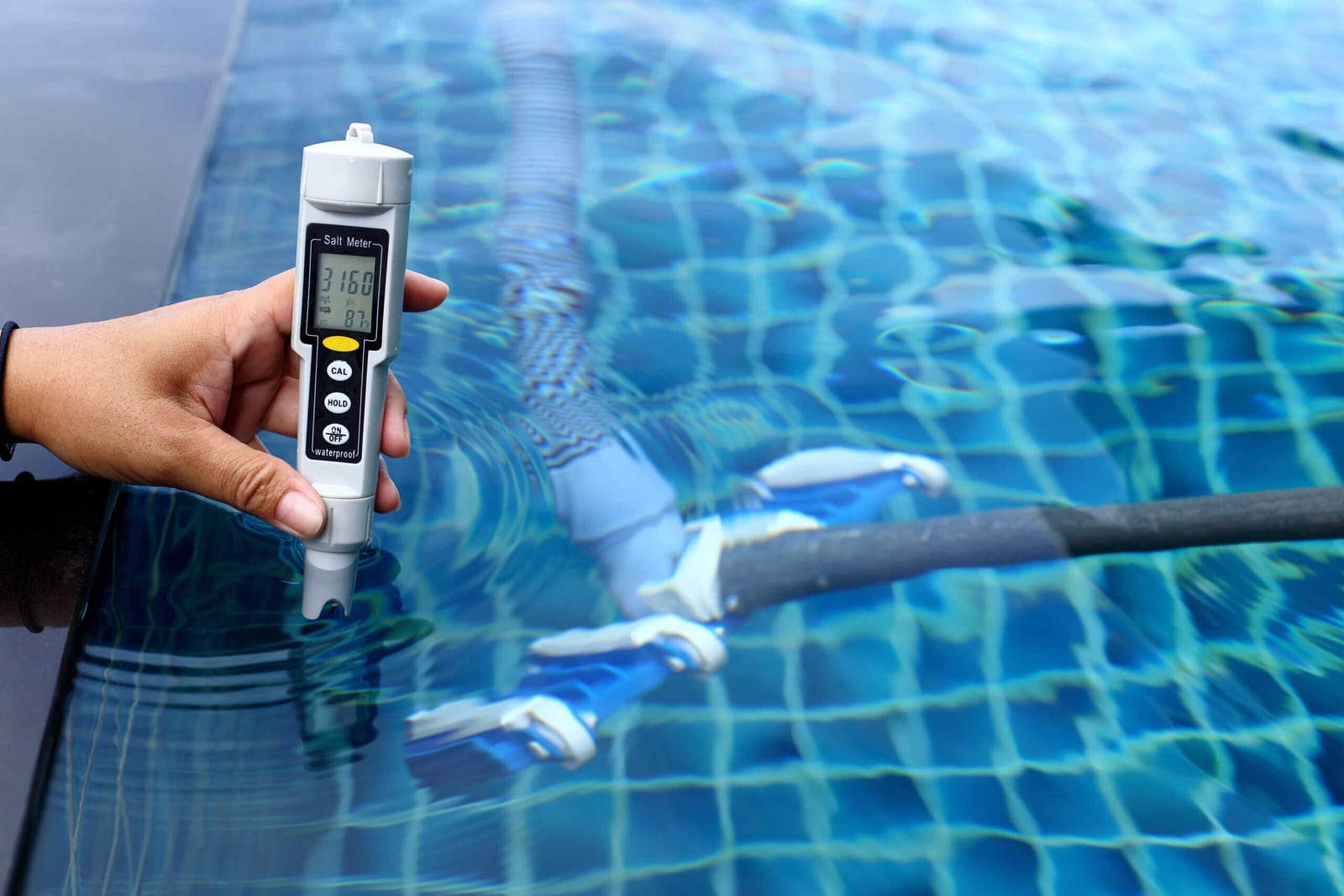
📌 Key Takeaway: Pool testing frequency depends on how fast water chemistry changes, how many swimmers use the pool, and how much outside debris or contamination it picks up.
Some pools stay stable for days. Others change by the hour. That difference is why one pool can run on a simple testing routine while another needs close attention throughout the week. The right schedule protects swimmers, prevents chemical waste, and keeps service calls efficient.
The issue is not just water chemistry in the abstract. It is the pace of change. A busy community pool, a saltwater pool in harsh weather, and a backyard pool with light weekend use all behave differently. Once you understand what pushes water out of balance, the testing schedule becomes much easier to set and defend.
Pool Usage Patterns
Usage is one of the biggest drivers of testing frequency because swimmers add load to the water every time they enter it. Sweat, sunscreen, body oils, and other organic matter all affect sanitizer demand. A lightly used pool may hold its balance for a while. A high-traffic pool can drift off target much faster.
That is why public pools and community swimming areas need more frequent checks than a private pool that only sees occasional use. The CDC guidance for public pools reflects that reality. More swimmers mean faster chemical change, more debris, and more chances for unsafe water if testing slips.
The type of activity matters too. Swim lessons, competitions, and events create spikes in usage that can overwhelm normal conditions. A pool that looks fine in the morning can need attention by afternoon if several classes or a packed recreation schedule run through it.
A simple real-world example makes the difference clear. A neighborhood pool hosting a weekend birthday party may look clean when the guests arrive, but by the end of the day the sanitizer demand can be much higher than usual because of extra swimmers, sunscreen, and splashing that stirs up debris. A residential pool with two or three swimmers on a quiet weekend does not face the same load, so it can usually follow a lighter testing rhythm. The service decision should follow the way the pool is actually used, not a generic schedule.
Environmental Factors
Weather and surroundings can change water quality just as fast as swimmers can. Pools near trees, landscaping, or heavy pollen often collect more debris. Rain can wash in contaminants and change the chemical balance in a single event. Wind can also carry dust and organic material into the pool, which increases the need for testing after storms or seasonal shifts.
Climate matters because heat speeds up evaporation and chemical loss. In a place like Florida, warm temperatures and strong sun can make chlorine levels drop faster than they would in a cooler region. That means testing has to happen often enough to catch the change before the water goes out of range.
The lesson is straightforward: the more exposure a pool has to weather, vegetation, and heat, the more often it needs to be checked. Service professionals should not wait for visible problems. Testing after rain, pollen spikes, or a stretch of extreme heat helps prevent a small change from becoming a larger correction later.
Type of Pool and Its Equipment
Pool construction and equipment affect how stable the water stays between tests. Saltwater pools, for example, still need careful monitoring. They do not eliminate chlorine management. They simply create a different system that depends on salinity, cell performance, and balanced chemistry. If a salt system drifts, the pool can lose its protective sanitizer level before anyone notices.
Filtration also matters. A pool with strong circulation and modern filtration tends to stay cleaner than one with older or undersized equipment. Better circulation removes debris faster and distributes chemicals more evenly, which helps hold the water in range. Older systems may leave dead spots or allow contaminants to linger, which forces more frequent testing to catch problems early.
The practical takeaway is that equipment quality changes the margin for error. A newer system may support a steadier schedule, but it still needs verification. A weaker system needs tighter oversight because it gives the water less help between service visits. That is one reason operators should match the testing plan to the equipment, not just the pool size.
For anyone building a service business around this work, those differences matter. They shape route design, labor planning, and the time required per stop. That is also why some owners look at pool routes for sale with equipment mix in mind. A route with newer pools and better systems can be easier to service efficiently, while a route full of aging equipment usually demands closer attention.
Health and Safety Regulations
Regulations create a floor for testing frequency, especially in public settings. Public pools and spas are subject to tighter rules because they serve more people and carry more risk if water quality slips. Those rules exist to protect swimmers, but they also set a clear service standard for operators who want to stay compliant.
Health departments usually focus on sanitizer levels, pH balance, and water clarity. In many jurisdictions, public facilities have to test multiple times during the day, especially when usage is high. That schedule is not arbitrary. It reflects how quickly water can change when many swimmers share the same space.
Private pools are not always held to the same standard, but that does not mean testing should be casual. A family pool still needs a responsible routine because unsafe water creates problems whether the pool is public or private. Good service companies use the regulatory standard as a guide even when the law does not force the issue. That approach protects the customer and keeps service quality consistent.
Water Source Quality
The water used to fill the pool affects how predictable the chemistry will be. Some source water starts with more minerals or more sanitizer residual than others, and that can push the pool toward imbalance after filling or topping off. In areas where source water carries higher mineral content or other contaminants, testing needs to happen more often because the baseline is less stable.
Wells and other natural sources deserve extra care. They can introduce bacteria, metals, or other issues that are not always obvious at first glance. That is why testing before filling and again after the pool is in service is a smart habit. It helps catch problems early instead of forcing repeated corrections later.
This point also matters on the business side. Water quality affects how much work a route needs and how smooth the customer experience will be. A pool that starts with difficult source water can require more chemical correction, more follow-up, and more time per visit. That affects route efficiency and, eventually, the value of the work itself. Buyers evaluating pool routes for sale should pay attention to how source water affects the pools on the route, because that detail can change the real workload.
Best Practices for Pool Testing
The best testing schedule is the one built around the pool’s actual conditions. Start with usage, then factor in weather, equipment, and water source. From there, set a routine that is strict enough to catch change early but efficient enough to use across the route.
For public pools, the schedule should follow local health requirements and peak-use patterns. High traffic calls for more frequent checks, especially during busy hours and after events. For private pools, the routine should reflect how often people swim, how much debris the pool collects, and how stable the water has been over time.
A good testing routine should focus on the core chemistry that affects safety and comfort: sanitizer, pH, and alkalinity. Those numbers tell you whether the pool is safe and whether the water will stay balanced long enough to avoid constant corrections. When a pool drifts often, the answer is usually not to guess less often. It is to test more consistently and look for the cause.
Technology can help, but it does not replace judgment. Digital kits and automated monitoring tools speed up the work and make trends easier to see. They are useful when a route has many stops or when a pool tends to change quickly. Still, every tool should support a service plan, not replace one. Good operators use the data to decide when the pool needs attention and when it can hold steady.
What This Means for Pool Service Operators
Testing frequency is not just a chemistry question. It is a route management question. If a pool needs frequent checks, it takes more time and attention. If it stays stable longer, the service plan can be more efficient. The best operators understand that difference and build their schedules around it.
That is one reason pool routes remain a strong business. Pool demand does not disappear when conditions change. In fact, pools with heavier use, difficult weather exposure, or more demanding equipment often create steadier service needs, not less. Operators who understand testing frequency can protect water quality and run a tighter, more profitable route at the same time.
For owners and buyers, the point is simple. Evaluate each pool on its own terms. Look at usage, environment, equipment, regulation, and water source together. That gives you a realistic picture of service effort and helps you price time correctly. If you are comparing opportunities, Superior Pool Routes can help you think through the service demands behind the numbers.
Pool testing is one of the clearest examples of why route work rewards consistency. Pools that change quickly need more attention, but they also create recurring demand. That makes pool service a durable business model.