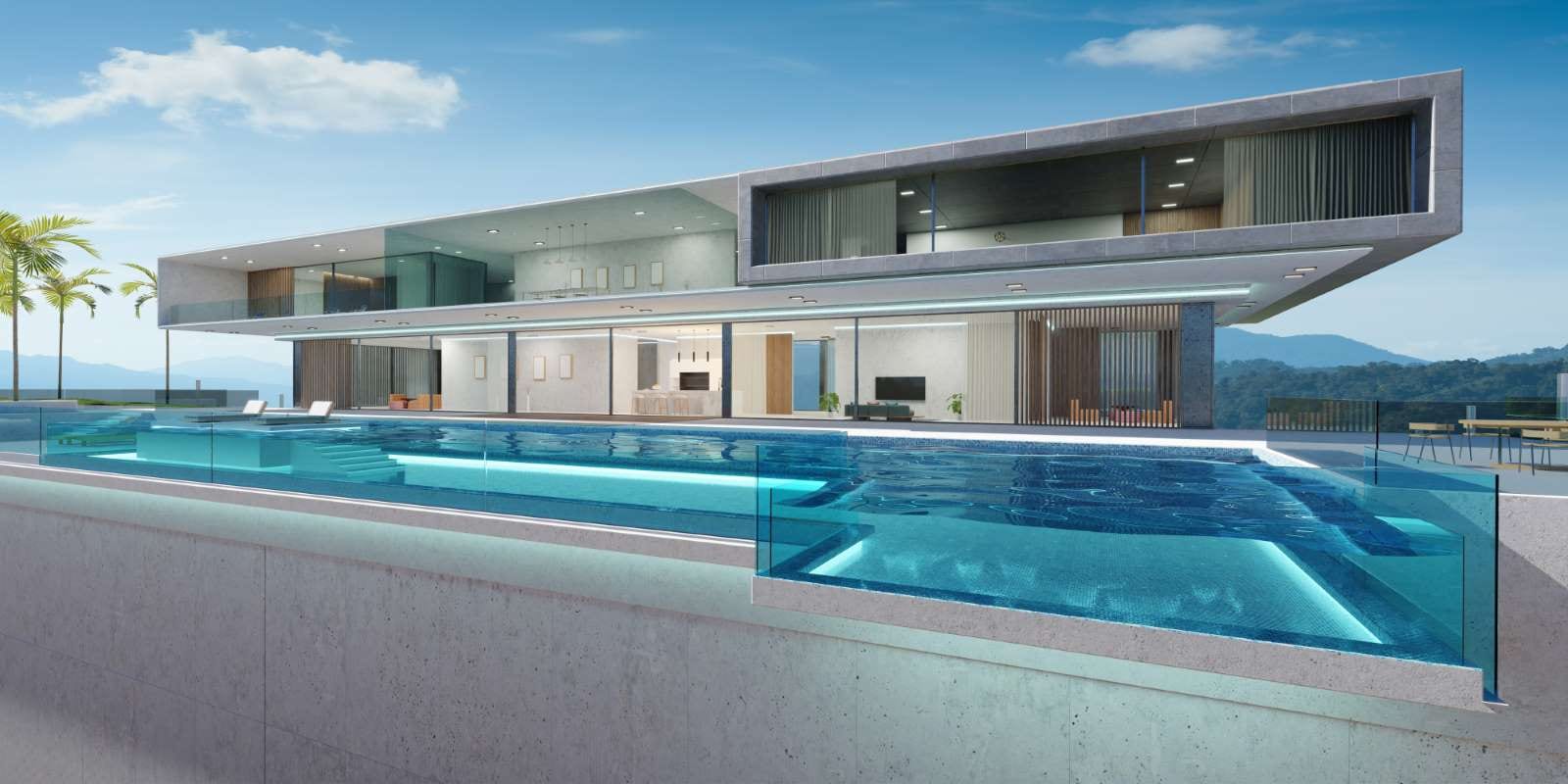
📌 Key Takeaway: Rental property pools need more frequent service because guest turnover, heavier use, and faster contamination make small problems show up quickly.
Rental property owners manage more than curb appeal. A pool adds value, but it also adds work. Guests use it differently than a homeowner does, and that difference changes the service schedule. The water turns over faster, debris builds up sooner, and small equipment issues can become visible in a matter of days. That is why frequent visits are part of protecting the property, the guests, and the investment.
A rental pool is not just a feature on a listing. It is a living system with circulation, sanitation, surfaces, and safety equipment that all need to stay in sync. When service falls behind, the problems are easy to spot: cloudy water, algae, worn fittings, and complaints from guests who expected a clean pool. Frequent maintenance keeps those issues from stacking up and helps the property keep the appearance and performance renters expect.
Why Rental Pools Need a Faster Service Rhythm
Rental property pools take more abuse than private residential pools. Tenants, vacation guests, and short-term visitors often swim without the same habits a homeowner would bring to daily use. More people means more sunscreen, more dirt, more organic load, and more strain on the filtration system. Add heat, rain, and wind, and the pool can shift from clean to neglected much faster than owners expect.
The practical answer is more frequent visits, not more wishful thinking. A service plan has to account for use patterns, not just square footage or water volume. On a busy property, the difference between a steady pool and a problem pool can be a single missed visit. That is why rental properties need tighter attention than a typical owner-occupied home.
A real-world example makes the point clear. A vacation rental with a pool may look perfect after a turnover clean, but if the next guests arrive after a weekend of heavy use and no midweek check, the water can cloud, the skimmer baskets can clog, and the chlorine level can fall out of range before anyone notices. The pool still exists, but it no longer supports the rental experience. That is lost comfort, lost trust, and often a bad review that could have been avoided with one more service visit.
Regular Service Protects Water Quality and Equipment
Water quality is the first thing guests notice and the first thing property owners lose when service slips. Pools collect debris, sweat, oils, and organic material. If circulation and chemistry are not checked often, algae can take hold and sanitizer levels can drift. The pool may still look usable from a distance, but the water is no longer stable.
Frequent visits also protect the equipment that keeps the pool running. Filters need to move water efficiently. Pumps need to operate without strain. Heaters, valves, and cleaners all depend on consistent upkeep. If a filter clogs or a pump starts running poorly, the problem does not stay small for long. It spreads into water clarity, energy use, and repair costs.
That is why maintenance is not just about appearance. It is about preventing a sequence of failures. A clean pool reduces the burden on the system. A monitored pool gives the service provider time to catch small issues before they turn into expensive ones. For rental owners, that kind of oversight is part of protecting both the amenity and the operating budget.
Safety and Compliance Come First
Safety is not optional at a rental property. Guests may not know where the shutoffs are, how the equipment works, or what warning signs mean. Some will use the pool carefully. Others will not. Frequent service helps keep safety features visible, functional, and ready for use.
That includes basics like fencing, gates, covers, and signage. It also includes water clarity and chemical balance. A pool that is cloudy or poorly sanitized creates risk, even if the surface looks harmless. Guests cannot enjoy what they cannot trust, and property owners cannot afford the liability that comes with neglect.
Legal requirements matter too. Rental properties often face rules tied to pool barriers, signage, and general safety standards. Missing those requirements can lead to fines or claims if an incident occurs. Regular visits give the owner a chance to verify that safety features are intact and that the pool area still meets the standards it needs to meet.
The best service plans treat safety as part of routine maintenance, not as a separate event. When a technician checks water quality, equipment, and visible safety issues on each visit, the property stays more secure. That lowers risk and gives guests a cleaner, safer experience.
Frequent Visits Help Preserve Property Value
A pool can help a rental stand out, but only if it looks cared for. Clean water, clear tile lines, and working equipment signal that the owner manages the property seriously. Guests notice that quickly. So do prospective renters comparing one listing against another.
That matters because a neglected pool sends the opposite message. Staining, debris, cloudy water, and broken equipment make the whole property look tired. Even if the rest of the home is in good shape, a bad pool presentation can drag down the perception of value. The pool becomes a liability instead of a selling point.
Frequent service supports value in two ways. It keeps the amenity attractive, and it extends the life of the surfaces and equipment. That means fewer premature replacements and fewer surprise repair bills. In rental markets like Florida and Texas, where pools are often part of the rental pitch, the difference between regular care and reactive repair shows up directly in occupancy and pricing power.
The property also benefits from reputation. Guests who arrive to a clean, well-kept pool are more likely to leave positive feedback and recommend the property. That matters in short-term rentals, where reviews shape future bookings. A pool that is serviced on a tight schedule helps the rest of the property perform better.
What Happens When Service Falls Behind
Skipping visits usually feels like a cost-saving move until the first serious problem appears. By then, the owner is no longer managing routine care. They are responding to damage. That shift is expensive.
A missed visit can lead to a chain reaction. Debris sits in the water longer. Chemical balance drifts. Algae gains a foothold. Equipment works harder to compensate. If the issue continues, the owner may face a leak, a pump failure, or a full cleanup after the water turns. Each step adds labor, chemicals, and repair time.
Health risk is part of that picture too. Poorly maintained pools can create unsafe conditions for swimmers. Cloudy water can hide issues. Imbalanced chemistry can irritate skin and eyes. In severe cases, bacteria and other contaminants become a real concern. For rental owners, that is not just a maintenance issue. It is a liability issue.
Guest satisfaction drops fast when the pool looks off. A rental guest does not want to troubleshoot a property feature. They want it to work. If the water is cloudy or the area looks neglected, the experience changes immediately. The guest may still stay, but the review will reflect the problem, and future bookings can suffer.
Best Practices for Managing Rental Pool Service
Rental property pools work best when the maintenance plan is simple, consistent, and documented. The first step is to schedule regular professional visits and stick to them. A qualified service provider can monitor water balance, clean the system, inspect equipment, and catch issues early. That consistency matters more at a rental property than at a private home because the usage pattern changes with each guest.
Owners can support that service plan with basic checks between visits. Skimming debris, watching water levels, and keeping the area clear all help the pool stay stable. These tasks do not replace professional service, but they reduce the chance that a small issue grows between appointments.
Guest communication also helps. Clear instructions about pool use, safety rules, and what to do if something seems wrong can prevent misuse. When guests understand the basics, they are less likely to overload the system or create avoidable problems. That kind of communication protects both the pool and the rental relationship.
Automation can also improve consistency. Systems that help monitor chemistry or control filtration can reduce the chance of missed changes between visits. They do not remove the need for service, but they make the work more efficient and give property owners better visibility into the pool’s condition.
Frequent Visits Support Stronger Rental Operations
The right service schedule does more than keep water clean. It stabilizes the whole rental operation. A dependable pool lowers complaint volume, improves guest satisfaction, and reduces emergency calls. It also gives the owner more confidence when the property is booked back-to-back.
That is why frequent visits are not an extra expense to cut first. They are part of running the asset correctly. Pools at rental properties face more turnover, more wear, and more risk than a typical backyard pool. They need attention that matches the demand placed on them.
Owners who treat the pool as a core feature, not a decorative one, get better results. The water stays clearer. The equipment lasts longer. Guests have a better stay. The property holds its value. Those are the outcomes that matter.
For owners expanding their portfolio or evaluating pool-service opportunities, Pool Routes for Sale is a good place to understand how recurring pool work supports steady, durable business growth. Contact Superior Pool Routes to learn more about available options and the training and support that come with building a pool route.