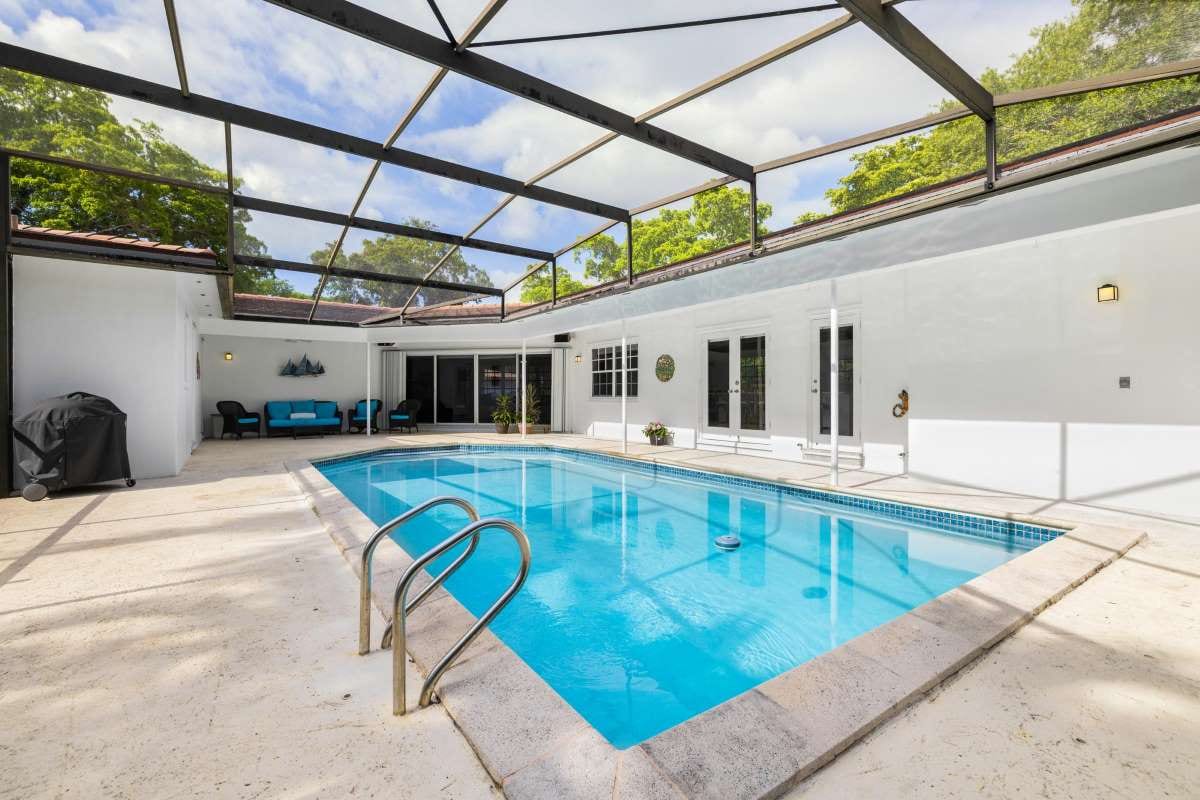
📌 Key Takeaway: Oceanside’s pool service demand rises because more homeowners want pools, outdoor living matters more, and steady local maintenance is easier to justify than repeated repairs.
Pool service demand in Oceanside has climbed for a simple reason: the city keeps adding homes, and those homes increasingly include pools and outdoor living spaces that need regular care. For pool service owners, that creates a durable market. For buyers evaluating pool routes, it points to a business with recurring work and practical staying power.
Oceanside’s climate and coastal setting make pools feel less like a luxury add-on and more like part of the property itself. Once a pool is in place, it needs constant attention. Water chemistry changes, debris builds up, equipment wears down, and homeowners want dependable service they do not have to think about. That is why demand keeps moving upward. The market rewards operators who show up on time, communicate clearly, and keep systems running cleanly.
Homeownership is driving more pool work
Rising homeownership in Oceanside has a direct effect on pool service demand. As more families buy homes, more of them inherit pools or add them during upgrades. New construction also matters. Builders often market outdoor living as part of the home, and a pool fits that promise. The result is straightforward: more pools in more yards means more service stops, more chemistry work, and more equipment to maintain.
That shift changes the shape of the market. A pool is not a one-time purchase. It becomes an ongoing responsibility, and homeowners usually prefer outsourcing that responsibility to a professional. They want clean water, working pumps, and fewer surprises. That creates recurring demand for pool routes and makes route ownership attractive for operators who want predictable service days and repeat revenue.
The key point is not just that more pools exist. It is that each new pool adds a long-term service obligation. That is why homeownership growth translates into stronger demand for pool service.
Outdoor living has become part of daily life
Lifestyle changes have pushed pool service demand higher as well. In Oceanside, homeowners use their backyards differently than they did years ago. Pools now sit inside a broader outdoor living setup that includes patios, seating areas, spas, and entertainment space. Families use those areas to relax, exercise, host guests, and spend more time at home.
That change became even more visible during the COVID-19 pandemic, when private outdoor space gained value. People wanted a place to unwind without leaving home. A well-kept pool became part of that goal, not just an accessory. Once homeowners view the backyard as a personal retreat, they expect it to stay clean, safe, and ready to use.
A simple real-world example makes this clear. A family that just moved into a home with a pool may plan to handle maintenance themselves at first. After a few weeks, they run into cloudy water, chlorine swings, or filter issues, then realize the work is more technical than it looked. They call a professional service, and what started as a temporary arrangement turns into a recurring route stop. That is how lifestyle preference becomes steady demand in the field.
For pool service operators, this matters because convenience sells. Homeowners are not just paying for cleaning. They are paying to protect their free time and avoid water problems that can turn into expensive repairs.
Economics support recurring maintenance
Economic conditions also shape the pool service market in Oceanside. When homeowners feel more confident about their finances, they are more willing to invest in property upgrades and ongoing care. A pool is one of those upgrades. It adds value, but only if it stays functional and presentable. Neglected pools lose that appeal quickly.
Maintenance is usually easier to justify than replacement or major repair. Homeowners may delay a big project, but they still need the pool serviced if they want to use it safely. That creates a practical opening for service providers. Even when budgets tighten, basic pool care remains necessary. Chemical balancing, cleaning, and equipment checks do not disappear just because the economy changes.
Flexible financing for pool projects also helps drive demand. Once a homeowner installs a pool or improves an outdoor space, they need ongoing service to protect that investment. That means the revenue stream for operators is not tied to one-time sales. It is tied to the life of the asset itself, which makes pool routes a stronger long-term play than many seasonal service businesses.
Pool route brokers help match buyers to demand
As demand grows, pool business brokers play a bigger role in helping buyers enter the market. Superior Pool Routes works with entrepreneurs who want to buy pool routes and start with revenue-producing work instead of spending months trying to build from zero. That matters in a market like Oceanside, where speed and territory planning both matter.
Brokers help buyers understand what they are entering. They look at territory, route size, billing structure, and fit. They also help existing operators expand into areas where demand is moving upward. In practical terms, that can save time and reduce the guesswork that often slows down a new service business.
For someone evaluating pool routes for sale, the appeal is clear. Oceanside is not a market where service demand needs to be invented. It already exists. The real question is how to place the right route in the right area and support it with good operations. That is where a broker with real market knowledge becomes useful.
The fastest way to grow is to serve better
Operators who want to capitalize on Oceanside demand should focus on service quality first. The market rewards consistency. Homeowners care about whether the water looks right, whether equipment works, and whether the technician communicates before problems pile up. When those basics are handled well, retention improves and referrals follow.
It also helps to think beyond cleaning alone. Some customers want maintenance packages, while others need help with equipment upgrades or seasonal adjustments. Service businesses that can adapt without losing reliability tend to hold up better over time. In a market with more homeowners and more pools, the operator who solves problems quickly usually wins the account.
Strong service also protects margins. A route with dense stops and efficient scheduling is easier to run than scattered one-off work. That is one reason pool routes remain attractive. They create repeatable work, and repeatable work supports a stable business model.
Good maintenance keeps customers on the route
Pool maintenance is not complicated in theory, but it works best when handled with discipline. Water chemistry must stay in range, equipment needs routine inspection, and communication matters when something changes. Operators who treat maintenance as a system rather than a checklist deliver better results and keep customers longer.
Regular chemical monitoring is the backbone of the job because small imbalances create bigger problems later. Clean, accurate testing prevents cloudy water, algae growth, and equipment strain. Quality tools also matter. Reliable testing gear and efficient cleaning equipment save time and help technicians work consistently across the route.
Client relationships matter just as much as technical skill. Homeowners remember the service provider who explains issues clearly and shows up when promised. That kind of reliability builds trust, and trust is what keeps a route profitable over time.
Oceanside demand looks durable, not temporary
The outlook for pool service in Oceanside remains strong because the drivers behind it are structural. Homes keep being built and sold. Outdoor living stays attractive. Pools require ongoing care. Those factors do not fade quickly, which is why the market continues to support steady service demand.
Technology will shape how operators work, but it will not replace the need for local service. Smart monitoring, better equipment, and more efficient scheduling can all improve productivity. Still, someone has to visit the property, inspect the system, and keep the water right. That is the business reality behind every pool route.
For buyers and owners, the takeaway is straightforward. Oceanside supports a business model built on repetition, reliability, and recurring service needs. That is exactly why pool routes hold up well. They are practical, recession-resistant, and tied to a service homeowners need to protect their investment.