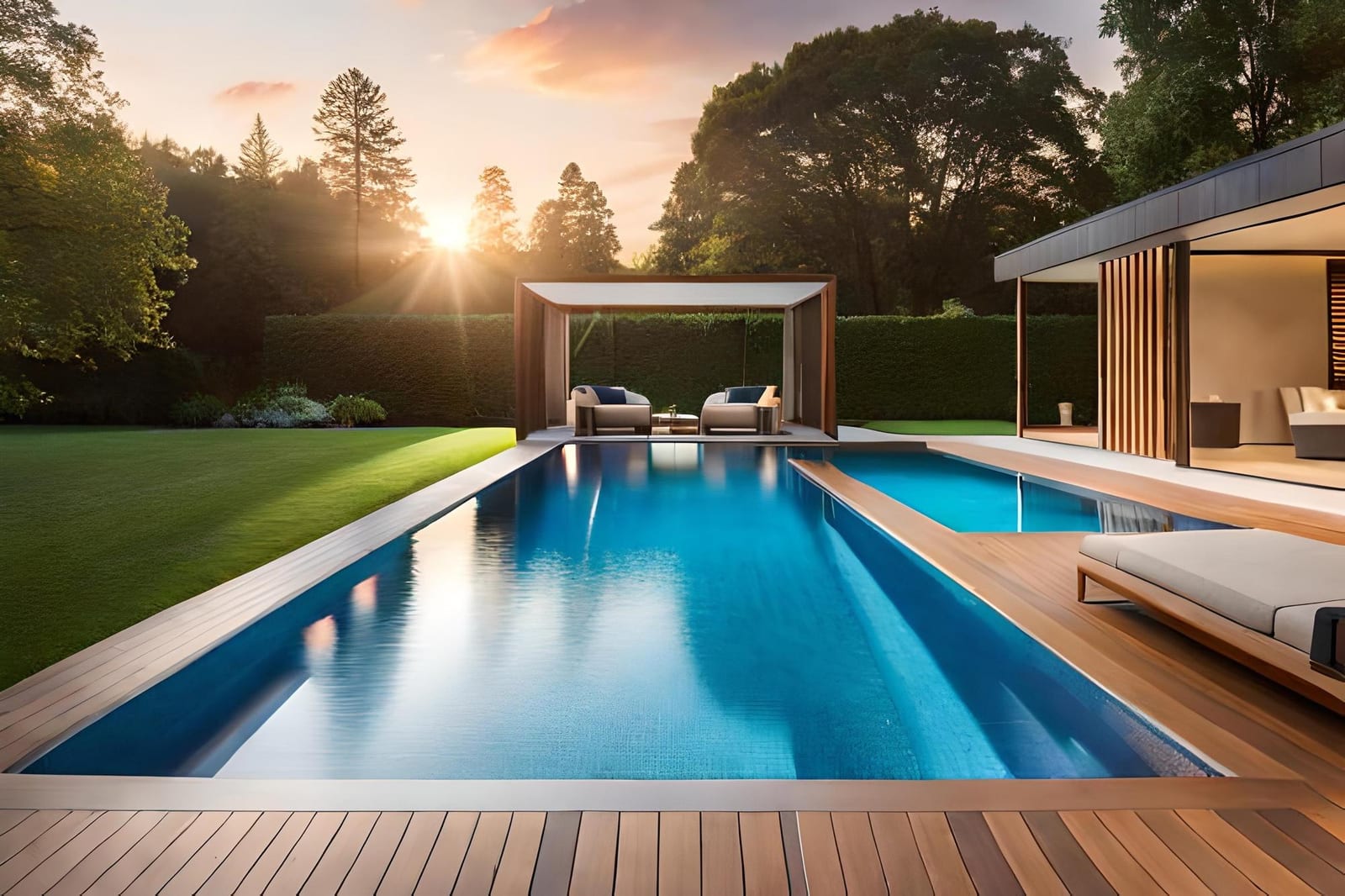
📌 Key Takeaway: Morning sunlight and afternoon sunlight can change water chemistry in different ways, especially by shifting temperature, chlorine loss, and algae pressure.
That difference matters in pools, ponds, and other water bodies. A few hours of stronger sun can push water warmer, speed up chemical breakdown, and make maintenance more demanding later in the day. Morning sun is usually gentler, so it tends to give operators a slightly easier window for balancing water before the hottest part of the day hits.
The same pattern shows up in building cycles too. U.S. housing starts were reported at 1,239.00 k starts SAAR on July 1, 2026, according to FRED’s HOUST series, and that kind of pace matters for route growth because new homes often mean new pool demand down the line. More rooftops do not change the chemistry inside a pool, but they do change how many pools need to be serviced and managed across a territory.
A simple way to see it is this: two pools can test fine early in the morning, then drift apart by afternoon if one gets full sun and the other stays shaded. The full-sun pool warms faster, chlorine burns off more quickly, and algae has a better shot at taking hold. That is why sunlight exposure should be part of any maintenance plan, not just an afterthought.
The Role of Sunlight on Water Chemistry
Sunlight does more than warm the surface. It changes the pace of the chemistry inside the water. UV exposure, water temperature, and the angle of the sun all influence how fast compounds break down, how organisms respond, and how stable the water stays across the day.
Morning sun usually arrives at a lower angle and lower intensity. That often keeps water a little cooler for longer, which slows some chemical reactions and can help preserve balance during the early part of the day. Afternoon sun comes in harder and hotter. That extra heat can push water temperature up, which shifts how chemicals behave and how quickly organic material decomposes.
That shift matters because warmer water often creates conditions where algae and other microorganisms gain an advantage. It also changes the way disinfectants perform, so the same treatment that held well in the morning may not last as long once the sun has been on the water for several hours. For pool operators, the lesson is straightforward: sunlight exposure changes the chemical baseline, so timing matters.
Morning Sun Effects on Water Chemistry
Morning sun gives pool operators a useful working window. The light is softer, temperatures are lower, and chemical demand is often more predictable. That makes it easier to test, adjust, and get ahead of problems before heat and evaporation start working against the water.
Lower UV intensity also helps slow the loss of disinfectants like chlorine. Chlorine is essential for sanitation, but direct sunlight breaks it down. When the sun is gentler, that breakdown tends to happen more slowly, which can make morning adjustments hold longer through the day. That is especially useful on routes where technicians need to balance many pools in a single stop pattern and want the chemistry to stay stable after they leave.
Morning conditions can also support the biological side of water care. Beneficial bacteria and biofilms play a role in breaking down organic material, and cooler water tends to be less disruptive to that process. In practical terms, that means the early part of the day is often the best time to correct water before heat, swimmers, and debris add pressure.
Afternoon Sun Effects on Water Chemistry
Afternoon sun creates a different maintenance problem. The water has had time to absorb heat, UV exposure is stronger, and the chemistry tends to move faster. That usually means more chlorine loss, more evaporation, and a greater chance of conditions that support algae.
Warmer water can also change nutrient behavior in ways that favor growth. When algae gets heat, light, and available nutrients at the same time, it can move quickly. Once that starts, clarity drops, filters load up faster, and the water becomes harder to keep in range without additional service work. For pool businesses, that can mean more callbacks if the route is not being managed with the sun pattern in mind.
Evaporation is part of the afternoon problem too. As water level drops, dissolved substances become more concentrated. That can lead to scaling, rough surfaces, and other maintenance issues that show up when the same water has been sitting in direct sun for hours. The chemistry does not stay static, and the later in the day it gets, the more the pool has been pushed by temperature and sunlight.
A Real-World Example of Sun Exposure in Action
A good example is a backyard pool that gets full afternoon sun from mid-day through evening. The homeowner tests the water early, sees acceptable chlorine, and assumes the pool is in range. By late afternoon, though, the same pool has warmed up, chlorine has dropped, and the water may already be drifting toward algae-friendly conditions. If the pool sits near trees, patio furniture, or a screen enclosure that blocks morning light but not afternoon light, the difference becomes even more noticeable.
That is why service technicians often treat sun exposure as part of the route assessment itself. Two pools in the same neighborhood can need different attention simply because one gets blast exposure in the afternoon and the other spends most of the day shaded. The chemistry follows the light.
Impact on Algae Growth and Prevention Strategies
Algae is one of the clearest signs that sunlight and water chemistry are working against each other. Warm water, active sunlight, and available nutrients create the conditions algae likes best, especially in the afternoon when the pool has already been heated for hours.
The first line of defense is regular testing. pH, chlorine, and phosphates should all be checked often enough to catch drift before it becomes a problem. When those numbers move, the fix is usually simpler if you catch it early. Waiting until the water turns cloudy or green means the chemistry has already been allowed to wander too far.
Shade also helps. Covers, pergolas, screens, and other shade structures reduce direct exposure and keep the water cooler. That does not eliminate maintenance, but it gives the pool a better chance of holding balance through the hottest part of the day. Enzymes, beneficial bacteria, and dependable filtration can help too, but they work best when sunlight pressure is already under control.
Best Practices for Pool Maintenance
The most effective maintenance plans account for when a pool gets sun, not just how much service it gets. A pool that sits in morning shade and afternoon sun should not be treated exactly the same as one with steady all-day exposure. The timing of testing, dosing, and inspection should reflect that difference.
A strong maintenance routine starts with regular testing and balancing, especially during peak sun exposure. It continues with practical shading where possible, since reducing direct afternoon light can slow chemical loss and algae growth. Filtration should stay clean and functional so debris and organics do not compound the problem once heat starts building. Enzymes and beneficial bacteria can support the water, but they are helpers, not substitutes for sound chemistry.
For pool service companies, this is also where route knowledge pays off. When technicians understand which pools run hotter, which ones lose chlorine faster, and which ones need tighter afternoon control, they can work more efficiently and deliver better results. That kind of consistency builds trust and makes the business easier to scale through pool routes.
Implications for Aquatic Ecosystems
The same sunlight pattern shows up outside residential pools. Lakes, ponds, and other aquatic environments also respond to the difference between morning and afternoon light. Sunlight drives photosynthesis, affects plant growth, and changes the pace of nutrient cycling, so time of day can influence ecosystem behavior in noticeable ways.
Morning light is often less stressful for aquatic plants. It supports growth without the same heat load that comes later in the day. Afternoon light can accelerate growth in faster species, which can shift competition and affect biodiversity. In managed water bodies, that matters because plant growth, nutrient loading, and water clarity all feed into each other.
Environmental managers who account for sunlight exposure can make better decisions about restoration, nutrient control, and ongoing maintenance. The principle is the same as in pool care: water chemistry is easier to manage when you understand the light pattern working on it.
Future Considerations in Pool Route Management
Sunlight patterns are not just a chemistry issue. They are an operational issue for pool service businesses. Routes run better when technicians know how local conditions affect the water, because that knowledge helps them prioritize stops, adjust chemical treatment, and reduce avoidable service problems.
Technology can support that work. Water quality monitoring tools and automated maintenance systems make it easier to track changes, but they do not replace judgment in the field. A technician still needs to know whether a pool is baking in afternoon sun, cooling overnight, or losing sanitizer faster than expected. That is the kind of practical knowledge that separates routine service from reliable service.
Customer education matters too. When pool owners understand why one pool needs extra attention in the afternoon, they are more likely to value the service and stay on schedule. That creates steadier relationships and cleaner water. For a pool business, that stability is the point. Sun exposure changes chemistry, but a disciplined route strategy keeps the business predictable, profitable, and built for the long run.
If you are expanding a pool service company or planning your first route, this is the kind of detail that helps you work smarter. Understanding how morning and afternoon sun affect water chemistry leads to better service decisions, better results, and stronger operating consistency across the route.
Ready to take the next step in your pool service journey? Explore our Pool Routes for Sale and see how a well-built route can support immediate income and lasting stability. Contact us today to learn more about our offerings and how we can support your success.