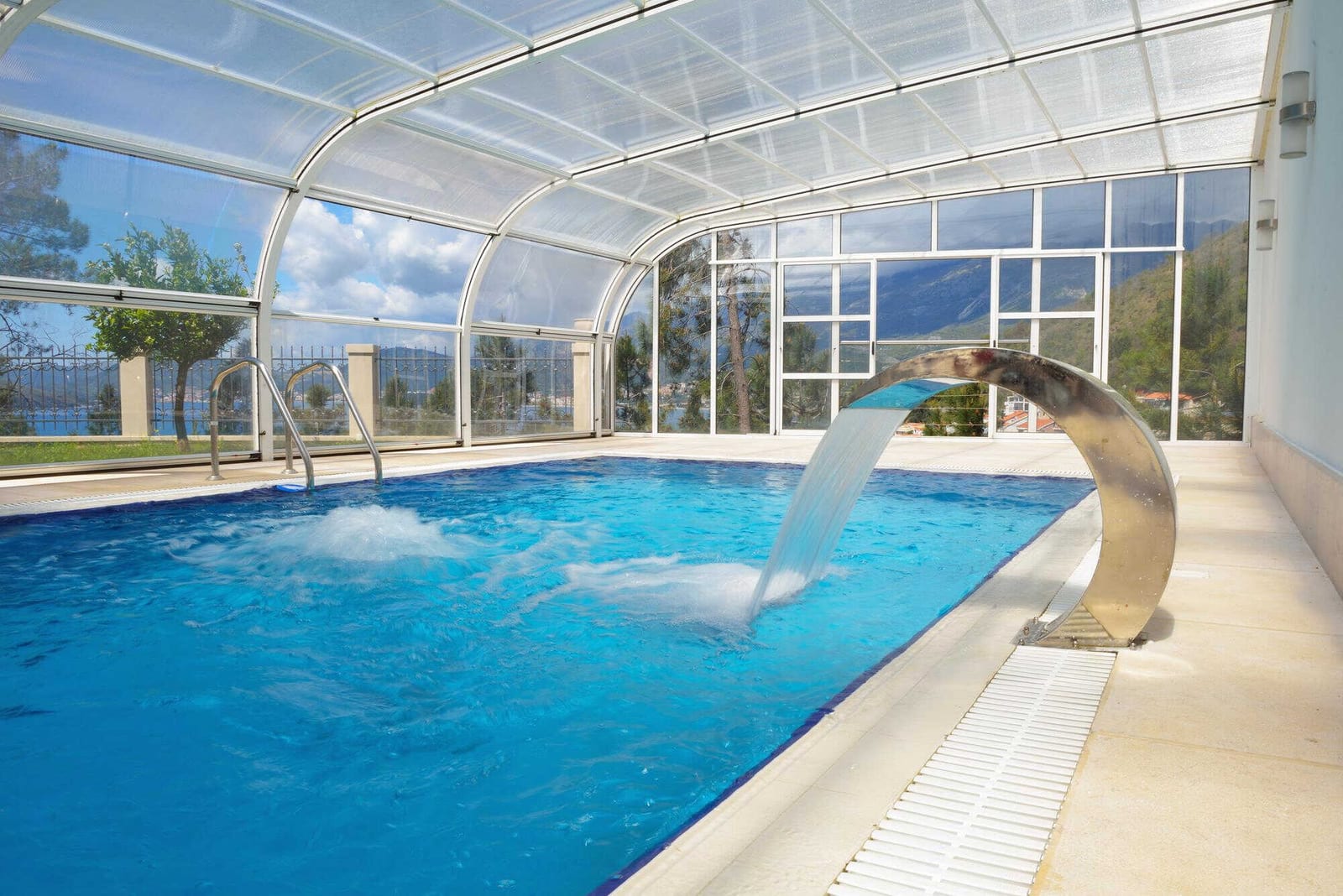
📌 Key Takeaway: Major renovations need detailed water start-up plans because water systems touch compliance, risk, schedule, budget, and client trust all at once.
Water systems are where renovation mistakes turn expensive fast. A clear start-up plan gives the team a sequence to follow, defines who handles each step, and creates a record of what was checked before the system goes live. That matters on residential jobs and larger commercial projects alike. When the plan is thin, small oversights turn into leaks, delays, failed inspections, or avoidable rework.
Public health data makes that risk plain. The CDC documented 208 recreational-water-illness outbreaks from 2015 to 2019, which is a reminder that most pools never become a case study when operators handle start-up correctly. The agency’s guidance at Healthy Swimming helps frame why careful preparation matters before water is put into service.
A strong water start-up plan does more than list tasks. It connects the installation to the real conditions of the project: local code requirements, pressure testing, water quality checks, emergency shutoff access, and the order in which systems should come online. It also gives the contractor a way to communicate with the client before problems become surprises. That combination keeps the project moving and makes the finished work more reliable.
Compliance Comes First
Water-related work sits inside a web of local and national rules, and renovation teams need a plan that tracks those requirements from the start. Plumbing installation, water quality concerns, backflow protection, and environmental rules all shape how the work should be sequenced. A good start-up plan keeps those requirements visible so the team does not treat compliance as an afterthought.
That matters because non-compliance can stop a project cold. Permits may be required before work begins on water systems in many states, and inspectors expect the work to match the approved scope. If the plan is detailed, the contractor can line up the right paperwork, coordinate with authorities, and avoid the scramble that usually comes from discovering a missing approval late in the job.
The compliance piece also protects the finished property. When systems are started without confirming code requirements, the result can be more than a failed inspection. It can create long-term problems for the people who occupy the space later. A detailed plan makes it easier to keep those risks in view while the work is still controllable. CDC outbreak data from 2015 to 2019 reinforces the point: start-up is not just a paperwork step, it is part of keeping water safe once the job is done.
Risk Control Starts Before the Water Flows
Renovation work carries risk on its own, but water systems raise the stakes because a single mistake can spread damage quickly. A detailed start-up plan identifies the most likely failure points before the system is pressurized or handed over. That means the team can check the weak spots while access is still easy and repairs are still manageable.
Consider a common scenario. A contractor finishes a remodel, and the plumbing looks clean on the surface, but one connection was not fully secured during final assembly. Without a start-up plan, the line is turned on, the leak starts behind a wall, and the problem is not noticed until the drywall is already damaged. With a start-up plan, the team follows a set sequence: inspect connections, confirm shutoff locations, verify pressure, and document the test before closing up the area. The difference is not subtle. One version creates a repair job inside a repair job. The other catches the issue while it is still small.
A solid plan should also spell out what happens when something does go wrong. That includes knowing where the shutoff valves are, who gets called first, and how stakeholders are notified. When everyone knows the response steps, the team can limit damage instead of improvising under pressure. That kind of structure is what keeps a small issue from turning into a larger public health or property problem.
Schedules Stay on Track When the Water Plan Is Clear
Water work can slow an entire renovation if the sequence is vague. The start-up plan gives the project a timeline that is tied to actual tasks instead of assumptions. That makes it easier for trades to coordinate, especially when one team’s work depends on another team finishing first.
The benefit shows up in the handoff between installation and activation. If the plan identifies when testing happens, when inspections are scheduled, and when each system can be brought online, the whole job moves with fewer pauses. Crews know what has to happen before they can move to the next phase, and managers can catch conflicts before they become delays.
Clear planning also reduces the kind of confusion that leads to rework. If one team assumes a water line is ready while another is still waiting on approval, the schedule slips. A detailed start-up plan prevents that gap. It keeps the project coordinated, which is exactly what major renovations need when multiple moving parts depend on one another.
Budget Pressure Is Easier to Manage with a Real Plan
Renovation budgets often fail for the same reason schedules do: the team did not plan for the water system with enough detail. Water components can be costly, and the related work often includes testing, controls, labor coordination, and possible corrections. A start-up plan gives the project manager a way to track those costs before they surprise the client.
That planning matters most when something unexpected happens. If the team has already thought through likely risks, contingency funds can be set aside in a rational way instead of being pulled from the rest of the job at the last minute. The project stays more stable, and the client gets a clearer picture of what the renovation actually requires.
A detailed plan also improves accountability. When the steps are written out, it is easier to separate essential work from avoidable extras. That helps the contractor protect margins without cutting corners. The result is a cleaner budget process and fewer disputes about why certain costs appeared.
Technology Belongs in the Plan, Not After It
Modern water systems often include technology that needs to be planned from the beginning. Smart monitoring tools, leak detection, and systems that track water quality can all make a renovation more dependable, but only if they are built into the start-up sequence instead of added as an afterthought.
These tools are useful because they shorten the time between problem and response. If a sensor flags a leak or an unusual change in performance, the team can act before the issue becomes visible damage. That kind of early warning is especially valuable on large renovations, where a hidden failure can spread across multiple areas before anyone notices.
Technology only helps if the people using it know what it does and how to respond. A practical water start-up plan should include training, not just equipment. That keeps the team ready to operate the system correctly and gives the client a cleaner handoff when the project is complete. It also gives operators a better shot at keeping the system in the safe range that keeps outbreaks and service calls from becoming headlines.
Client Confidence Comes from Visible Preparation
Clients rarely judge a renovation only by the finished appearance. They also watch how the contractor handles risk, communication, and follow-through. A detailed water start-up plan makes that professionalism visible. It shows that the team has thought beyond the installation itself and understands how to bring the system online safely.
That matters because water issues make clients nervous. They know a hidden leak or failed start-up can create expensive problems later. When the contractor shares a clear plan, the client sees that the work is being managed in an orderly way. That builds trust before the final walkthrough even begins.
Transparency also improves satisfaction. Clients do better when they understand the sequence of work and know what will be checked before the system goes live. They are less likely to panic over normal steps and less likely to feel blindsided if a correction is needed. That experience matters, because a well-handled renovation often leads to referrals and repeat work.
The Best Plans Are Written, Specific, and Reviewed
A useful water start-up plan is not a loose checklist. It is a working document that names the steps, the responsibilities, and the review points. The more specific it is, the easier it is to use in the field. Broad instructions sound good on paper, but they do not help much when a crew needs to know what happens next.
The core elements should cover the project requirements, the people involved, and the sequence of testing and activation. The plan should also include contingencies so the team knows how to respond if the system does not perform as expected. Just as important, it should be reviewed as the project changes. Renovation scope shifts, codes change, and technology evolves. A plan that is never updated stops being useful.
Best practices for effective water start-up plans
- Conduct thorough research: Understand the project requirements, local regulations, and likely risks before work begins.
- Engage experts: Bring in professionals who understand water systems and renovation sequencing.
- Outline clear steps: Write out tasks, responsibilities, and timing for each phase of the start-up.
- Incorporate contingencies: Plan for unexpected issues and reserve budget where needed.
- Review regularly: Update the plan when regulations, technology, or project scope changes.
These practices keep the plan practical instead of theoretical. They also make it easier for the team to execute the work with fewer surprises.
Water Management Will Matter Even More Going Forward
Future renovation work will place more weight on water management, not less. Sustainable practices and water-conscious systems are becoming part of normal project planning, which means the start-up phase needs to account for more than basic function. Contractors who plan for that reality will be better positioned to handle changing expectations from clients, inspectors, and communities.
The bigger point is simple: water systems reward discipline. Renovations that treat start-up as a formal process tend to finish cleaner, with fewer delays and fewer call-backs. That is good for the client, good for the contractor, and good for the long-term performance of the property.
Detailed water start-up plans are not paperwork for the sake of paperwork. They are the framework that keeps major renovations safe, compliant, on schedule, and financially controlled. When the water plan is specific, the whole project becomes easier to trust.