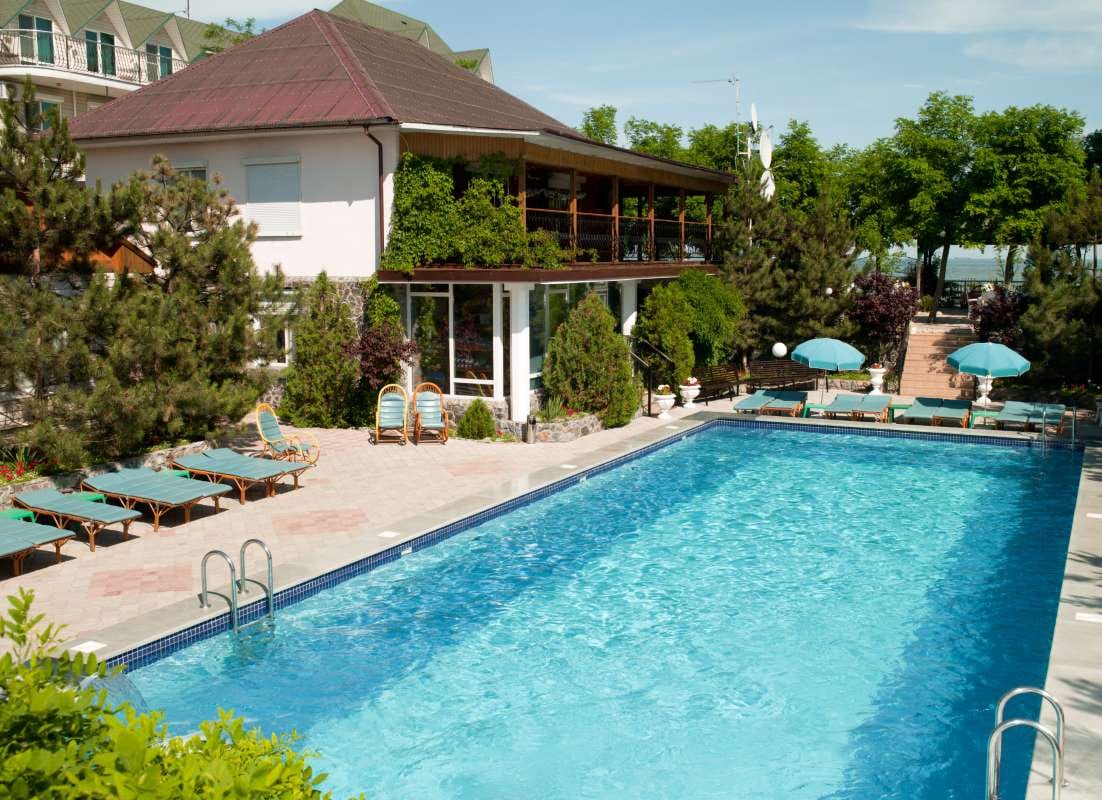
📌 Key Takeaway: Heavy storms push rain, debris, and runoff into pool water, which shifts pH, lowers sanitizer strength, and can trigger algae if the water is not tested and corrected right away.
Heavy storms change pool chemistry fast because they add water, contaminants, and temperature swings all at once. Rain can dilute sanitizer, runoff can bring in dirt and organic material, and colder water can slow the chemistry that normally keeps a pool stable. The result is not just cloudy water. It is a pool that can irritate swimmers, strain equipment, and turn into a cleanup job if the owner waits too long.
The fix starts with understanding what changes first. pH, alkalinity, chlorine, and clarity often move together after a storm, but they do not always move in the same direction or at the same speed. That is why a storm response should never be guesswork. Test the water, identify what shifted, and correct the chemistry in the right order.
Storms also show how weather drives service demand in real time. In Tampa, Florida, daytime highs are averaging 85°F this week and peaking near 92°F, according to Open-Meteo on October 12, 2026. Heat like that keeps pool water active and makes it more likely that a storm’s impact will show up fast in the chemistry. For pool operators, that means the cleanup window starts immediately, not after the water has had time to settle.
Why Storms Knock Pool Chemistry Off Balance
Heavy rainfall does more than top off a pool. It introduces a new water source with a different chemical profile, and it often brings physical contamination with it. Rainwater is naturally acidic because of dissolved carbon dioxide, so a hard storm can lower pH and weaken the water’s buffering capacity. When runoff enters the pool, it can also carry soil, leaves, fertilizers, and other debris that change the water’s load and make the sanitizer work harder.
That extra contamination matters because pool chemistry is a system, not a single reading. If the water gets overloaded with organic material, chlorine gets used up faster. If the pH drops, sanitizer becomes less efficient and metal parts can be stressed. If the water gets colder, the normal pace of chemical reaction slows. A storm can create all of those conditions in one event, which is why the after-storm response has to be quick and organized.
In a place like Tampa, that pressure is even more obvious during stretches of warm weather. On October 12, 2026, Tampa’s forecast kept highs in the mid-80s and near 92°F, which means pools stay active and chemistry problems show up fast after a storm. Heat does not cause the imbalance by itself, but it makes the effects easier to see and harder to ignore.
A practical example makes this easy to see. Picture a backyard pool after an afternoon downpour. The water level rises, the skimmer pulls in leaves and dirt, and the owner notices the water looks dull by the next morning. Even if the pool looked “fine” right after the rain, the added debris and dilution can leave the sanitizer too weak to keep up. By the time the owner sees visible algae at the steps or on the tile line, the chemistry has already been drifting for hours. Quick testing after the storm would have caught the problem before it spread.
How pH Changes After Heavy Rain
pH is usually one of the first numbers to move after a storm. Pool water should stay in a controlled range so swimmers stay comfortable and sanitizer works properly. When rainwater enters the pool, it can push the pH downward and make the water more acidic. That creates two problems at once: swimmer comfort drops, and pool surfaces and equipment face more corrosion risk.
Low pH can irritate eyes and skin, but the bigger concern is what it does over time. Acidic water can be rough on heaters, pumps, ladders, and metal fittings. It can also make plaster surfaces and grout more vulnerable. A single storm will not destroy equipment, but repeated swings add wear. That is why pH should be checked after any heavy rainfall instead of being left until the next routine service visit.
Alkalinity matters here as well. It acts like a buffer that helps keep pH from swinging sharply. When alkalinity is in range, the pool can absorb some of the storm’s effect without a dramatic chemistry crash. When it is low, pH moves more easily and the water becomes harder to stabilize. After a storm, the right response is to test both numbers together and correct the buffer before chasing the pH alone.
Why Chlorine Drops So Quickly During a Storm
Chlorine is the pool’s main defense against bacteria and algae, and storms can weaken that defense in several ways. First, rainwater dilutes the sanitizer already in the pool. Second, the debris that enters the water consumes chlorine as it breaks down. Third, cloudy water reduces circulation and filtration efficiency, which slows down the pool’s ability to recover.
That is why a pool can look only slightly off after a storm but still have weak sanitation underneath the surface. The water may not smell right, the clarity may fade, or the pool may begin to show hints of algae near shaded areas. In those conditions, a sanitizer reading that used to be adequate can suddenly become too low for the load in the water.
Shock treatment is the standard response when chlorine has been depleted. It gives the pool a stronger sanitizer dose so the system can recover and break down the contaminants brought in by the storm. The important part is timing. Shocking works best after debris has been removed and circulation is running, because the cleaner the water is when treatment begins, the faster the chlorine can do its job. Stabilizer can also help protect chlorine from sunlight in the days after the storm, especially in bright climates where UV loss happens quickly.
Why Algae Shows Up After Storms
Algae grows when a pool loses control of sanitation, circulation, or both. Storms create the conditions algae likes: nutrients from runoff, lower sanitizer levels, cloudy water, and in many cases poor circulation because the pool is overloaded with debris. Once algae starts, it spreads fast. Green tinting, slippery surfaces, and staining around steps or corners are all signs that the water chemistry has already slipped too far.
The best defense is to stop the conditions that feed algae before they turn into a bloom. That means brushing surfaces so algae cannot cling to walls and tile, vacuuming out debris, and cleaning the filter so water can move freely again. Circulation matters because sanitizer only protects what it can reach. Stagnant corners, shaded walls, and areas with poor flow are where problems usually start first.
This is also why storm cleanup should not be limited to chemical adjustment. A pool can have the right numbers on paper and still struggle if leaves, soil, and organics are sitting in the water. The physical cleanup and the chemical correction need to happen together. If one is ignored, algae has a way of finding the gap.
What to Do Right After the Storm
The fastest way to recover pool water after heavy weather is to follow a simple order. Start with testing, then remove debris, then correct chemistry, and finally restore circulation. That sequence keeps the water from getting treated blindly and prevents wasted chemicals.
Test the water as soon as it is safe to do so.
Check pH, alkalinity, and chlorine together.
Remove leaves, dirt, and other visible debris.
Shock the pool if sanitizer has been diluted or the water looks stressed.
Adjust pH and alkalinity with the appropriate chemicals.
Brush walls, steps, and the waterline.
Vacuum the bottom if debris has settled.
Run filtration long enough to clear the water and distribute the treatment.
That process works because it addresses the storm’s effects in the same order they happened. Debris is removed before it keeps consuming sanitizer. Buffering is corrected before pH is pushed around again. Circulation is restored so the treatment reaches the whole pool instead of just the return jets. The more quickly that sequence starts, the less likely the pool is to turn into a larger problem.
Storm Recovery Looks Different in Florida and Texas
Local weather patterns shape how often pool chemistry gets hit, and the response can look different by state. In Florida, frequent summer storms can dump a large amount of rain in a short window, which means pool water often needs quick correction after heavy downpours. A Tampa pool can go from clear to out of balance fast, especially when stormwater brings in debris and pushes sanitizer out of range. On October 12, 2026, Tampa’s daytime highs were still running hot enough to keep service demand steady, which is one reason storm cleanup shows up so quickly in the field.
In Texas, the pattern is often different but just as demanding. High heat can already put pressure on sanitizer levels, and storms can arrive with wind, runoff, and sudden temperature change. In Houston, that combination can leave a pool cloudy and loaded with organic material even if the water looked stable earlier in the day. The point in both states is the same: storm response is part of normal pool management, not an exception.
These regional examples matter because they show why good service depends on consistency. A pool route that covers the right area and gets serviced on schedule can absorb storm-related swings better than scattered service with long gaps. That is one reason pool routes remain a solid business. Weather creates work, but it also creates repeat demand for reliable service.
Why Fast Testing Protects the Pool and the Business
Storms do not just create a water problem. They create a timing problem. The longer the pool stays untested, the more likely small chemistry shifts turn into algae, staining, corrosion, or cloudy water that takes longer to clear. Fast testing protects the pool because it catches the shift while the fix is still simple. It also protects the service business because it reduces emergency cleanup calls and keeps customers confident that the pool is under control.
That is especially important for operators who build pool routes in storm-prone areas. When weather turns, the service company that responds quickly looks dependable. The one that waits ends up doing more corrective work for the same pool. Good route density helps here because nearby stops make it easier to respond without losing a day to travel. That is a practical advantage, not a theory.
The bigger lesson is straightforward. Heavy storms are not random chaos for pool owners. They are a predictable source of chemistry drift, and predictable problems can be managed. With testing, cleanup, and the right correction order, the water comes back into balance. That routine keeps pools safe, keeps equipment healthier, and keeps pool service work steady through the seasons.
If you are building or expanding a pool service business, storm cleanup is one more reason reliable pool routes matter. They create recurring work, keep technicians close to their stops, and give operators a clear system for handling weather-driven demand.
Related: Pool Routes for Sale
Related Articles
- Advanced Water Chemistry: ORP and Other Key Metrics
- Ethical Bribes: Offering Free Water Chemistry Tests to New Leads
- Florida vs. Nevada: Differences in Water Chemistry Issues
- How Automation Helps Balance Water Chemistry in Hot Climates
Further reading
For broader context on small-service-business operating conditions, the SBA 7(a) loan program (current monthly cycle, October 2026) continues to support acquisitions, expansions, and equipment investment for service businesses including pool routes and lawn-care operations.