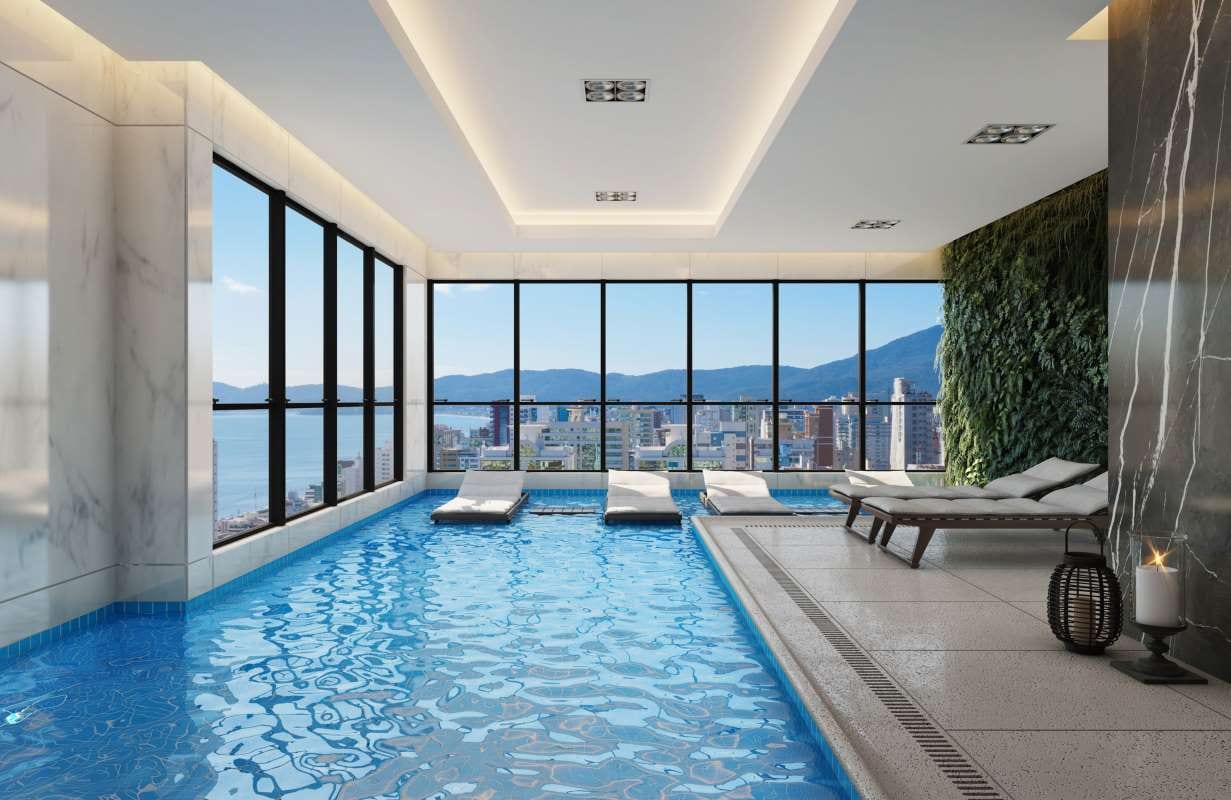
📌 Key Takeaway: Gym and exercise pools need tighter water care, stronger circulation, and more frequent inspection because heavy use puts more stress on chemistry, equipment, and safety.
Gym and exercise pools serve a different purpose than a backyard pool. They support rehabilitation, structured workouts, swim training, and daily foot traffic from members who expect clean water and reliable performance. That heavier use changes everything. The water gets contaminated faster, equipment works harder, and small problems turn into service issues sooner. Care has to match the load.
The CDC documented 208 recreational-water-illness outbreaks from 2015 to 2019, which shows how quickly a pool can become a public health problem when operators lose control of sanitation. The point for facility managers is simple: most pools avoid becoming a case study because someone stays ahead of chemistry, circulation, and inspection.
A good example is a therapy pool in a fitness center that sees back-to-back classes all afternoon. One session may not look like much on paper, but repeated use adds sweat, lotions, and body oils to the water. If staff only checks chemistry occasionally, the sanitizer can drift, the water can feel off, and members notice it right away. The pool still looks full, but it no longer performs like a healthy facility asset. That is why gym pools need a maintenance plan built around use, not convenience.
Understanding the Unique Demands of Gym Pools
Gym and exercise pools are not maintained on the same schedule or with the same expectations as residential pools. Their use pattern is more intense, more predictable, and more concentrated. People enter the water for exercise, recovery, and training, which means the pool is exposed to more contaminants and more wear in less time.
That starts with water balance. pH, alkalinity, and sanitization all need to stay in range so the water remains comfortable and safe. When those levels drift, swimmers feel it. Skin irritation, cloudy water, and algae growth are all common signs that the pool is not being managed closely enough. The standard pH range of 7.2 to 7.8 matters because it helps keep sanitizer effective and protects user comfort.
The CDC’s healthy swimming guidance dated December 31, 2019, reinforces what operators already know: small lapses in water care can create bigger problems fast. In a gym pool, that means chemistry is not a background task. It is the core control that keeps the facility usable.
Filtration is just as important. A gym pool needs a system that can handle frequent use and the debris that comes with it. Filters, pumps, and circulation equipment should be checked often because they work harder in high-traffic environments. If circulation weakens, water quality drops fast. That can lead to complaints, repairs, and in the worst case, temporary closure.
Water Quality Management Protects the Facility
Water quality is the foundation of a safe gym pool. If the chemistry is off, every other part of the operation becomes harder to manage. Clear water is not enough. Managers need to monitor chlorine levels, pH, and turbidity on a regular schedule so they can catch problems before they spread.
This matters because poor treatment creates health risk. Bacteria and other pathogens can multiply when the pool is not balanced and sanitized correctly. For a fitness center, that can mean recreational water illnesses, member complaints, and damage to the facility’s reputation. Once members associate the pool with discomfort or poor hygiene, trust is hard to rebuild.
The CDC documented those 208 outbreaks over the 2015 to 2019 period for a reason: water quality failures are not rare theory. They are operational failures that show up when sanitation, circulation, or user control slips. Gym pools have to be managed so they never reach that point.
The stakes are even higher in pools used for rehabilitation or athletic training. Those users depend on the water for recovery, mobility, and performance. If the water stings, smells too strong, or feels cloudy, the experience becomes harder on the body and less useful overall. Advanced treatment systems such as UV sanitation or ozone can support water quality while reducing chemical load, but they still need monitoring and upkeep.
Records matter here too. Regular testing logs and treatment notes help staff spot trends, verify compliance, and respond quickly when conditions change. Good records turn maintenance into a managed system instead of a reaction to complaints.
Regular Inspections Keep Small Problems Small
Inspection is not a side task in a gym pool. It is part of the job. The pool itself, the equipment room, and the surrounding deck all need routine attention because high use exposes weak points faster than a low-traffic pool would.
Staff should look for cracks, worn surfaces, failing seals, pump problems, heater issues, and missing safety equipment. These are not cosmetic details. A small surface defect can turn into a bigger repair if water intrusion or chemical exposure continues. A weak pump or heater can affect both water quality and user comfort. Safety equipment has to be present and usable, not just stored somewhere nearby.
A preventive schedule makes the difference. Seasonal deep cleaning, deck inspections, and planned repairs reduce surprise downtime. That matters in a fitness facility because pool closures affect memberships, class schedules, and member satisfaction. Preventive work costs less than emergency response, and it keeps the pool available when people expect it to be open.
Staff training supports the same goal. When employees know how to recognize early warning signs and follow basic maintenance steps, they help protect the pool every day. They also react faster when something breaks or when a safety issue appears.
Good Maintenance Habits Extend Pool Life
The most effective maintenance plans are simple, consistent, and tied to actual usage. Gym pools do not need gimmicks. They need disciplined routines that keep chemistry stable, equipment clean, and users informed.
Regular water testing should be part of the daily routine. That keeps chemical levels from drifting too far between checks and gives managers a clearer picture of how the pool behaves during busy periods. Filtration should match the pool’s load, and the system should be cleaned or replaced according to manufacturer guidance. A filter that is too small or poorly maintained will always struggle in a high-use setting.
User behavior also affects pool health. When members shower before entering the water and stay out when they are ill, they reduce the amount of contamination the pool has to handle. Clear signage and simple rules help reinforce that expectation. The pool stays cleaner, and staff spend less time fighting avoidable water-quality problems.
Equipment quality matters too. Better pumps, monitoring tools, and maintenance equipment make the job easier and reduce the chance of avoidable breakdowns. Safety drills do the same for people. They prepare staff to respond quickly if there is an accident, a chemical issue, or equipment failure. Good habits build a pool that lasts.
Specialized Training Makes the Difference
Maintenance staff need more than general cleaning skills. Gym and exercise pools require people who understand water chemistry, treatment systems, and safety procedures in a high-use environment. Without that knowledge, staff can miss early warning signs or overcorrect a problem and make it worse.
Specialized training should cover water balance, sanitation methods, equipment inspection, and emergency response. It should also address the realities of a busy facility. A staff member who understands how load changes water quality during peak periods is more useful than someone who only knows how to follow a checklist. Certification programs can strengthen that knowledge and give facilities a higher standard to work from.
Training also supports team culture. When staff know they are responsible for the pool’s condition, they pay closer attention to detail. That leads to fewer mistakes, better communication, and lower turnover because employees feel more capable in their roles. A trained team protects both the pool and the business that depends on it.
Gym Pools Reward Consistency, Not Shortcuts
The best gym pools are not the ones with the fanciest features. They are the ones that stay clean, balanced, and ready for use because someone manages them with discipline. High-use pools punish neglect quickly. They also reward operators who stay ahead of chemistry, filtration, and inspection needs.
That is the larger lesson for fitness facilities. A gym pool is not a decorative amenity. It is an operating asset that supports memberships, training, rehabilitation, and customer experience. When it is cared for properly, it adds value to the facility every day. When it is not, it becomes a liability.
The same principle applies across pool service work. Operators who understand how different pools behave can build better routes, deliver stronger service, and maintain client trust longer. For those looking to grow in the pool service business, Pool Routes for Sale can be a practical way to explore opportunities and understand how a service company scales with the right systems in place.
Gym and exercise pools are steady business when they are maintained with the right standards. They need more attention than a typical residential pool, but they also create dependable value for facilities that take care of them correctly.