📌 Key Takeaway: Expanding into neighboring counties reduces concentration risk by spreading revenue across more than one market, improving route density, and giving pool service owners more ways to absorb local slowdowns.
Neighboring-county expansion works because it takes pressure off a single territory. A pool service business tied to one county lives and dies by that county’s housing turnover, weather patterns, and local competition. Add the next county over, and the business gets more places to generate revenue without forcing a complete change in operations. The result is steadier cash flow and a wider base for future growth.
For pool service companies, this is not abstract strategy. It is a practical way to build a business that can keep moving when one area gets softer. A route in one county may slow during a stretch of heavy storm cleanup, while a nearby county continues to perform normally. That kind of balance matters. It keeps one local problem from becoming a business-wide problem.
The Financial Advantages of Expansion
The first advantage of neighboring-county expansion is simple: more territory creates more opportunities to bill. Pool service is a recurring revenue business, so every additional route can add predictable monthly income. When those accounts are spread across nearby counties, the company is less exposed to the ups and downs of any one local market. That spread matters even more when a service company is still small and every route carries real weight.
This is one reason many operators look at pool routes for sale instead of trying to build every account one at a time. Buying pool routes gives a business a faster path to revenue than starting with an empty calendar. It also shortens the ramp-up period, which helps offset the risk of entering a new area. In practical terms, a route in a neighboring county can start contributing cash flow while the owner is still building out the rest of the territory.
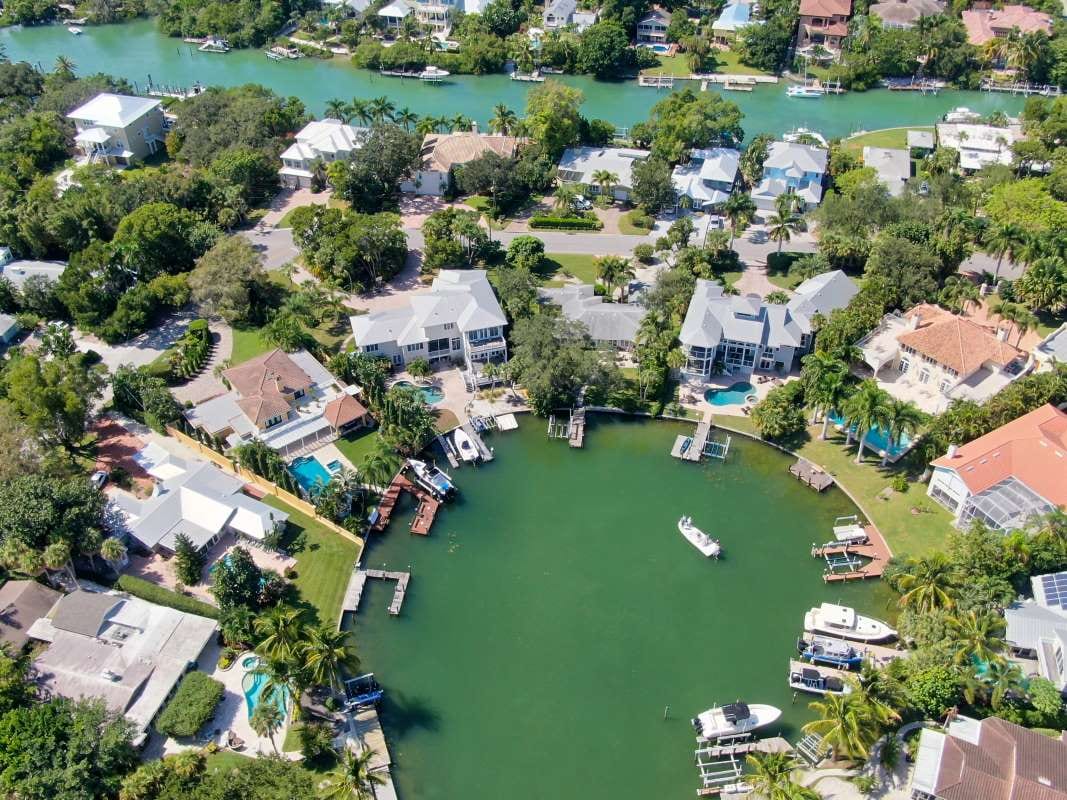
Take Sarasota, Florida as an example. A company based just outside the county line can expand into nearby neighborhoods without opening a separate branch or changing its entire operating model. The work is still pool service. The difference is that the business now has another county contributing to the monthly total. If one area slows because of local construction timing, weather disruptions, or changing homeowner demand, the second county helps keep revenue moving.
Texas adds another layer to that logic because operating costs can shift with energy prices. The EIA retail electricity data for Texas residential customers was 16.39¢/kWh in March 2026, up 0.98¢ from the prior month. That kind of move does not change the core economics of a route, but it does remind owners that overhead is easier to manage when revenue is spread across more than one county. Route density still does the heavy lifting, but a broader footprint gives the company more room to absorb cost pressure.
California shows the same principle from another angle. The EIA retail electricity data for California residential customers was 33.35¢/kWh in March 2026, up 0.13¢ from the prior month. In a higher-cost market, small efficiency gains matter more. That makes neighboring-county expansion even more useful when the added territory can be serviced without creating long drives or wasted time.
Arizona adds another useful reminder. The Census ACS 2024 profile puts Arizona’s median household income at $79,964, which helps explain why some neighborhoods support steady recurring service while others need more careful route planning. The Census profile dated December 31, 2024 is a good reference point when an owner is comparing counties and deciding where the next route should fit. Income alone does not make a market good, but it gives owners a cleaner way to judge whether a new county can support recurring pool service without constant price pressure.
That is the financial logic behind diversification. A business that depends on one county has one revenue engine. A business that serves two or more counties has more than one. If a single market softens, the others can carry more of the load. That does not eliminate risk, but it lowers concentration and gives the owner more room to respond without panic.
There is also a margin effect. When neighboring counties are close enough to service efficiently, the owner can add revenue without adding a proportional amount of overhead. That makes the expansion more attractive than distant growth. The goal is not just to collect more accounts. The goal is to add accounts that fit into the existing operation without driving up fuel, drive time, or administrative complexity.
Leveraging Customer Bases
Expansion works best when it adds accounts that already fit the company’s service model. Pool routes give owners that advantage. Instead of trying to convince every prospect from scratch, the business enters a new county with accounts already attached to a defined service pattern. That lowers acquisition risk and creates a more predictable starting point.
A strong customer base matters because it reduces the uncertainty that usually comes with entering a new market. A company that starts from zero has to spend time on visibility, sales, and trust-building before revenue becomes consistent. A pool route changes that equation. The accounts are already in place, the billing rhythm already exists, and the owner can focus on service quality instead of chasing every lead.
That said, not every county behaves the same way. Homeowner expectations, equipment preferences, and service frequency can shift from one area to the next. A county with a large share of newer homes may have different filtration systems, salt equipment, or water chemistry patterns than an older neighborhood with more traditional pool setups. The owner who pays attention to those differences can keep retention high and spot issues before they become costly.
Here is where neighboring-county expansion becomes especially useful. It gives the business room to learn from one market and apply those lessons to the next. If one county responds well to tighter communication around service windows, that lesson can carry into the next county. If another county has customers who care more about speed of response after a storm, the business can adjust its playbook without abandoning its core model. That flexibility improves retention and gives the owner a stronger foundation for long-term cash flow.
One concrete example makes this clear. A pool company serving a dense county near a growing metro area may notice that customers in the neighboring county expect faster turnaround after debris-heavy weather. Instead of treating that as a separate business challenge, the owner can adjust route scheduling and technician coverage to match the new market. The accounts still generate recurring billing, but the company serves them in a way that fits local expectations. That kind of adaptation is what turns a route from a simple list of stops into a durable asset.
Arizona’s income data fits this same point. A county expansion plan works better when it reaches neighborhoods that can support recurring service without constant price pressure. With Arizona’s median household income at $79,964 in the Census ACS 2024 profile dated December 31, 2024, owners can better judge where a route may fit cleanly and where the service mix may need more care. That is not about chasing every dollar; it is about matching the route to the market. The Census profile gives owners a factual starting point before they commit.
Operational Efficiency and Resource Allocation
Geographic expansion only lowers risk when it improves how the business runs. Neighboring counties help because they allow the owner to increase service area without stretching the operation too thin. When routes are clustered, technicians spend less time driving and more time completing work. That improves productivity, reduces waste, and makes payroll easier to manage.
Route density is the key concept here. A company with scattered stops across a wide region burns fuel and time. A company that adds the next county over can often keep routes compact enough to preserve efficiency. That matters in pool service because every extra minute on the road is a minute not spent on service, sales follow-up, or problem resolution. Better density also makes it easier to absorb small shocks in the schedule, such as a weather delay or a last-minute equipment issue.
Technology strengthens that advantage. Scheduling software, billing tools, and route planning systems help owners organize work across more than one county without losing control of the day. Instead of manually guessing where each technician should go, the company can match routes to geography and workload. That reduces overlap and helps service teams stay consistent even as the business grows.
Texas shows how those operational details and overhead costs can work against each other. The EIA reported residential electricity at 16.39¢/kWh in March 2026, up 0.98¢ from the prior month. In a market like that, a route that is already tight on drive time and scheduling has a better chance of absorbing higher overhead than one that is stretched across a wide area. The EIA retail electricity data makes the point clearly: disciplined routing matters when operating costs move.
California reinforces that point too. Residential electricity was 33.35¢/kWh in March 2026, up 0.13¢ from the prior month, so efficiency has to carry more weight. A neighboring-county plan works best when it adds revenue without forcing the company to waste time between stops.
This is also where operational flexibility becomes valuable. A business that works in multiple counties can experiment with routing patterns, service frequencies, and staffing assignments while still protecting the overall company. If one county needs tighter morning routing and another works better with clustered afternoon stops, the owner can test and refine the schedule. That kind of adjustment is harder when the whole company depends on one local area and one way of doing business.
There is a second efficiency benefit that often gets overlooked. Adding neighboring counties creates more options when the business needs to rebalance work. If one area temporarily slows, the owner can redistribute coverage without rebuilding the entire route structure. That makes the company less fragile. It also means the business can grow in measured steps instead of making one oversized leap into unfamiliar territory.
For pool service owners, that practical stability is worth more than flashy expansion. A company that can serve multiple counties with disciplined routing and controlled overhead is easier to manage, easier to scale, and better positioned to handle seasonal swings.
Strategic Marketing Insights for Expansion
Marketing changes when the company crosses county lines, but the core idea stays the same: speak to the market you are trying to serve. Each county has its own mix of neighborhoods, homeowners, and local buying habits. A message that works in one area may fall flat in another. Expanding to neighboring counties gives the business a chance to sharpen its message without losing focus.
Localized marketing works because it feels relevant. Homeowners respond to businesses that understand the area, know the common service issues, and show up where people already spend time. For a pool service company, that can mean community involvement, referrals from real estate professionals, neighborhood outreach, or targeted online ads aimed at the right zip codes. The method matters less than the precision. Broad advertising wastes money. Localized marketing builds trust.
Digital marketing is especially useful when entering a nearby county. Search ads, service-area pages, and location-specific content can help a company appear where homeowners are already looking. That gives the business a foothold before a competitor has time to react. It also supports the route-building process by generating leads in areas that fit the company’s geographic plan. A strong presence in Collin County, Texas, for example, can help a pool service provider stay visible in a market where residential growth continues to create demand for ongoing service.
Community relationships matter too. Homeowner associations, neighborhood groups, and local events can create a stronger reputation than a generic ad ever could. Pool service is a trust business. People are inviting a company onto their property on a regular basis. The more familiar the brand feels, the easier it is to win and keep that work. A county expansion plan that ignores local trust-building leaves money on the table.
The point is not to market everywhere at once. The point is to match the marketing footprint to the service footprint. If a route is being built across neighboring counties, the promotion should follow that same pattern. That keeps the business coherent and makes the expansion easier to manage from the first month.
Mitigating Risks through Research and Adaptation
Risk goes down when expansion is planned, not rushed. Before entering a neighboring county, the owner needs to know what the market looks like, how the competition behaves, and what kind of demand exists for pool service. That research keeps the business from buying into a bad fit. It also helps the owner choose counties that support the route structure instead of fighting it.
The most useful research is practical. Look at neighborhood density, housing types, driving patterns, and the mix of pool equipment common in the area. A county with tight residential clusters will support route density better than one with long gaps between homes. A county with a steady stream of new development may offer different opportunities than one with older housing stock and more predictable maintenance needs. Those details matter more than broad assumptions.
Compliance also needs attention. Counties and cities can differ in licensing expectations, zoning rules, and business requirements. A company that expands without checking those details can create avoidable delays. The best operators treat compliance as part of the expansion plan, not as an afterthought. That keeps the move clean and prevents legal friction from turning into operational friction.
Adaptation matters after entry, not just before it. Customer preferences can shift, and weather patterns can influence service needs from one county to the next. A company that stays alert can adjust scheduling, communication, and service frequency before small issues grow into larger ones. That responsiveness lowers risk because it keeps the business close to the market instead of locked into assumptions.
This is where neighboring counties make sense as a risk strategy. The company is not making one giant bet on an unfamiliar territory. It is extending into a nearby area with enough shared characteristics to keep the operation manageable. That reduces uncertainty while still creating room to grow.
Building a Support Network for Success
No expansion works well in isolation. A business entering neighboring counties needs people who understand the local landscape and can help the owner make better decisions. Support networks reduce mistakes, speed up problem-solving, and give the company more confidence when it crosses into a new area.
That network can include other business owners, local chambers of commerce, accountants, attorneys, and service-industry peers. It can also include people who understand pool routes specifically. The right guidance helps an owner avoid common mistakes, from choosing the wrong territory to underestimating how route design affects profitability. Good advice saves time, and time is one of the biggest costs in any service business.
For pool service entrepreneurs, working with experienced brokers can also help identify the right pool routes for sale in a neighboring county. That matters because route quality affects everything that comes after the purchase. A route that fits the company’s geography, staffing, and service style will be much easier to integrate than one that looks attractive on paper but creates scheduling headaches in practice. Superior Pool Routes helps buyers in Florida and Texas build routes that fit their goals, which gives owners a more controlled path into new counties.
Arizona buyers often apply the same filter at the neighborhood level. A county with stronger household income can support cleaner route planning, while one that sits below the owner’s target may demand a different service mix. That is why the Census ACS 2024 median household income figure of $79,964, dated December 31, 2024, is useful: it gives owners a factual starting point before they commit to a new area. It is a simple benchmark, but it helps ground the decision in real market data instead of guesswork.
Training and warranty support matter here as well. A buyer entering a neighboring county benefits from knowing there is a process behind the transition. pool route training helps the owner and team understand how to manage the new area without guessing, and the 60-day warranty adds a layer of protection while the operation settles in. Those supports reduce the downside of expansion and make the move more practical for first-time buyers and growing companies alike.
A stronger support network also improves decision quality over time. The owner gets feedback from the market, from the crew, and from trusted advisors. That makes the business more adaptable and more durable. Expansion stops feeling like a gamble and starts looking like a controlled growth plan.
Neighboring-county expansion works because it adds reach without forcing the business to lose focus. It spreads revenue across more than one market, improves route efficiency, and gives the owner more ways to absorb local volatility. For pool service companies, that is a solid way to grow. The right county adds stability, the right route adds cash flow, and the right support makes the move sustainable.
Related: Sarasota, Florida