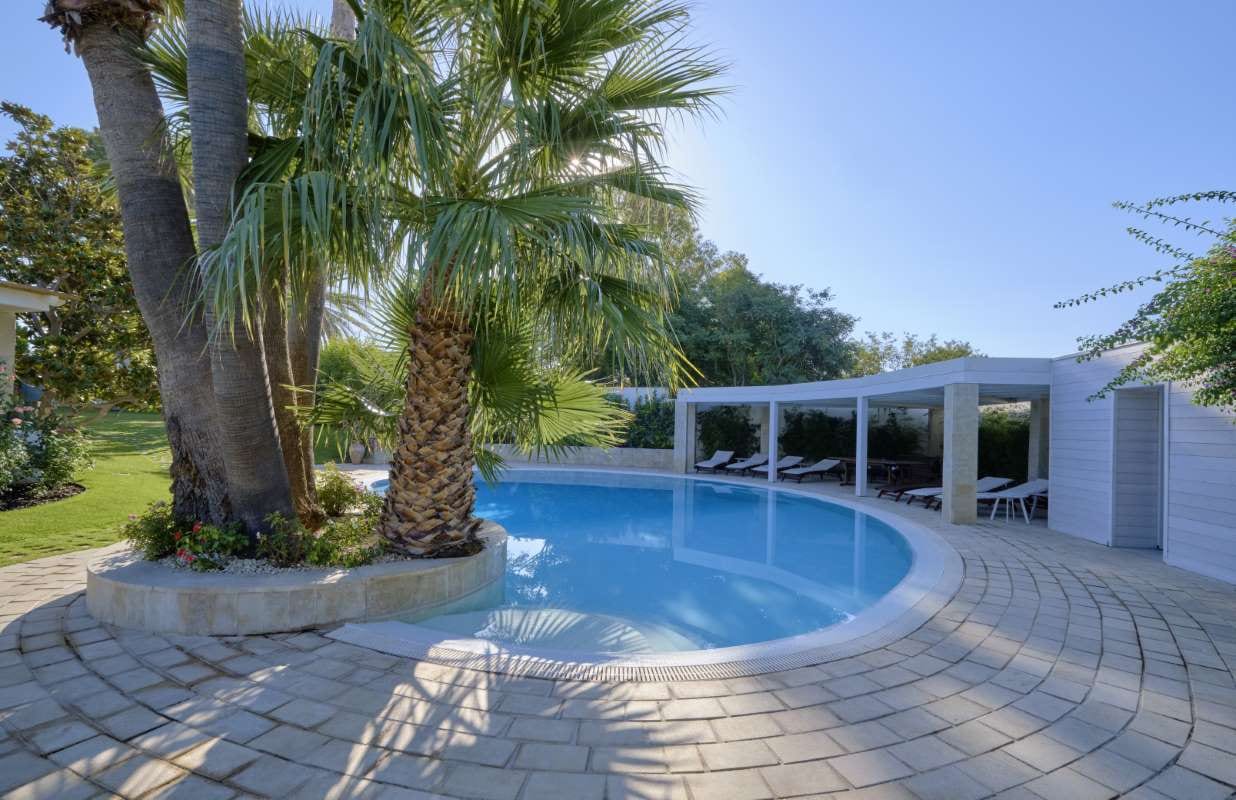
📌 Key Takeaway: Commercial-style standards are moving into residential pools because homeowners want safer water, stronger equipment, and fewer surprises, and those expectations are now shaping how pools are built, serviced, and sold.
Residential pools used to be treated as simple backyard amenities. That view is changing. Today, owners expect the same discipline they would want in a commercial setting: safer access, clearer maintenance practices, better filtration, and equipment that lasts. Builders and service companies are responding because the cost of poor workmanship shows up fast in a home environment.
That shift matters for more than compliance. It affects how pools are designed, how they are maintained, and how buyers judge a home. A pool that looks fine on the surface can still fail if the circulation is weak, the safety features are thin, or the equipment was chosen only for the lowest upfront price. Commercial-style standards push the market toward better decisions.
In Arizona, that pressure connects directly to household budgets and buyer expectations. The Census ACS 2024 put Arizona’s median household income at $79,964, according to data.census.gov dated December 31, 2024. In that kind of market, buyers are not just looking for a pool that exists; they want one that feels durable, safe, and worth the operating cost.
Why Residential Pools Need Stronger Standards
Residential pools are now central to daily life in many homes, not just decorative features. Families use them often, guests use them more casually, and children treat them as part of the house’s routine environment. That makes consistency important. A pool that is used frequently needs more than occasional attention. It needs standards that keep safety and water quality from drifting.
The main reason commercial-style practices are being adopted is simple: residential pools face many of the same risks as commercial ones, even if the traffic level is lower. Water chemistry still has to stay balanced. Circulation still has to move debris and sanitize effectively. Gates, alarms, fencing, and covers still matter because a backyard pool can become dangerous in seconds if access is uncontrolled. When those safeguards are treated as optional, problems usually arrive as repairs, closures, or preventable accidents.
This is also where technology changes the conversation. Modern pools often include automation, variable-speed pumps, smart heaters, and remote monitoring tools. Those systems can improve performance, but only if they are selected and installed with care. A commercial mindset helps because it focuses on repeatable performance, not just appearance on opening day. The result is a pool that works better over time, not just a pool that photographs well.
A real-world example makes the point clear. A homeowner installs a pool with a powerful pump, a basic filter, and no strong safety controls because the package is cheaper. At first, the water looks fine. After a few months, debris builds up faster than the system can handle, the chemistry swings from one extreme to another, and the family starts calling for emergency service instead of scheduled maintenance. The initial savings disappear into extra labor, chemical correction, and equipment wear. A commercial-style approach would have favored better circulation, stronger access protection, and a maintenance plan from day one. That is why the standard is spreading: it prevents the expensive problems that follow weak planning.
Improved Safety and Longer Equipment Life
Safety is the clearest benefit of bringing commercial-style standards into residential pools. A home pool should be designed around control, visibility, and response time. That means barriers that actually keep young children out, alarms that work when the gate opens, and water features that do not create hidden risks. It also means clear depth markers, proper lighting, and layouts that make supervision easier. These are not luxury additions. They are basic protections.
The same logic applies to maintenance. Commercial pools are expected to stay open through constant use, so the equipment is selected and maintained with durability in mind. Residential pools benefit from that same discipline. When a homeowner uses quality pumps, filters, heaters, and plumbing components, the system is less likely to fail under ordinary stress. That does not eliminate maintenance, but it reduces the frequency of breakdowns and helps the pool hold up through seasonal swings and heavy use.
Longevity comes from reducing strain before it builds up. A system that runs with weak filtration or poor circulation has to work harder to keep the water clear. That extra burden shortens the life of pumps, motors, seals, and filter media. The owner may not notice the damage immediately, but it adds up. Commercial-style standards solve that by treating the pool as a system, not a collection of separate parts. Each component has to support the next one.
That mindset also changes repair decisions. Instead of replacing the cheapest part over and over, the owner chooses equipment and materials that hold up longer and make service easier. Over time, that usually means fewer emergencies, fewer nuisance calls, and less disruption for the family. A safe pool is valuable, but a safe pool that keeps working season after season is the real payoff.
Market Trends and Buyer Expectations
Homebuyers are paying closer attention to pool quality than they used to. A pool is no longer judged only by shape, size, or curb appeal. Buyers look for signs that the system has been maintained properly and that the home will not come with immediate pool problems after closing. Safety features, equipment quality, and visible care now influence value.
That matters because buyers want fewer unknowns. If a pool has a clean equipment pad, sensible safety controls, and a clear maintenance record, it signals that the owner has taken the rest of the property seriously too. If it looks neglected, buyers assume repairs are waiting around the corner. The pool becomes a negotiating point, not a selling point. Commercial-style standards help a seller avoid that outcome by making the pool easier to trust.
Real estate professionals see this pattern in practical terms. Buyers often respond better to pools that appear ready for use and easier to manage. They do not want to inherit a system that needs immediate redesign, major safety upgrades, or recurring service calls. That is why homeowners who plan to sell should think beyond decoration. A pool that operates like a well-run system has more market value than one that only looks impressive in listing photos.
Arizona highlights that point because the market has to support both comfort and operating cost. When household income sits at a level like the Census ACS 2024 figure, buyers tend to weigh whether a pool is a true asset or just another maintenance line item. That makes reliability part of the sale itself, not just a feature tucked into the listing.
The trend also affects new homeowners with children. Parents pay attention to access control and visible safety features because those details change how comfortable they feel using the pool every day. A fence, an alarm, and reliable lighting do not make the property feel restrictive; they make it feel manageable. That is a major reason commercial-style standards keep gaining ground. They make the home easier to live in, not harder.
Practical Applications and Best Practices
Adopting commercial-style standards does not require turning a residential pool into a commercial property. It means applying the same discipline to the essentials. The first priority is routine inspection. Homeowners should treat the pool as a system that needs regular review, not something to check only when it looks dirty. Equipment leaks, failing seals, weak circulation, and safety gaps are easier to correct early. Waiting until the water turns cloudy or the pump fails costs more and creates avoidable stress.
Equipment choice comes next. A pool that runs on bargain components may work for a while, but the long-term expense usually shows up in repairs and replacements. Quality filtration, reliable heating, and properly sized pumps are worth the investment because they support better water quality and reduce wear. Commercial-style standards favor equipment that matches the job instead of equipment that merely fits the budget.
Family education is just as important as hardware. A pool can only be as safe as the people using it. Children need simple, repeated rules. Guests need to know where emergency equipment is stored. Adults need to understand supervision, gate discipline, and what to do when something looks wrong. Safety works best when it is built into habits, not just installed on the deck.
Physical safety features should reinforce those habits. Fences, self-closing gates, alarms, and covers create layers of protection that make mistakes less likely to turn into emergencies. Those layers matter because pools are often used in casual settings where attention drifts. A strong safety setup closes the gap between good intentions and real-world behavior.
The same practical approach applies to water care. Balanced chemistry is not just about keeping the water comfortable. It protects surfaces, equipment, and swimmers. If sanitation is neglected, the pool becomes harder to maintain and more expensive to restore. If circulation is weak, even good chemicals will not do their job well. Commercial-style standards work because they make those relationships visible and manage them on purpose.
For pool service professionals, this creates a higher bar and a better opportunity. Owners increasingly want service that is organized, preventive, and easy to understand. That favors companies that communicate clearly, show up consistently, and solve problems before they turn into emergencies. In other words, the market is rewarding disciplined service, which is exactly what commercial-style thinking produces.
The Role of Pool Business Brokers
Pool business brokers matter because this shift in standards affects not only homeowners but also the companies that serve them. Buyers who want to enter the industry need routes and systems that can support higher expectations from the start. Superior Pool Routes works in that space by building pool routes for owners who want to enter or expand in the pool service business. Since 2004, the focus has been on helping buyers move into territory with a route structure that can be serviced efficiently and grown with discipline.
That matters because a route is only as strong as the service model behind it. If the accounts are scattered, the day becomes inefficient. If the route density is better organized, the operator can absorb fuel costs, labor time, and scheduling changes more effectively. Commercial-style standards reinforce that same idea: the goal is not just to have more pools, but to run them in a way that supports quality and consistency. The business becomes easier to manage when the service model is built to scale.
Buyers also benefit from the clarity that comes with a broker who understands the service side. A first-time owner needs to know what the route requires, how the billing works, and how the service load fits the territory. An existing company expanding into a new area needs the same kind of clarity, just with a different operating context. That is where training and support matter. They reduce confusion and help the operator start with a cleaner process.
If you are comparing options, it helps to review Pool Routes for Sale with the same mindset you would use for any serious service investment. Look at the territory, the density, and the practical workload. A strong route is not just a list of stops. It is a workable business structure that supports steady service and long-term customer satisfaction.
What This Means for Homeowners and Service Companies
Commercial-style standards are not a temporary trend. They reflect how people now expect pools to perform. Homeowners want fewer surprises. Buyers want safer properties. Service companies want systems they can maintain without constant rework. Those interests all point in the same direction: better standards, better equipment, and better planning.
For homeowners, the lesson is straightforward. A pool should be built and maintained as if reliability matters, because it does. Safety features should be treated as core components. Equipment should be chosen for performance and durability, not just price. Maintenance should be regular and deliberate, not reactive. When those habits are in place, the pool becomes easier to own and easier to enjoy.
For service companies, the opportunity is just as clear. Customers who expect commercial-style quality will reward operators who can deliver it. That means better scheduling, cleaner communication, stronger inspection habits, and more attention to the systems behind the water. The companies that adapt will stand out. The ones that do not will spend more time fixing avoidable problems.
The broader market is moving toward accountability. That is good for homeowners, good for service professionals, and good for the long-term value of pool ownership. Residential pools are not becoming commercial properties, but they are being judged by commercial-style expectations. That shift improves safety, protects equipment, and supports the kind of consistency that makes pool ownership worthwhile.
The strongest outcome is also the simplest: better-built pools are easier to trust. When a homeowner can count on the water, the safety features, and the equipment, the pool becomes a long-term asset instead of a recurring headache. That is why these standards are taking hold, and why they are likely to remain part of the industry for years to come.