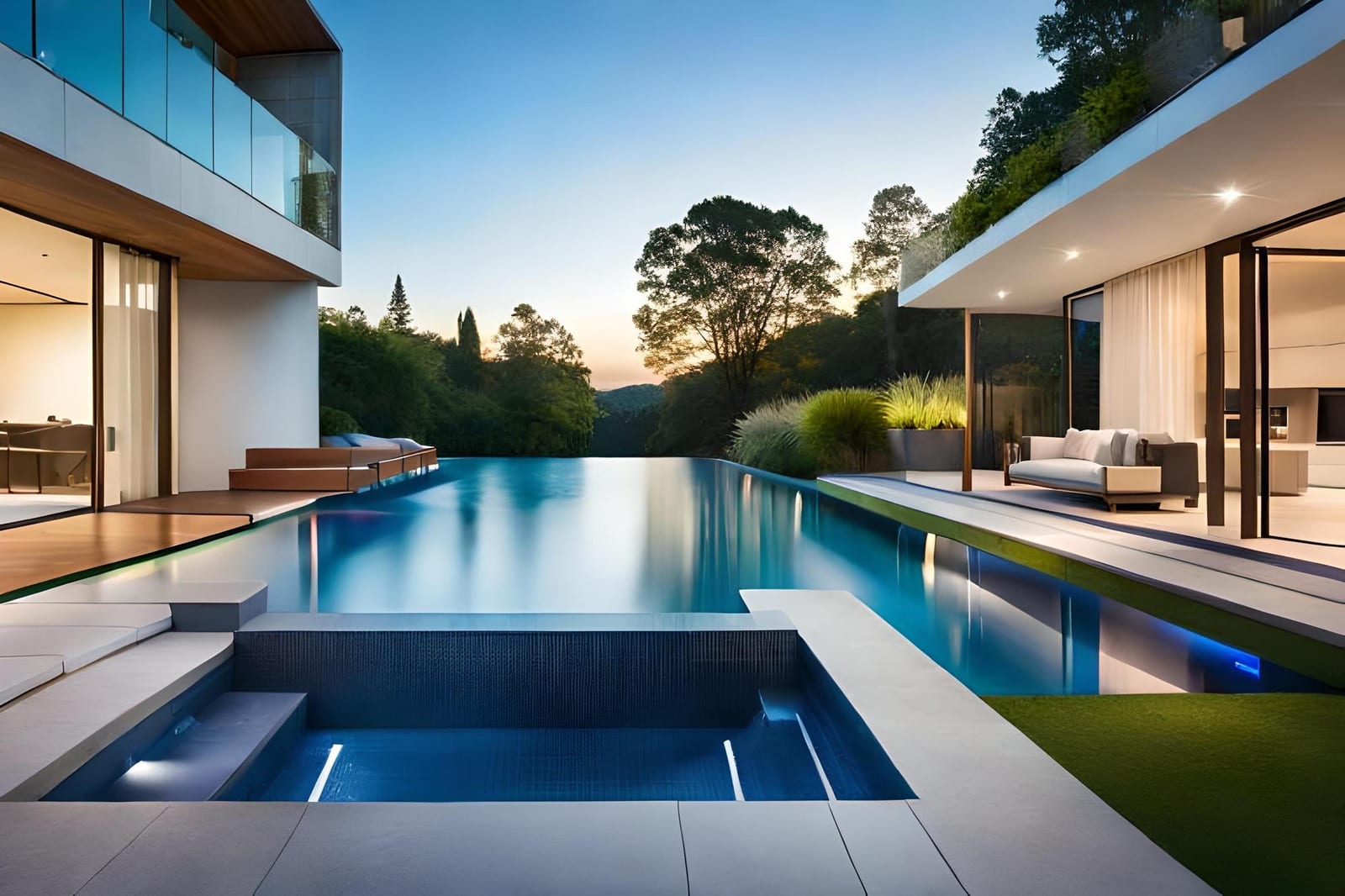
📌 Key Takeaway: Backyard landscaping affects pool health by changing how much debris, runoff, shade, and heat reach the water, which directly affects cleaning time, water balance, and swimmer safety.
Backyard landscaping and pool health are tightly connected. Plants, soil, drainage, and hardscape choices all affect how often a pool needs skimming, brushing, vacuuming, and chemical adjustment. Good landscape planning keeps debris out, controls runoff, and reduces strain on the pool system. Poor planning does the opposite.
A pool does not sit apart from its surroundings. It sits inside a yard that sheds leaves, moves water, traps heat, and channels dirt. That means every tree, bed, walkway, and slope near the pool changes what the owner has to deal with later. The right layout makes the pool easier to maintain. The wrong one turns simple maintenance into a constant cleanup cycle.
Small business owners also think about the money side of maintenance and upgrades. The SBA 7(a) program continues to fund small-business acquisitions across service industries, including pool businesses. The SBA 7(a) loan program page dated October 1, 2026, shows how owners keep expanding without draining cash flow. That matters because a cleaner, lower-maintenance yard supports a more predictable pool route and a more stable service operation.
The Role of Plant Selection
Plant choice has the most immediate effect on pool cleanliness. Trees, hedges, flowers, and ornamental grasses all behave differently once they are placed near water. Some drop leaves all year. Some release pollen, seeds, or petals in bursts. Others attract insects or shed bark and needles that clog skimmers and collect in baskets. Every one of those materials ends up in the pool or on the deck.
The safest approach is to think about what each plant will do over time, not just how it looks on day one. A plant that looks perfect near a pool in spring can become a maintenance problem by summer if it drops debris every afternoon. Trees with heavy leaf drop, flowering plants that shed petals, and shrubs that grow wide enough to hang over the water all increase cleaning work. The pool may still look attractive, but the owner pays for that look in extra labor and chemical use.
Native and low-maintenance plants are usually the better fit because they are better adapted to the local climate and typically need less water and less aggressive care. That matters near a pool. Frequent watering creates more soil movement, and constant trimming creates more organic debris. A well-chosen planting bed does not have to be barren. It just needs to be predictable. Plants that stay compact, shed lightly, and tolerate heat or drought reduce the mess that reaches the water.
Placement matters as much as the plant itself. Even a well-behaved plant becomes a problem if it sits too close to the pool edge. A little distance gives leaves and petals a chance to fall into the bed instead of the water. It also makes trimming easier and keeps roots from crowding the hardscape. In some yards, a low stone border or decorative wall works better than dense greenery because it creates a clean edge between the landscaped area and the pool zone.
A useful rule is simple: if a plant needs constant cleanup around the pool, it is too close to the pool. That does not mean the yard should be stripped of greenery. It means the landscape should support the pool instead of fighting it. That same logic applies when owners plan financing for improvements. The SBA 7(a) page dated October 1, 2026, makes clear that the program still supports service-business growth, which helps owners cover upgrades that reduce long-term maintenance.
Soil and Water Management
Soil behavior around the pool can cause as many problems as plant debris. Loose soil, poor grading, and overwatering all increase the chance that sediment, fertilizer, and other materials wash into the water. Once that happens, the pool can turn cloudy, filters have to work harder, and chemical balance becomes harder to hold.
Runoff is the main issue. If the yard slopes toward the pool, rain and irrigation water carry dirt with it. That dirt does not disappear. It settles on the deck, enters the water, and builds up in filter systems. Fertilizer and pesticide runoff create a second layer of trouble because they can interfere with water chemistry. What starts as a healthy-looking yard can quickly become a source of contamination if the soil is not managed correctly.
One practical solution is to shape the yard so water moves away from the pool. Contouring the land, using raised garden beds, and installing clear drainage paths all help keep runoff under control. These adjustments do not need to be dramatic. Even a small change in grade can keep irrigation water from draining straight toward the pool edge. That is especially important in yards with tight spaces where the pool sits close to landscaped beds.
Mulch also needs to be used carefully. It helps hold moisture and suppress weeds, but if it is spread too loosely or placed on a slope that drains toward the pool, it can migrate into the water. Soil, mulch, and fertilizer all behave differently after a heavy rain. A landscape that looks tidy in dry weather can become a mess after a storm if water has nowhere to go.
This is where a real-world example makes the point clear. A homeowner may plant a row of flowering shrubs beside the pool and water them heavily with a sprinkler system. The shrubs look great for a season, but the sprinkler oversaturates the bed, sends muddy water downhill, and leaves a fine layer of sediment in the shallow end after every rain. The pool owner then has to vacuum more often and rebalance the water after each cleanup. A raised bed with a better drainage path would solve the problem before it starts.
Permeable surfaces help too. Pavers that allow water to move through the surface reduce standing water and cut down on muddy splashback near the pool. That matters because standing water does more than look bad. It tracks dirt, softens soil edges, and makes it easier for debris to get kicked or washed into the pool. Good drainage is not just a landscaping detail. It is part of pool maintenance.
Shade and Temperature Control
Shade changes how a pool performs throughout the day. Trees, pergolas, and shrubs can lower heat and reduce evaporation, which helps keep water more comfortable and cuts down on refill needs. In hot yards, that can make a major difference in how often the pool loses water and how pleasant the area feels for swimmers.
But shade also has a tradeoff. Too much cover slows the sun’s effect on the water and can leave the pool cooler than desired. Dense shade can also make it easier for organic material to stay damp and break down near the waterline. That creates more cleanup and can contribute to water quality problems if debris sits too long in skimmers or corners.
The goal is balance. A pool benefits from partial shade in the right places, especially where swimmers need relief from heat and where deck surfaces get uncomfortably hot. At the same time, the pool still needs enough sun exposure to support normal chemical performance and keep the area from feeling damp and enclosed. This is especially important around heavily planted yards where shade can build up quickly as trees mature.
Thoughtful trimming helps. A tree that provides useful shade in one season can become a maintenance problem the next if its canopy grows too wide over the pool. Pruning keeps light and air moving through the space. It also reduces the amount of leaves, flowers, and twigs that end up in the water. Shade should serve the pool, not bury it.
Artificial shade can help fill gaps without adding debris. Umbrellas and shade sails provide control without creating leaf drop or root issues. They also let the owner place shade where it is needed most, such as over seating areas or one section of the deck, while keeping the water itself easier to manage. That flexibility is valuable because it avoids some of the long-term problems that come with planting large trees too close to the pool.
The Impact of Hardscaping
Hardscaping shapes how the whole yard functions. Patios, walkways, retaining walls, edging, and decorative stone all affect drainage, traffic flow, and cleanup around the pool. When hardscape is done well, it keeps dirt out of the water and gives the yard a cleaner, safer layout. When it is done poorly, it creates puddles, runoff, and rough transitions that make maintenance harder.
Drainage is the first issue to get right. Surfaces that hold water or tilt toward the pool increase the chance that sediment will move into the water after rain or washing. That is why permeable pavers, gravel beds, and properly graded patios matter. They help water move away from the pool instead of collecting where people walk and where debris can be stirred up. A dry, stable deck is easier to keep clean and much safer for swimmers.
The shape of the hardscape matters as well. Narrow strips of concrete with planting beds pressed directly against the pool edge often become traps for soil and leaves. Wider walkways and clean borders create a buffer zone. They make it harder for debris to reach the water and easier for the owner to blow, sweep, or rinse the area without pushing dirt into the pool.
Retaining walls can be useful when a yard slopes toward the pool. They hold back soil and create level planting zones that reduce erosion. In the right setting, they also make the backyard feel organized instead of crowded. That organization has a maintenance benefit. A pool area with clear edges, raised beds, and controlled slopes is easier to service because there are fewer places for dirt to collect.
Planters built into hardscape can also help. They allow greenery near the pool without putting root systems and loose soil right at the edge. That creates a cleaner visual frame around the water and limits how much plant matter falls directly into the pool. The key is to think of hardscaping as a support system for the pool, not just decoration.
Incorporating Technology for Maintenance
Technology can make landscaping and pool care easier to manage together. Irrigation controls, soil sensors, robotic cleaners, and automated chemical systems all reduce the number of small problems that pile up when the yard and pool are not managed as one system.
Smart irrigation is especially useful. Overwatering is one of the fastest ways to create runoff and muddy conditions near the pool. A timed sprinkler that runs too long will soak the soil, move mulch, and carry loose material toward the water. Smart controls reduce that risk by delivering water only when the landscape needs it. Soil moisture sensors go one step further by helping the owner avoid watering a bed that still holds enough moisture from the last cycle or the last storm.
The benefit is practical. A yard that gets the right amount of water stays more stable. Stable soil means less erosion. Less erosion means less dirt in the pool. That is a direct line from irrigation planning to pool water quality.
Pool maintenance tools help on the other side of the equation. Robotic cleaners remove debris before it breaks down and clouds the water. Automated chemical dispensers help hold balance when the pool is exposed to changing debris loads from nearby plants. These tools do not replace good landscaping decisions, but they make the system more forgiving. If the yard sheds more than expected after wind or weather, the pool has a better chance of staying in control.
The best result comes from combining the two. A smart irrigation system protects the landscape from overwatering, and pool maintenance technology handles the debris that still makes it into the water. That combination keeps the backyard usable and reduces the chance that maintenance will spiral out of control during peak season. Owners who pair these systems with smarter backyard planning usually see cleaner water and fewer avoidable service problems.
Best Practices for Sustainable Landscaping
Sustainable landscaping supports both the yard and the pool because it is designed to use fewer resources and create less waste. Around a pool, that usually means choosing plants that fit the climate, reducing excess water use, and keeping the landscape tidy enough that debris does not constantly enter the water.
Native and drought-resistant plants are a strong choice because they generally need less irrigation and less intervention. That lowers the chance of runoff and soil movement, which protects pool water quality. These plants also tend to be better suited to local heat, wind, and seasonal changes, so they are less likely to fail and drop large amounts of material into the pool area.
Regular upkeep matters just as much as design. Even the best landscape will create problems if it is left unmanaged. Pruning, sweeping, leaf removal, and bed cleanup should happen before debris reaches the water. Once organic material enters the pool, it breaks down and puts more pressure on filtration and chemicals. Preventing that buildup is always easier than fixing it later.
Mulch can still be part of a sustainable design, but it should be contained and monitored. It helps reduce weeds and stabilize moisture, yet it can also move when irrigation is heavy or when storms hit. Keeping mulch in defined beds with clear edging helps it stay where it belongs. That makes the landscape look better and keeps more loose material out of the pool.
Rain gardens and bioswales are also useful when a yard needs a better runoff plan. These features capture water, slow it down, and let it filter naturally before it reaches the pool zone. They work best when the yard has a real drainage problem, but even in simpler layouts they can reduce the amount of sediment moving across the property. That makes them a smart long-term investment in pool health as well as landscape health.
Sustainability is not only about saving water. It is about building a backyard that stays clean and manageable through heat, storms, trimming, and everyday use. When the landscape is designed with that goal in mind, the pool benefits immediately.
Backyard landscaping has a direct effect on how well a pool stays clean, balanced, and safe to use. Plant selection controls debris. Soil management controls runoff. Shade affects temperature and evaporation. Hardscaping shapes drainage and traffic flow. Technology helps reduce mistakes and smooth out the workload. Each piece matters because a pool is part of the yard, not separate from it.
The best outdoor spaces are designed with maintenance in mind. They look good, but they also perform well after wind, rain, and repeated use. That is the real value of thoughtful landscaping around a pool: less wasted effort, fewer water problems, and a backyard that stays ready for use.
For pool service companies and entrepreneurs who want to grow in a steady, practical business, the same discipline applies. Good systems create cleaner results and more predictable work. If you are looking to expand, explore pool routes for sale and see how a well-built route can support long-term growth.