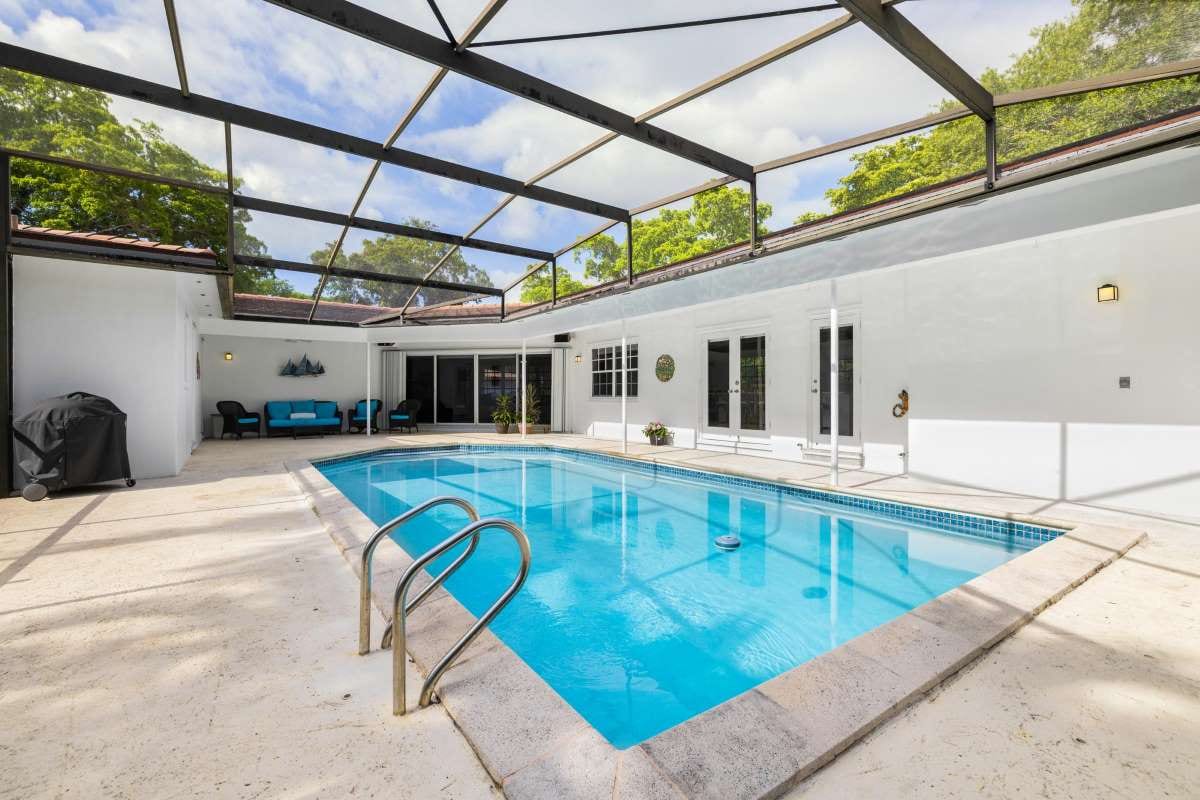
📌 Key Takeaway: Arizona’s heat, sunshine, and long swim season keep pool routes active all year, which makes the state a strong place to build a steady pool service business.
Arizona gives pool service companies a simple advantage: the weather keeps pools in use, and used pools need care. That means brushing, vacuuming, chemistry checks, filter service, and equipment inspections do not stop when summer ends. In much of the country, pool work slows with the seasons. In Arizona, the calendar stays full because the climate never gives pool owners a reason to ignore maintenance for long.
Arizona’s customer base also has the income to support regular service. The Census ACS 2024 reported a median household income of $79,964 in Arizona, according to Census data dated December 31, 2024. That matters because recurring pool service depends on homeowners and property managers who can keep paying for consistent care.
That steady demand is the real story behind pool routes in Arizona. A route is not just a list of stops. It is a repeatable service business built around recurring work in neighborhoods, resorts, apartment communities, and hotels. When the climate supports year-round pool use, the route stays productive year-round too. That is why Arizona continues to attract both first-time operators and existing companies looking to expand into new territory.
Arizona Weather Creates Constant Service Demand
Arizona weather does more than keep people comfortable outdoors. It keeps pools active. Hot temperatures push homeowners and property managers to use their pools often, and frequent use creates immediate service needs. Dirt, debris, sunscreen, algae pressure, and equipment wear all build up faster when a pool gets heavy use. Service work becomes routine, not optional.
Sunlight matters too. Pools exposed to strong sun lose chlorine faster, and water chemistry drifts more quickly when heat and UV exposure stay intense. That means technicians have to stay on top of balancing and monitoring. Skipping a week can turn into cloudy water or a corrective visit. In a climate like Arizona’s, consistency is part of the business model.
The state’s spread of residential communities, resorts, and hotels also supports route density. Pool service companies are not limited to one narrow customer type. A route can include backyard pools in suburban neighborhoods, shared pools in condo communities, and commercial properties that need dependable service schedules. That variety helps keep routes full and reduces reliance on any single account type.
One practical example makes this clear. A pool owner in Phoenix may run a spa or backyard pool almost every week of the year because the weather supports outdoor living. If that pool is serviced every seven days, the technician is not just cleaning debris. They are managing evaporation, balancing chemicals, checking pumps, and making sure the system is ready for another week of use. That same account remains valuable in January and July because the work never truly stops.
For operators, that creates a stable base. Arizona weather does not just support pool use. It supports repeat service, and repeat service is what gives a pool route its value.
Why Year-Round Pool Routes Work So Well in Arizona
A year-round route has one major advantage: predictable demand. When the weather keeps pools active through every season, operators can plan labor, fuel, supplies, and scheduling with more confidence. That predictability is valuable for both new owners and growing companies.
Revenue stability is one of the biggest benefits. A route that stays busy in winter carries less seasonal risk than a business built around a short busy season. In Arizona, that matters because pool owners still need their water balanced and their equipment checked even when temperatures cool. The job changes slightly, but it does not disappear.
Lower seasonality also makes growth easier to manage. When work is spread across the year, operators do not need to scramble to add capacity for a short seasonal surge and then cut back later. They can build a stronger service rhythm, train staff more effectively, and keep routes tight enough to protect efficiency. That kind of structure helps a business scale without losing control.
There is also a practical buying advantage. If you are looking at pool routes for sale in Arizona, you are evaluating more than just account count. You are looking at a service pattern that benefits from climate. A route with strong density in a market like Arizona can produce steady work without the stop-and-start pattern that hurts many service businesses in colder states.
This is where Superior Pool Routes fits in. Since 2004, the company has built pool routes to the size and territory the buyer needs. That gives operators a way to enter the market with structure instead of trying to piece together accounts on their own. The model is straightforward, and in Arizona, it lines up well with the climate-driven demand.
The Pool Route Business Model Is Simple, But Execution Matters
The pool route model works because it turns recurring service into a structured business. The owner handles a defined set of accounts on a regular schedule, and each stop fits into a route plan. The business is built on repeat visits, consistent service, and clear communication.
Account acquisition is the starting point. Rather than spending months trying to build a client list from scratch, an operator can begin with a route built around the territory and workload they need. That saves time and gives the business a real foundation from day one. It also makes it easier to forecast routes, workload, and monthly billing.
Route management comes next. Once accounts are in place, the operator has to keep the business running smoothly. That means mapping efficient driving patterns, servicing each stop on schedule, tracking chemical needs, and handling customer questions promptly. In Arizona, efficiency matters because heat, sun, and dust can increase the amount of maintenance needed on each visit.
Scaling is where a strong route shows its value. As an owner gets comfortable with the work, the business can expand by adding more accounts, bringing on help, or improving equipment and software. The structure of the route makes that possible because the owner knows what each stop requires and how much time it takes.
Trust is the final piece. Clients want a technician who shows up, does the job correctly, and communicates when something changes. Good service turns a route into a durable business. That is why pool routes in Arizona are not just about weather. They are about operating a disciplined service company in a market that rewards consistency.
What Helps an Arizona Pool Route Succeed
Success in Arizona comes from working the route with discipline. The climate creates opportunity, but opportunity only turns into profit when the business is managed well. Good operators keep the focus on training, organization, service quality, and smart use of tools.
Training matters first. Pool service involves water chemistry, equipment knowledge, and troubleshooting. A new owner who understands these basics can avoid costly mistakes and serve customers with confidence. Superior Pool Routes includes training with every purchase, and that support helps new operators move faster from learning mode to working mode. If you want more detail, you can explore training options.
Technology also improves efficiency. Scheduling software, route planning tools, and digital customer records reduce wasted time and cut down on errors. When a business knows exactly where technicians need to be and what each account requires, the route becomes easier to manage. In a hot market like Arizona, efficiency protects margins.
Customer service drives retention. A pool route is not a one-time transaction. It depends on clients who stay with the business month after month. Clear communication, reliable timing, and consistent results build that loyalty. When customers trust the technician, they are less likely to switch providers over small issues.
Network relationships help too. Local business groups, trade connections, and referrals from other professionals can open doors to new opportunities. Arizona has a broad service economy, and pool businesses that stay visible in their market tend to find more room to grow. A route is strongest when it sits inside a healthy local network.
Operators also need to watch the work itself. Arizona’s environment can be tough on pool systems. Intense sun can wear on equipment, dust can dirty water quickly, and heat can put pressure on chemical balance. The best pool route owners do not treat service as routine in the careless sense. They treat it as routine in the disciplined sense: regular, organized, and done right every time.
Arizona Routes Reward Density and Good Planning
Route density is one of the most important factors in pool service, and Arizona supports it well. When accounts are clustered, technicians spend less time driving and more time servicing pools. That improves efficiency and makes each day more productive. In a state where heat and distance can affect operations, tight routing can make a real difference.
This is also where fuel costs and traffic patterns matter less than they do for scattered service businesses. An operator with dense coverage in Phoenix, Mesa, or another concentrated area can absorb higher travel costs better than a company with long, disconnected drives. The route itself becomes a buffer. That is one reason pool routes remain attractive even when operating costs move up. A well-planned route protects the business better than a loose collection of far-apart stops.
Pricing structure matters too. Superior Pool Routes uses account-based multipliers: 40+ accounts at 6×, 30–39 at 6.5×, and 20–29 at 7× monthly billing. The industry-standard equivalent is 12×. That difference matters because it changes how buyers think about value. A pool route is not just an expense. It is a recurring revenue stream with a practical acquisition cost that reflects the number of accounts and the service territory.
Arizona buyers should also pay attention to territory type. A route built around compact neighborhoods behaves differently from one built around spread-out properties. Dense neighborhoods are easier to manage and usually offer better drive-time efficiency. Resort and commercial work can be valuable too, but it often comes with its own service expectations and scheduling demands. Good planning means matching the route to the operator’s goals and capacity.
The point is simple: Arizona is favorable, but strong routing still wins. Weather creates demand. Density turns that demand into a workable business.
The Future of Pool Routes in Arizona Looks Strong
Arizona’s pool service market has the kind of fundamentals that support long-term business. People continue to move into the state, neighborhoods keep growing, and pools remain part of the lifestyle. That combination keeps demand for maintenance services steady. A pool route that is managed well can remain useful for years because the need it serves does not go away.
Sustainability is also shaping customer expectations. Many pool owners want efficient systems, smarter chemical use, and service practices that reduce waste. Operators who understand modern equipment and offer practical maintenance guidance can stand out without changing the core of the business. The route stays the same; the service quality gets sharper.
Service diversification can add value as well. Some pool companies expand into equipment repair, renovations, or related property services. Those additions can increase revenue, but they work best when the core route is already organized. The main business should stay focused on recurring service because that is what keeps cash flow stable.
Online visibility matters more every year. Customers search locally, compare options quickly, and expect a business to look professional online. A route owner who keeps a clean digital presence, responds quickly, and communicates clearly has a stronger shot at winning and keeping accounts. The market rewards operators who are easy to hire and easy to trust.
Arizona’s climate gives the business a head start, but the real advantage is durability. Pools need care in hot weather, dry weather, and the months in between. That creates a steady operating environment for owners who know how to service the route and run the company with discipline.
Pool routes in Arizona make sense because the market supports repeat work, predictable scheduling, and long-term demand. When the weather keeps pools in use, the business stays active. When the business stays active, the route becomes a dependable asset. That is why Arizona remains a strong place to build a pool service company with real staying power, especially with the training, support, and route-building experience Superior Pool Routes has offered since 2004.