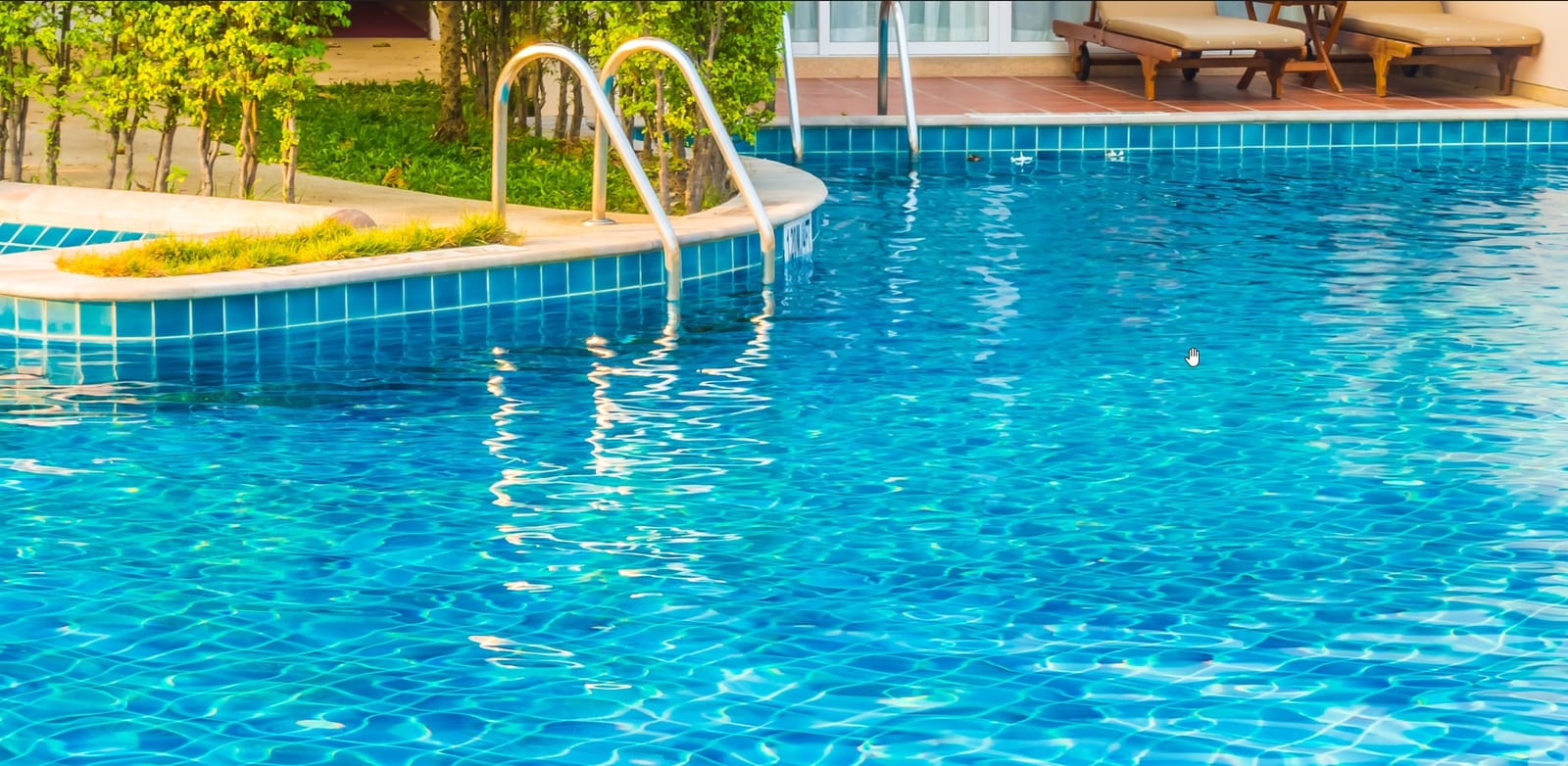
📌 Key Takeaway: Pool algae grows faster in cities with warm water, strong sun, heavy rain, and inconsistent maintenance, so local conditions matter as much as chemistry.
Certain cities create faster algae growth because they stack the same risk factors on top of each other. Heat raises water temperature. Sunlight fuels algae activity. Rain and runoff add nutrients. Poor circulation or skipped service lets all of that sit in the pool long enough for algae to take hold. The result is simple: some markets demand tighter maintenance than others.
That is why this topic matters to homeowners and pool service operators alike. A pool in Phoenix faces a different set of pressures than one in Seattle. A pool in San Antonio can react quickly after storms. A pool in Los Angeles may look clean on the surface while still developing trouble in shaded corners, behind steps, or in low-flow areas. Once you understand the pattern, you can prevent most algae problems before they spread.
Environmental Factors That Speed Up Algae Growth
Climate is the first major driver. Warm weather shortens the time it takes for algae to multiply, and humidity makes the problem worse by keeping conditions favorable for longer stretches. Cities in the southern United States often deal with this year-round, which is why algae prevention cannot be treated as a seasonal task in those markets.
Phoenix is a strong example. The city’s long, hot summers and intense sun heat pool water quickly, and that warmth gives algae a better environment to spread. Pools in open yards also get hammered by sunlight for most of the day, which raises water temperature and encourages algae activity. In a cooler city, the same pool might stay stable longer between visits. In Phoenix, small lapses show up faster.
Miami and Houston face a different but equally difficult combination. Heat and humidity work together to keep algae-friendly conditions in place for long stretches. Water stays warm, evaporation changes chemical balance, and frequent maintenance becomes essential. Seattle sits at the other end of the spectrum, where cooler conditions slow algae growth, but shaded pools and neglected chemistry can still create problems.
Sunlight matters just as much as temperature. Algae thrives in pools that get direct exposure for most of the day because sunlight warms the water and accelerates growth. Shade helps, but it is not a complete solution. A shaded pool can still turn green if circulation is weak or sanitation drops. The real issue is that climate sets the pace, and the pool’s exposure determines how quickly problems appear.
California adds another layer here because high earning power does not remove maintenance pressure. The Census ACS 2024 reported a median household income of $99,122 in California, according to Census data dated December 31, 2024. That supports a strong pool market, but it also means homeowners expect clean water and consistent service in places where sunlight, drought rules, and residential pool density keep standards high.
Chemical Balance and Water Quality
Water chemistry controls whether algae has a chance to get started. pH, chlorine, and alkalinity all affect how well a pool resists contamination. When those levels drift, algae gets a foothold. This is why two pools in the same city can behave very differently. One may stay clear all summer, while the other turns green after a single storm or service miss.
Rain is a common trigger. In San Antonio, heavy rainfall can wash organic material and nutrients into pools. That runoff introduces the conditions algae needs to grow faster, especially if chlorine levels drop afterward. The same pattern shows up in other storm-prone Texas markets. The problem is not rain alone. It is rain combined with dilution, debris, and delayed correction.
A real-world example makes this clear. Picture two backyard pools after a summer storm in Texas. One owner tests the water the next day, restores chlorine, brushes the walls, and clears the skimmer baskets. The other waits a week. By then, the first signs of green film are already on the steps, and the water may be cloudy enough to need more aggressive treatment. The difference is not luck. It is response time. In pool care, fast correction prevents a small imbalance from becoming a full algae bloom.
Chlorine deserves special attention because it does most of the heavy lifting in algae prevention. Low chlorine leaves the pool exposed. Overcorrection can create its own issues for swimmers and equipment. The goal is stable balance, not constant reaction. That is why regular testing matters more in cities with sudden weather swings, heavy use, or unreliable water inputs. Chemistry works best when it is monitored before the water changes visibly.
Maintenance Habits and Pool Location
Maintenance habits determine whether local conditions become a real problem. A city can create extra pressure, but neglect turns pressure into algae. Skipping skimming, brushing, vacuuming, or routine chemistry checks gives algae time to spread. Pools do not fail all at once. They drift, and the drift usually starts with small tasks being delayed.
Los Angeles shows how this plays out in busy residential markets. Many homeowners manage full schedules, and pool care can become reactive instead of consistent. Debris collects, filter performance drops, and the water slowly loses its edge against algae. The pool may still look acceptable from a distance, but the walls, corners, and shaded sections tell the real story. Regular service closes that gap before it becomes a visible cleanup job.
Pool location on the property matters too. Trees add shade, but they also drop leaves, pollen, and organic debris into the water. That material feeds algae and clogs circulation. Pools near landscaping often need more brushing and skimming because debris settles in corners and along steps. Pools in open areas may avoid some of that debris load, but they absorb more sunlight and heat. Every site has a tradeoff, and the maintenance plan should match the exposure.
This is where service quality separates itself. A good maintenance schedule does more than check a box. It adapts to the property. A pool under heavy tree cover needs debris control. A sun-exposed pool needs tighter chemistry and more frequent brushing. An operator who understands those differences protects the pool faster and builds trust with the customer. That is true in any city, but it matters most in markets where algae pressure is constant.
Common Algae Types and Why They Spread
Different algae create different cleanup problems, so identification matters. Green algae is the most common. It often appears as a film on walls, steps, or water surfaces, and it can spread quickly when water is warm and sanitation is weak. In a city like Orlando, where warm weather keeps pools active for long stretches, green algae can move from a minor tint to a visible bloom very fast.
Black algae is more stubborn. It clings to pool surfaces and develops deeper roots than green algae, which makes it harder to remove with surface treatment alone. It usually shows up where maintenance has been inconsistent or where brushing has been neglected. Once it gets into porous or rough surfaces, treatment takes more time and more mechanical effort. That is why black algae often signals a pool that has been under-served for a while.
Humidity compounds the problem. In places like New Orleans, warm air and moisture support faster algae growth if the pool is not serviced regularly. Green algae may appear first, but black algae becomes a bigger issue when the pool is allowed to slide for too long. The chemistry can be corrected, but the surface still needs to be cleaned thoroughly. Algae control is not only about water balance. It is about removing the environment that lets algae stay attached.
Knowing which type of algae is present changes the response. Surface film needs immediate brushing and sanitation. Embedded growth needs deeper treatment and follow-up. That is why local experience matters. A pool service professional who understands the common patterns in a city can choose the right method sooner and save the owner from repeated outbreaks.
Practical Strategies That Actually Work
Good algae control starts with routine work, not emergency cleanup. Skimming debris keeps organic matter from breaking down in the water. Brushing the walls and steps disrupts early growth before it spreads. Vacuuming removes settled material that would otherwise feed more algae. These steps are simple, but they work because they remove the conditions algae depends on.
Testing water chemistry on a regular schedule is just as important. Weekly testing gives owners a chance to catch drift before the pool turns cloudy or green. In high-pressure cities, testing may need to happen even more often during hot weather or after heavy rain. The point is to keep chlorine, pH, and alkalinity in range so the water stays resistant to growth.
Automated pool cleaning systems can help, especially for homeowners who do not have time to stay on top of daily debris. They reduce the load on manual cleaning and improve consistency. That said, automation is not a replacement for chemistry. A cleaner pool still needs balanced water. The best results come when equipment and water care work together.
Algaecides can also play a supporting role during peak season. They are not a substitute for sanitation, but they can add another layer of protection when weather conditions are favorable to algae. Used correctly, they help prevent small problems from becoming visible outbreaks. The key is to treat them as part of a system, not as a fix for neglect.
What Pool Service Operators Should Watch For
Operators who work in algae-prone cities need to think beyond the pool itself. They need to think about how the local environment changes service demand. A market with heavy sun, frequent storms, and dense landscaping will require more consistent visits than a cooler, drier market. That difference affects scheduling, pricing, and customer expectations.
Charleston is a good example of how humid conditions shape service. Pools there can need more attention during peak heat because algae spreads faster when water stays warm and the air stays damp. Operators who plan for that reality can stay ahead of the problem instead of chasing it. The same logic applies in Florida, where seasonal rain and year-round use keep the pressure on service quality.
Pool covers also play a useful role. When a pool is not in use, a cover helps block debris and reduces sunlight exposure. In rainy climates, that matters because debris and runoff are two of the fastest ways to feed algae growth. A cover will not solve every problem, but it gives the owner another layer of defense and helps reduce the frequency of major cleanups.
For operators, the real advantage comes from understanding local conditions well enough to explain them clearly to customers. Homeowners respond when they see the connection between weather, debris, circulation, and chemistry. That education builds better service relationships and makes it easier to sell preventive care instead of emergency recovery.
Technology and the Future of Pool Care
Pool care is getting more precise. Smart systems that monitor water quality in real time give owners faster visibility into changing conditions. That matters in algae-prone cities because problems can appear quickly after a heat wave, a storm, or a missed visit. When the system alerts the owner early, corrective action can happen before the water turns.
Eco-friendly products are also gaining ground, especially in places where water and environmental concerns influence homeowner decisions. San Diego is a strong example of a market where sustainable practices have real appeal. That does not mean algae prevention becomes easier. It means customers want solutions that protect the pool without adding unnecessary chemical load or waste.
Technology will not replace maintenance discipline, but it does improve response time. That is the real advantage. Faster readings, better alerts, and more efficient cleaning tools let operators work with the conditions instead of reacting after the water has already gone off balance. The pools that stay clear are usually the ones with the fastest feedback loop.
That trend benefits both homeowners and service companies. Owners get cleaner water with less guesswork. Operators get a clearer way to prove value through consistent results. In a business built on repeat service, that reliability matters.
Why City Conditions Keep Matter
City-by-city differences in algae growth come down to a few practical forces: heat, sunlight, rain, debris, circulation, and maintenance habits. When those forces line up, algae grows faster. When service keeps them in check, the pool stays stable. The pattern is straightforward, even if the local conditions are not.
That is why strong pool service performs well across a wide range of markets. People still need clean water in hot cities, humid cities, and storm-prone cities. Those conditions do not go away, and they do not solve themselves. A good route built around consistent service stays useful because algae pressure is recurring, not temporary.
For homeowners, the lesson is to stay ahead of the water instead of waiting for visible problems. For operators, the lesson is to build a service plan around the city, not just the pool. When you match maintenance to climate and property conditions, algae has a harder time gaining ground, and the pool stays cleaner for longer.
If you want to build a business around those recurring needs, Pool Routes for Sale is the place to start. Pool routes remain steady because the work is necessary, repeatable, and tied to conditions that do not disappear when the weather changes.
Related: Phoenix
Related: San Antonio
Related: Los Angeles, California
Related: San Diego