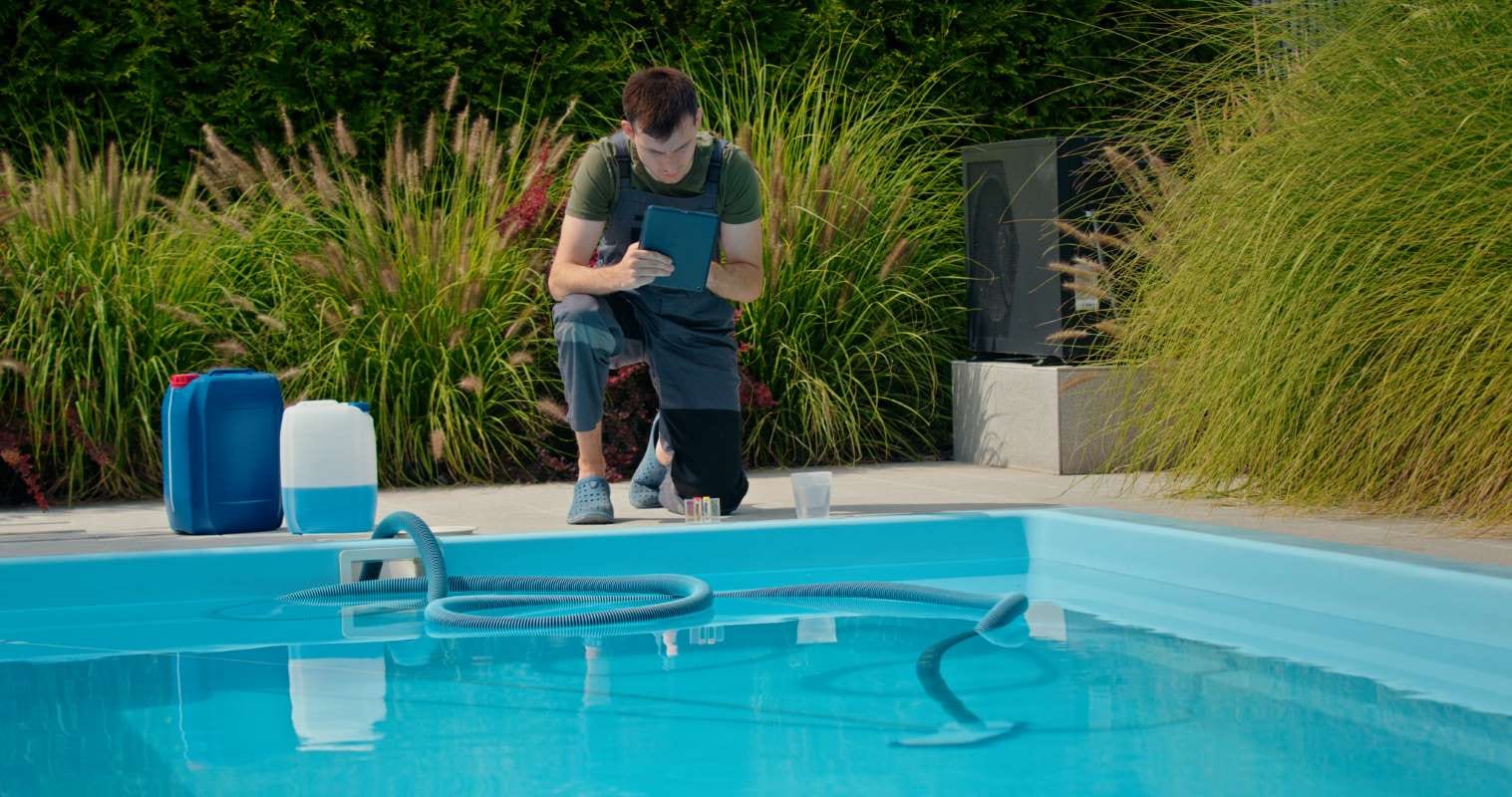
📌 Key Takeaway: Technician GPS data helps Flagstaff pool service companies tighten routes, reduce drive time, and deliver more reliable service without adding unnecessary overhead.
Arizona pool service companies use technician GPS data for one reason: it turns guesswork into routing decisions. When managers can see where technicians travel, where time gets lost, and which neighborhoods take longer to cover, they can build cleaner schedules and keep the day moving. The result is simple. Less time on the road, more time at the pool, and a service operation that feels organized instead of reactive.
Fuel cost makes that discipline even more important. The U.S. average retail diesel price was $5.52 per gallon for the week of May 25, 2026, according to the EIA weekly diesel data. When every unnecessary mile costs more, route density and clean dispatch decisions matter even more in a city like Flagstaff.
Flagstaff creates the kind of routing problem that rewards discipline. Terrain, weather, and customer spread all affect how a day unfolds. A technician can have a full route on paper and still lose time if stops are spaced poorly or traffic patterns are ignored. GPS data gives the business a clearer view of those friction points. It shows where routes can be tightened, where dispatch needs to change, and where a small adjustment can save repeated delays.
That is why GPS data belongs in the same conversation as scheduling, staffing, and customer communication. It is not just a tracking tool. It is a management tool. Used well, it helps a pool service company in Flagstaff run cleaner routes, protect margins, and keep service predictable.
Why GPS Data Matters in Pool Service Management
GPS data changes route planning from a rough estimate into a measurable process. A manager no longer has to rely on technician memory or after-the-fact complaints about traffic. The data shows where the day actually goes, which routes create unnecessary backtracking, and which service areas take more time than they should. That visibility matters in pool service because even small inefficiencies repeat across the week.
In Flagstaff, the value is even clearer because the service area is not uniform. Some neighborhoods are straightforward to cover. Others create longer drive segments or require a different order of stops to stay efficient. GPS data helps managers match the route to the geography instead of forcing technicians to work around a weak plan. When routing improves, the whole business feels the benefit: fewer late arrivals, less wasted fuel, and a calmer schedule.
The same data also gives management a way to evaluate technician performance without relying on assumptions. Travel patterns reveal whether a technician is staying on route, spending too much time between stops, or regularly falling behind in one section of town. That does not just improve accountability. It gives the owner a factual basis for coaching, route changes, and better workload distribution.
How to Implement GPS Technology Without Disrupting Operations
The first step is choosing a GPS system that fits the business instead of chasing features that look impressive on a sales page. The core functions matter most: live location tracking, route history, and reporting that actually helps management make decisions. If the system cannot show where time is being lost, it will not improve operations in any meaningful way.
Once the system is in place, technicians need direct training on how it works and why it matters. If the team treats GPS as a surveillance tool, adoption will be weak. If they understand that it supports better routing, fewer repeat problems, and cleaner communication with customers, they are more likely to use it correctly. The best rollout is practical. Show the team what data is collected, how it is used, and how it helps the route run more smoothly.
Integration matters too. GPS data should not sit in a separate tool that management checks once in a while. It needs to feed the daily decision-making process. When route information, technician movement, and scheduling live in the same workflow, managers can respond quickly when a route starts slipping. A technician who is consistently delayed in one part of Flagstaff may need a different stop order, a lighter load, or a route adjustment. GPS data makes that visible early.
Better Routing Leads to Better Customer Experience
Customers judge pool service by consistency. They want technicians to arrive when expected, finish work on time, and communicate clearly when something changes. GPS data supports all three. When routes are tighter, the schedule becomes more reliable. That matters in Flagstaff, where weather and road conditions can already make the day unpredictable. A cleaner route reduces the chance that one delay cascades into the next.
Communication improves at the same time. Many GPS systems let managers know where a technician is in the day, which makes it easier to give accurate updates instead of vague estimates. That transparency reduces frustration because the customer is not left wondering whether the technician is delayed or simply forgotten. Predictable communication builds trust, and trust is a major part of retention in service businesses.
The point is not to turn every appointment into a tracked event for the customer’s sake. The point is to keep the route organized enough that customer-facing communication becomes easier. When the business knows where technicians are, it can speak clearly and respond faster. That is a direct service advantage, not just a back-office convenience.
A Practical Example of Cleaner Routing in Flagstaff
Consider a Flagstaff pool service company that notices one technician is consistently finishing late on certain days, even though the route looks balanced on paper. The owner checks the GPS history and sees a pattern: the technician is spending extra drive time moving back and forth between stops instead of working through the day in a logical order. The issue is not the technician’s effort. It is the route structure.
Once the stops are reorganized, the route flows better. The technician spends less time crossing town and more time at service locations. The business stops losing time to unnecessary mileage, and the schedule becomes more predictable for the rest of the week. That is the real value of GPS data. It does not just tell you where the truck went. It shows you where the route itself needs to be fixed.
GPS Data Helps Control Costs
Route efficiency affects profit directly. Every mile driven has a cost, and every unnecessary delay reduces the number of pools a technician can service in a day. GPS data helps cut that waste by exposing patterns that are easy to miss in day-to-day operations. A route that looks acceptable in a spreadsheet can still be expensive if it creates too much travel between stops.
Historical GPS data is especially useful because it reveals recurring patterns instead of isolated incidents. Managers can see when certain areas consistently take longer, when staffing needs to shift, and when one route should be split differently. That kind of planning improves fuel use, reduces vehicle wear, and keeps overtime under control. The savings are not theoretical. They come from removing wasted movement from the schedule.
The diesel market adds another reason to watch those miles closely. When fuel stays elevated, route density becomes a direct margin issue, not just an operations preference. Companies that know their drive patterns can protect profit better than companies that only react after costs show up in the books.
There is also a pricing advantage. When overhead becomes more predictable, a company can price work with more confidence. That does not mean cutting rates just to compete. It means knowing the real cost of serving each part of the market and setting expectations accordingly. Better data leads to better margins, and better margins make the business stronger.
GPS Data Works Best When It Supports the Whole Operation
GPS alone will not fix a weak process. It works best when it supports scheduling, customer communication, and technician management at the same time. That is why businesses get the most value when the data becomes part of daily operations instead of a report that gets reviewed occasionally. The goal is not to watch trucks all day. The goal is to build a route that runs cleanly from start to finish.
This is also where accountability improves. If one technician regularly takes a longer path than the others, the data creates a clear starting point for coaching. If a neighborhood consistently causes delays, management can adjust expectations instead of blaming the technician for a route problem. That kind of clarity helps everyone. Technicians know what is expected, and owners know where to focus their attention.
For pool service companies in Flagstaff, that alignment matters. A route that fits the geography, the workload, and the daily schedule is easier to run and easier to scale. GPS data makes that alignment visible.
Where GPS Technology Is Headed Next
The next phase of GPS use in pool service will likely focus on smarter decision-making, not just more tracking. As systems improve, route data will be easier to combine with other operational information, which means businesses can react faster to disruptions and plan around them more effectively. That will matter in places like Flagstaff, where conditions can change quickly and routes need to stay flexible.
Weather-aware routing is one obvious direction. If the system can help managers anticipate disruptions before they affect the day, technicians can be sent where they are needed with fewer surprises. That kind of planning keeps service more consistent and reduces the chance that a bad day becomes a string of missed stops.
The broader point is that GPS data is becoming part of standard route management. The companies that use it well will make faster decisions, keep schedules tighter, and run a more dependable service business. That is exactly the kind of discipline that supports long-term pool route ownership.
Technician GPS data gives Flagstaff pool service companies a clear advantage because it improves the day-to-day mechanics of the business. Routes become cleaner, communication becomes clearer, and management gets the facts needed to make better decisions. In a market where time, fuel, and reliability all matter, that kind of visibility is hard to beat.
For owners and operators building pool routes in Arizona, GPS data is not a luxury feature. It is a practical way to make the route more efficient and the business more durable. That is the real strength of pool route ownership: once the route is organized well, it produces steady service demand and gives the operator room to grow with confidence.
Related: pool routes for sale