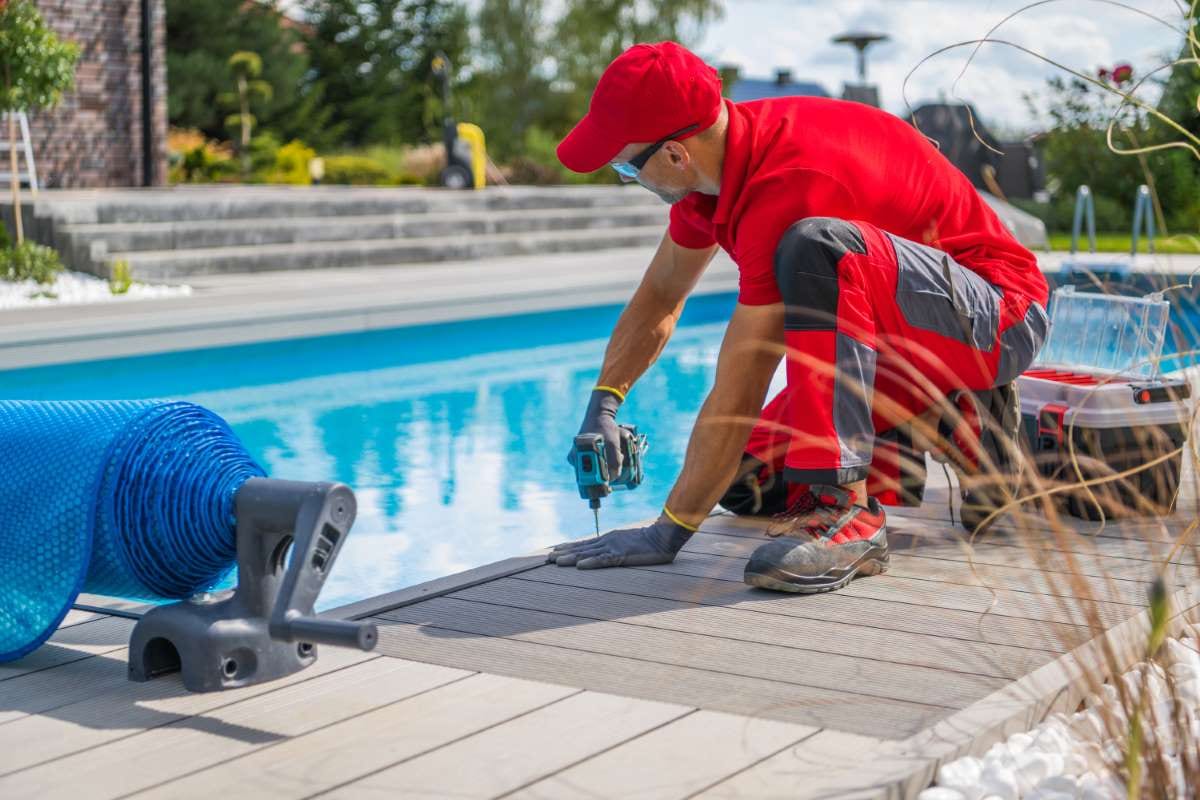
📌 Key Takeaway: Superior Pool Routes training teaches the pool system basics that drive clean water, reliable equipment performance, and efficient service routes.
Pool system functions are the foundation of good pool service. If you understand how circulation, filtration, sanitation, and routine maintenance work together, you can solve problems faster and keep routes running smoothly. Superior Pool Routes uses training to turn that knowledge into practical service skills for new operators and experienced companies alike.
Introduction
Pool service is not just about skimming debris and adding chemicals. A technician needs to know how the full system works, because every part affects the next. Poor circulation can make chemistry unstable. A clogged filter can strain the pump. Missed maintenance can turn a small issue into a service call that takes extra time and hurts route efficiency.
That is why training matters. Superior Pool Routes focuses on the mechanics behind pool care so operators can make better decisions in the field. The goal is simple: understand the system, protect the equipment, and deliver consistent service that supports a stronger business.
Comprehensive Training Programs
Superior Pool Routes offers training in several formats so operators can learn the material in the way that fits their schedule and experience level. The programs are built around real service work, not theory alone. Each one covers the same core idea: when you understand how a pool system functions, you can maintain it with less guesswork and more consistency.
The training ecosystem includes Pool-School, in-field training in Fort Lauderdale, Florida, and Dallas, Texas, virtual training by video call, and structured pathways that move a student from basic maintenance concepts into more advanced system management. That mix matters because pool work is practical. Some lessons are easiest to absorb on video, while others make sense only when you are standing beside the equipment pad and seeing the system operate.
A good example is a pool that looks clean but keeps losing flow. A trained technician does not just add more chlorine and move on. They check the basket, the pressure gauge, the valves, and the filter condition in sequence. That approach saves time, prevents repeat visits, and shows the customer that the problem is being handled professionally. Training creates that habit. It turns a loose set of tasks into a repeatable process.
Energy costs can also change how an operator thinks about the system. The EIA retail electricity data for California residential customers was 33.35¢/kWh in March 2026, which makes efficient pump performance and fewer unnecessary service calls even more important. When every part of the system is working correctly, the route runs cleaner and the technician wastes less time chasing problems that should have been caught early.
Pool-School: Mastering Pool Systems
Pool-School sits at the center of the training program because it gives learners a structured way to study the main parts of a pool system. Video lessons work well for this kind of material. They let the student pause, review, and return to specific topics until the process becomes familiar.
The platform covers water chemistry, filtration, cleaning procedures, and system troubleshooting. It also uses quizzes to reinforce what each lesson teaches. That matters because pool service is detail-oriented. If a technician can explain why pH drifts, how sanitizer demand changes, or what filter pressure tells them, they are more likely to make the right call on the job.
Pool-School is also useful for operators who need to train while working. A new business owner may be learning the trade while still managing route schedules and customer communication. A video-based system makes it easier to fit education into that reality. The result is steady progress without forcing the operator to stop the business in order to understand it.
The value of Pool-School is not only technical knowledge. It helps create confidence. A technician who understands the system can diagnose problems more calmly, explain service decisions to customers, and maintain higher standards across the route.
Hands-On In-field and Virtual Training
Classroom knowledge becomes useful only when it can be applied at the pool. That is why Superior Pool Routes combines hands-on instruction with virtual support. The two formats solve different problems, and together they cover the gap between learning and doing.
In-field training is available in Fort Lauderdale, Florida, and Dallas, Texas. These sessions put the trainee in a real service setting where they can watch the equipment, handle tools, and see how a professional evaluates a pool step by step. That kind of instruction is valuable because many service issues are easier to understand in person than on a screen. A trainee can see how a pump sounds when it is struggling, how a filter behaves when it needs attention, and how a technician moves through a service stop without wasting time.
Virtual training serves a different purpose. It gives learners direct access to instructors through video calls and online materials. That makes it easier to ask questions, review difficult topics, and keep learning without traveling. For operators who are already active in the field, virtual sessions fit around the day instead of interrupting it.
Together, the two formats create a flexible system. A trainee can learn the theory online, confirm the process in person, and then use both to work more efficiently on a route. That combination is especially valuable for pool companies that are expanding into new areas and need their team to learn quickly without losing service quality.
Arizona is a good example of why that flexibility matters. The Census ACS 2024 profile lists Arizona’s median household income at $79,964, according to the Census profile dated December 31, 2024. In a market like that, service businesses still have to protect labor time and avoid preventable return trips. When operators understand the system, they keep the route moving and spend more time on productive work.
Pathway to Becoming a Pool Expert
A technician becomes reliable by mastering each part of the pool system, not by memorizing a short checklist. Superior Pool Routes organizes that learning around the core areas that show up every day on the job: water chemistry, filtration, cleaning steps, and troubleshooting. Those are the areas where training pays off fastest because they affect safety, equipment life, and customer satisfaction.
Water Chemistry
Water chemistry is the starting point for safe, usable pool water. Training covers chemical balancing, sanitization, and the process of solving common water-quality problems. That includes understanding how pH, alkalinity, and chlorine interact, and why small shifts can create larger service issues if they are ignored.
Good chemistry work also depends on judgment. A technician needs to know when a pool needs adjustment, when the system needs more circulation time, and when the problem is not the water itself but the equipment supporting it. Training builds that judgment by linking chemical readings to real-world causes. In California, that kind of judgment matters even more when power costs are high. The EIA monthly electricity data for residential customers shows 33.35¢/kWh in March 2026, so avoiding unnecessary pump runtime and extra truck rolls directly supports route efficiency.
Filtration Systems
Filtration keeps the water clear and helps the rest of the system work properly. The training covers sand, cartridge, and DE filters, along with cleaning and maintenance procedures for each type. This matters because a filter is not just a container that catches debris. It is part of the entire circulation system, and when it slows down, the pump and water quality both suffer.
A technician who understands filtration can spot signs of strain early. They know how pressure changes, flow reduction, and poor circulation can point to a filter issue rather than a chemistry problem. That leads to better service decisions and fewer wasted visits.
Cleaning Steps
Routine cleaning is the visible part of the job, but it works best when it follows a method. Training covers skimming, brushing, vacuuming, and proper care for cleaning equipment. It also addresses tougher conditions such as stains, algae buildup, and heavy debris.
The point is not to do more work. The point is to do the right work in the right order. A well-trained technician knows that surface debris, wall brushing, and floor vacuuming each solve a different problem. That sequence keeps the pool clean and prevents small issues from turning into larger maintenance tasks.
System Troubleshooting
Every pool system develops problems eventually. The difference between an average technician and a strong one is how quickly they isolate the cause. Training covers pump and motor problems, leak detection, and basic electrical and mechanical repair awareness.
That troubleshooting skill saves time and protects revenue. If a technician can identify a failing pump, a leak at the equipment pad, or a mechanical issue before it spreads, they can respond faster and keep the route moving. It also improves communication with the customer, because the technician can explain the issue in plain terms and recommend the next step with confidence.
Practical Applications and Best Practices
Training becomes valuable only when it changes how the route runs. That is where practical application matters. Superior Pool Routes ties technical knowledge to service habits that support better scheduling, stronger customer relationships, safer work practices, and more stable growth.
Efficient Route Management
Good route management starts with planning. If a technician understands pool system functions, they can organize their day around the actual work each stop requires instead of guessing at the time it will take. That reduces wasted travel, protects labor hours, and helps the route stay on schedule.
Time management is just as important. A pool company grows when it can complete work efficiently without cutting corners. Training helps technicians build a repeatable service rhythm, which makes daily operations easier to control and easier to scale.
Customer communication also fits into route management. When service professionals understand what they are seeing, they can explain the visit clearly. Customers notice the difference between a technician who checks boxes and one who can describe why the water changed or why a piece of equipment needs attention. That clarity supports retention.
Quality Service Delivery
Quality service depends on consistency. Standard operating procedures keep technicians aligned so the customer receives the same level of care on every visit. That consistency matters because pool owners judge service by results, not by effort. Clear water, balanced chemistry, and equipment that runs properly are what build trust.
The training also reinforces the idea that service quality is built over time. A pool route does not become dependable through occasional strong visits. It becomes dependable through repeated, disciplined work. Training gives operators the habits they need to make that standard hold across the route.
Safety Protocols
Safety is part of good pool service, not an extra task. The training covers personal protection, chemical handling, storage, and disposal, along with equipment safety. Those topics protect workers and help prevent avoidable damage.
That matters because pool work combines water, chemicals, and mechanical systems. A technician who respects each of those elements is less likely to make mistakes. Safe habits also build professional credibility. Customers trust a company that treats the job carefully.
Business Growth Strategies
Training is not only about keeping pools in shape. It also supports business growth. Superior Pool Routes connects technical skill with practical business habits such as pricing discipline, budgeting, marketing, and expansion planning.
Route density is one of the biggest advantages a pool company can build. When accounts are grouped efficiently, operators spend less time driving and more time servicing pools. That makes the business easier to manage and helps soften the impact of fuel costs or scheduling changes. A scattered route creates friction. A dense route runs cleaner and holds up better over time.
Growth also depends on systems. When an operator can train staff, standardize service, and manage more accounts without losing control, the business becomes more resilient. That is the real value of training: it supports better service today and gives the company room to grow tomorrow.
Understanding pool system functions makes the entire business stronger. It helps technicians solve problems faster, service routes more efficiently, and communicate with customers more clearly. Superior Pool Routes builds its training around those realities, which is why the material is useful for both new operators and companies looking to expand.
The strongest pool service businesses are built on routine, not luck. Training creates routine. It gives operators the confidence to handle water chemistry, filtration, cleaning, troubleshooting, and route management with less hesitation and more control. That is what turns technical knowledge into steady performance.
Company Overview: Superior Pool Routes
Superior Pool Routes has been in business since 2004 and serves pool service professionals across Florida, Texas, Nevada, Arizona, and California. The company builds pool routes for buyers who want a clear path into the business or a way to expand into new territory. Its training and support are part of that process, not an afterthought.
Why Choose Superior Pool Routes?
Superior Pool Routes offers account-based pricing at 40+ accounts for 6×, 30–39 accounts for 6.5×, and 20–29 accounts for 7× monthly billing. That is roughly half the industry-standard 12× model. Every purchase includes training, and each route comes with a 60-day account replacement warranty. The company’s model is built to help operators start with structure and move forward with less risk.
Getting Started with Superior Pool Routes
The process is straightforward. Buyers choose the number of accounts they want, select the city or zip code they want to target, and then begin receiving accounts as the route is built. That approach gives operators a defined starting point and a practical way to enter the market without trying to piece everything together alone.
Contact and Next Steps
If you want to learn more, review the Pool Routes For Sale page, explore how it works, or read about our pricing. You can also contact us directly through Contact Us to discuss the right fit for your goals.
Learning Resources
For operators who want a deeper look at the process, the training program and account replacement warranty pages explain how Superior Pool Routes supports buyers after the sale. The EZ Pool Biller page is also useful for companies that want better billing workflow and cleaner route administration.
About Superior Pool Routes
Superior Pool Routes is part of Superior Point, Inc. The company focuses on helping pool service professionals build a better business through training, structure, and dependable route development. That focus has shaped the brand since 2004 and continues to guide how the company works with buyers today.
Final Perspective
Pool routes remain a strong business because pool care is recurring work. Owners need service all year in warm-weather markets, and trained operators who understand system functions can deliver it efficiently. That combination of repeat demand, route density, and practical training is what makes the model durable.
If you are comparing options, start with the fundamentals: the number of accounts, the territory, the training included, and the support behind the route. Those are the details that matter when you want a pool service business that can hold up over time.
Related: Fort Lauderdale, Florida
Related: Dallas
Related: Arizona
Related: California
Related: Superior Pool Routes Why Us
Related: Pool Routes Testimonials
Related: Pool Routes FAQ
Related: Become an Affiliate
Related: About Us
Related: Home Page
Related: State Directory
Related: Pool Routes For Sale
Related: how it works