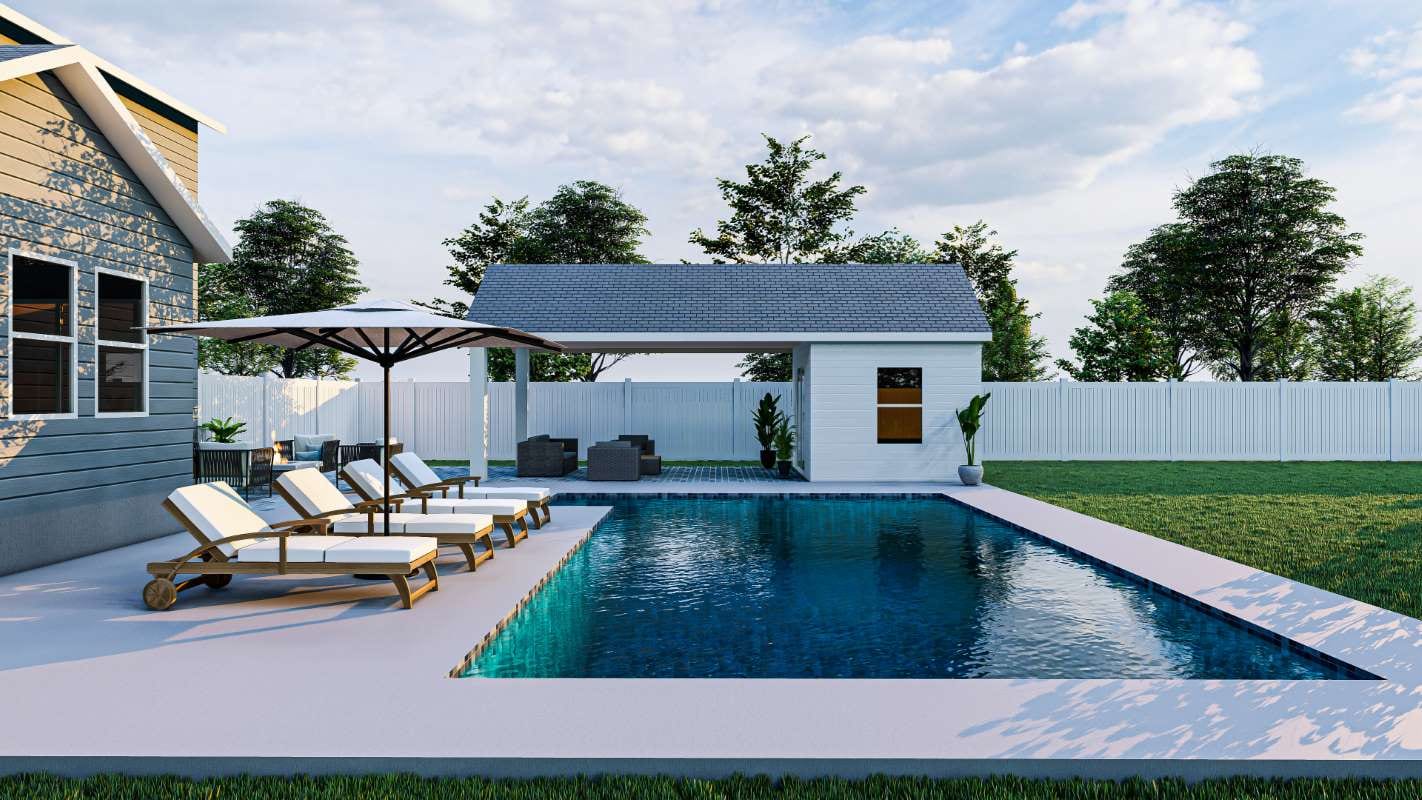
📌 Key Takeaway: Pools in desert regions demand tighter water management, faster chemical response, and more frequent cleaning because heat, wind, and dust work against the water every day.
Desert conditions change the job. High heat drives evaporation, dry air pulls water out of the pool faster, and wind carries dust and sand into the water. That combination raises costs and makes routine maintenance more important, not less. Pool owners and service providers who understand those pressures can keep a pool clear, safe, and usable without chasing constant problems.
A real-world example makes the issue easy to see. A pool in a windy desert neighborhood can look clean in the morning and collect a layer of dust by afternoon. If the water line drops and chemical balance drifts at the same time, the pool can turn cloudy before the owner notices. The fix is not complicated, but it has to be consistent: monitor water level, check chemistry often, keep circulation strong, and stay ahead of debris instead of reacting after the water slips out of range.
Water evaporation changes the whole maintenance schedule
Evaporation is one of the first problems desert pool owners notice, and it affects more than water level. When a pool loses water quickly, the chemistry changes with it. A small drop in volume can make sanitizer readings, pH, and total dissolved solids move faster than they would in a milder climate. That means a pool that looked balanced last week may need attention again sooner than expected.
Wind makes the problem worse. A pool in a sheltered yard will hold water better than one exposed to steady airflow, but both still lose water in dry heat. Covers help because they cut down on evaporation when the pool is not in use. They also reduce the amount of debris that reaches the water, which gives the cover a second job beyond water retention. Some operators also use evaporation-reducing treatments, but those products work best as part of a broader maintenance routine rather than a stand-alone fix.
The important point is that evaporation is not just a water bill issue. It changes the rhythm of service. In desert regions, the pool needs a maintenance plan built around frequent checks and quick corrections, not occasional cleanup.
Chemical balance breaks down faster in desert heat
Strong sun and high temperatures break down pool chemicals faster, which makes water balance harder to hold. Chlorine dissipates more quickly, and pH can drift in ways that create cloudy water, scaling, or skin irritation if the pool is left alone too long. In desert climates, the margin for error is smaller because the environment pushes the water out of balance every day.
Regular testing is the only reliable answer. Service should include pH, alkalinity, sanitizer levels, and other core readings, then immediate adjustment when the numbers move. Waiting until the water looks bad usually means the problem has already spread. By then, the pool may need more chemical correction and more filtration time to recover.
Filtration matters just as much as chemistry. A system with poor circulation will not move treated water evenly, and dead spots invite trouble. Clean filters and steady flow help keep chemical treatment effective. That is why a desert pool should be treated as an active system, not a decorative feature that only needs occasional attention.
Algae prevention depends on staying ahead of stagnation
Warm water gives algae a head start, especially when circulation is weak or the pool sits untouched. Desert heat does not create algae on its own, but it gives algae the conditions it needs to take over quickly if the water drifts out of balance. Once that happens, cleanup takes longer and costs more than prevention.
The best defense is routine brushing, vacuuming, and circulation. Brushing walls and steps knocks loose growth before it can settle. Vacuuming removes buildup from the floor where circulation is weakest. Good water movement keeps sanitizer distributed across the pool instead of letting it sit in one area while another goes stagnant.
Preventive treatments can also help when used correctly. Algaecides are useful as part of a maintenance plan, especially during the hottest months, but they are not a substitute for balanced water. If the pool is already slipping, chemicals alone will not solve the issue. The pool has to be cleaned, circulated, and brought back into range first.
Dust and debris are constant, not occasional
Desert pools collect debris faster than pools in many other climates. Wind carries dust, sand, leaves, and other material into the water, and every bit of that debris affects appearance and water quality. Even when the pool looks only mildly dirty, that material can strain filters and give algae and bacteria more places to grow.
A strong cleaning schedule makes the difference. Skimming removes surface debris before it sinks. Vacuuming clears the floor where dust collects. Automatic cleaners help when they are maintained properly, but they still need support from manual service. A cleaner can move debris around if filters are clogged or if circulation is weak, so equipment care matters as much as the machine itself.
Pool covers and screens also earn their keep here. A cover cuts debris entry and helps with evaporation control at the same time. Screens or barriers around the pool area can reduce how much dirt reaches the water in the first place. In desert conditions, every layer of protection reduces the workload on the rest of the system.
Cost control starts with routine care
Desert pool maintenance usually costs more because water, chemicals, and labor all get used more often. The temptation is to cut back on service, but that usually makes costs rise later. A neglected pool needs more chemical correction, more cleanup, and sometimes more equipment repair. Preventive care is cheaper than recovery.
Water-saving habits help. Covers reduce evaporation. Efficient filtration helps chemicals work better and keeps water clearer for longer. Consistent maintenance catches small problems before they become expensive. That means a cracked seal, a failing filter, or a drifting chemical reading can be handled early instead of after the pool has already suffered damage.
For service providers, this is where route density matters. A tight pool route lets operators cover more accounts efficiently, which helps absorb fuel and travel time better than scattered stops. That is one reason pool routes remain a strong business model in hot, dry markets. The work is steady, the need does not disappear, and good routing keeps the service profitable.
Technology can reduce the workload without replacing service
Automation helps, but it does not replace a trained technician. Smart monitoring systems can alert owners to changes in water quality, chemical levels, and equipment performance before those issues become visible. Automated cleaners can handle some of the debris load, and modern controls can make circulation and filtration more consistent.
That said, technology only works when someone responds to the data. A sensor can report a problem, but it cannot brush a wall, clean a filter, or correct a chemical imbalance on its own. The best use of technology is to shorten response time and make service more precise. In desert regions, that speed matters because conditions change quickly.
Service companies that use monitoring tools well gain a clearer picture of each pool’s needs. That leads to fewer surprises, better chemical control, and less wasted labor. The goal is not to automate the job away. It is to make each visit more effective.
Sustainable practices fit desert markets well
Sustainability and desert pool care often point in the same direction. Water conservation matters in dry regions, and energy-efficient equipment can reduce operating costs while easing environmental pressure. Eco-friendly chemicals, efficient pumps, and better circulation all support the same goal: keep the pool usable without wasting water or power.
Solar pool heaters are a practical example. In a sunny desert market, they can help maintain comfortable water temperatures without relying as heavily on fossil fuels. Native landscaping around the pool can also reduce irrigation needs and cut down on the amount of dirt and plant debris blown into the water. These choices do not remove the need for service, but they make the job easier and more efficient.
The best sustainability measures are the ones that support daily maintenance. If a change reduces evaporation, limits debris, or lowers energy use without creating a new problem, it belongs in the plan.
Pools in desert regions are harder to maintain because the environment works against them every day. Heat speeds evaporation, sun breaks down chemicals, and wind fills the water with dust. Those pressures do not make the pool business weak. They make consistent service more valuable. Owners who stay ahead of the problems keep their pools in good shape, and service providers who build efficient pool routes can turn that steady demand into a durable business.
For companies looking to grow, Pool Routes for Sale remain a practical way to enter or expand in a market where reliable maintenance never goes out of need. Desert pools require discipline, but they also create dependable work for operators who know how to manage water, chemistry, and time well.