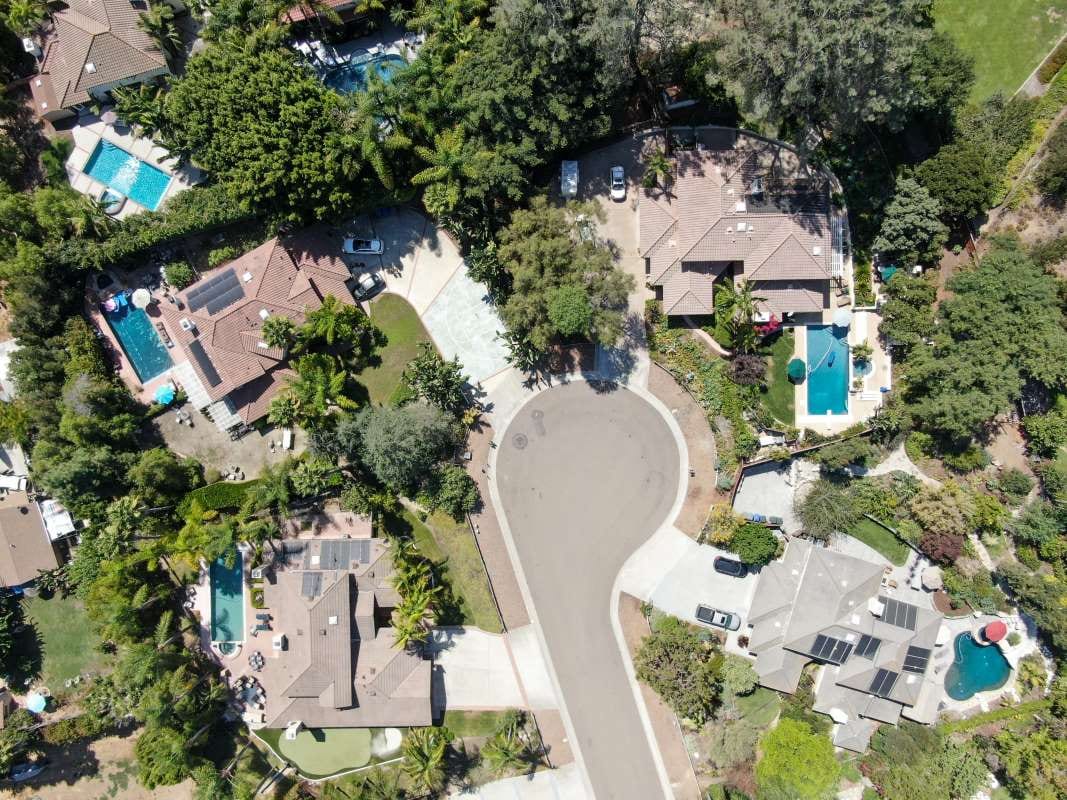
📌 Key Takeaway: Texas population growth adds homes, adds pools, and increases demand for pool routes, which gives operators steady opportunities to build durable service businesses.
Texas keeps adding residents, and that changes pool service demand in a concrete way. More households mean more backyards to maintain, more equipment to inspect, and more weekly stops to cover. For operators, that creates a larger pool of potential accounts and stronger route-building opportunities in cities and suburbs across the state.
The logic is straightforward. When people move into Texas, they buy, rent, and remodel homes. In many neighborhoods, especially in warmer parts of the state, pools come with the property or get added soon after. Once those pools are in place, they need brushing, chemistry checks, filter attention, and repairs. That creates recurring demand, not a one-time sale.
Understanding Population Growth in Texas
Texas has been one of the fastest-growing states in the country for years, and that growth affects the service landscape in practical ways. The U.S. Census Bureau has reported that Texas’ population increased by over 15% since 2010, and that kind of change puts real pressure on housing, roads, schools, and local service businesses. New residents do not just create demand for moving trucks and contractors. They create demand for ongoing home care.
That growth comes from a few clear drivers. Texas offers strong economic opportunity, which brings workers and families into the state. It also offers a lower cost of living than many other large states, which attracts people who want more space or a better fit for their budget. Texas also has a wide mix of living patterns. Houston, Dallas, and Austin continue to draw dense urban growth, while surrounding suburbs and smaller communities keep expanding.
That matters because pool service follows rooftops. New neighborhoods, new subdivisions, and new home purchases all create future service demand. Population growth does not guarantee every home has a pool, but it does increase the number of homes where pool ownership makes sense and where recurring maintenance becomes part of the household budget. For route builders, that is the opportunity. Growth turns into service demand, and service demand turns into pool route opportunity.
Texas homeowners also feel the cost of keeping a pool running. The EIA retail electricity data for Texas in March 2026 shows residential power at 16.39¢ per kWh, up 0.98¢ from the prior month. That kind of utility environment makes efficient equipment, clean filters, and well-tuned circulation more important for service accounts and for the operators who manage them.
The practical result is a stronger base for pool routes in Texas. Operators who understand where people are moving and where homes are being added can build more efficiently than competitors who rely on scattered jobs. Dense territory cuts drive time, improves scheduling, and creates a cleaner route structure. In a state as large as Texas, that density matters as much as raw population growth.
A simple example shows how this works. A growing suburb outside Dallas can add a large number of homes over a few years. Even if only part of those homes include pools, the neighborhood can still support a meaningful number of weekly service accounts. The route does not appear overnight. It develops as families move in, the community matures, and pool ownership becomes normal for the area. An operator who starts serving that neighborhood early can build density before competitors spread themselves thin.
The Connection Between Population Growth and Pool Route Demand
Population growth affects pool route demand because it increases the number of homes that need service and the number of neighborhoods where recurring maintenance makes sense. In Texas, that connection is especially strong because warm weather and outdoor living shape daily life in many areas. Pools are not just luxury features. In many communities, they are part of property value and part of how people use their homes.
As more families move in, pool ownership rises in the same places where new housing is being built. A new subdivision with backyard pools can become a long-term service zone. Each home adds work: brushing, vacuuming, chemical balancing, pump checks, skimmer cleaning, and seasonal adjustments. That recurring work is why pool routes have value. A route is not just a list of stops. It is a system of repeated service needs that can support a stable business.
Demand also rises because homeowners prefer to outsource pool care rather than manage it themselves. They want the water balanced, the equipment running, and the pool ready for use without spending their own time on testing and maintenance. That preference creates room for professional service providers who show up on schedule and handle the details correctly. The more homes that are occupied, the more opportunities there are to sell that reliability.
Texas electricity costs sharpen that point. When power pricing moves up, owners pay closer attention to how often pumps run and how efficiently equipment operates. That does not reduce service demand. It increases the value of an operator who understands equipment condition, circulation timing, and basic energy waste.
Household economics matter too. Nevada’s median household income was $78,260 according to the Census ACS 2024 profile published December 31, 2024, and that kind of figure shows why income levels help shape pool service demand in sunbelt markets. Texas growth brings a mix of homeowners with different budgets, but the same basic pattern holds: as income rises, more households are willing to spend on recurring property care instead of doing it themselves.
This is why Texas population growth is not just a headline. It is a business signal. More people create more housing, more housing creates more pools, and more pools create more recurring service demand. That chain supports pool route demand across the state.
How Superior Pool Routes Meets the Demand
Superior Pool Routes is built for this kind of market. When Texas keeps growing, operators need a way to add service territory without wasting months trying to assemble a pool route from scratch. Superior Pool Routes provides that structure by building pool routes for buyers who want to enter a market quickly and with a clear plan.
The advantage starts with flexibility. Buyers can choose from pool routes that range from 20 to 200 accounts, which lets them match the purchase to their goals and experience level. Someone entering the business for the first time may want a smaller start that can be managed carefully. An existing company may want a larger expansion that fills in territory and improves efficiency. In both cases, the goal is the same: build a route that fits the market and the operator.
Training is another major piece of the model. Pool service is simple to describe but serious to execute. Water chemistry, equipment checks, communication, and schedule discipline all matter. Superior Pool Routes includes Pool Routes Training so buyers can learn the operational side instead of guessing their way through it. That matters most when growth is happening quickly. A new operator needs systems, not theory.
The speed of account acquisition also matters. Buyers can start receiving accounts within ten days and complete their routes in under 60 days. In a growing state like Texas, that speed helps operators get into a service area while demand is still moving in their favor. It also reduces dead time between purchase and revenue generation, which matters for any owner trying to build a dependable business.
Superior Pool Routes is not selling a promise of easy money. It is providing a process that matches the way pool service actually works: build the route, learn the work, and serve the accounts well. That fits growing Texas markets.
What Growth Means for Entrepreneurs and Service Providers
Population growth creates openings, but it also raises the standard for execution. For entrepreneurs, the opportunity is clear: more households mean more chances to build a pool route and turn recurring service into recurring income. For existing operators, the opportunity is expansion. A company that already serves one area can extend into nearby neighborhoods and use growth to improve route density.
The upside is straightforward. New residents need service, and new service demand supports new business. That is especially true in Texas, where growth is spread across major metros and their surrounding suburbs. As these areas fill in, pool service becomes less about chasing one-off jobs and more about building a predictable weekly schedule. Operators who understand that shift can build stronger businesses.
At the same time, growth brings competition. More demand attracts more service providers, which means companies have to be sharp about reliability, communication, and follow-through. In pool service, a missed stop or poor chemical balance creates immediate problems. Customers notice quickly when water turns cloudy or equipment is ignored. The operators who win are the ones who solve problems before the customer has to ask.
Route structure is what keeps that competition manageable. A dense route in a growing Texas market gives you more control over travel time, service quality, and scheduling. You are not bouncing across long distances to cover a few scattered accounts. You are working a territory that makes operational sense. That efficiency protects margins and makes the business easier to manage as it grows.
The long-term tie-back is simple. Population growth gives you the market, but service quality keeps it. An operator who enters the right Texas territory and serves it well can turn growth into a durable pool business.
Best Practices for Capitalizing on Pool Route Demand
Operators who want to make the most of Texas growth need a plan that goes beyond simply buying accounts. The strongest businesses are built with attention to marketing, service quality, and training. Each one supports the others.
Marketing should start local. Homeowners look for service providers they trust, and local visibility matters. Digital marketing, neighborhood presence, and search visibility can all help a pool service business reach residents in a growing area. When a neighborhood expands, the first company to show up consistently often gets the best chance to become known there.
Service quality is the next layer. A pool route only stays valuable if the service is consistent. That means showing up on time, keeping water chemistry in range, and handling equipment issues before they become expensive failures. Customers stay with companies that make their pools easy to enjoy. They leave companies that create hassle. There is no mystery there.
Training ties the whole operation together. New owners need to know how to manage chemistry, communicate with customers, and keep the route running efficiently. Existing operators need to stay current on tools, systems, and field practices. Superior Pool Routes includes training because good routes still depend on good operators. A strong route with weak execution loses value. A well-run route in a growing market becomes a dependable asset.
Customer mix matters too. A family with children may care most about clean, ready-to-use water every weekend. A homeowner who travels frequently may care most about reliability and low effort. A property owner focused on resale value may care about appearance and equipment condition. Operators who understand those differences can keep more accounts and reduce churn. That is what good service businesses do every day.
Texas growth rewards operators who stay organized. Marketing brings the call, service keeps the account, and training protects the route. When those pieces work together, population growth becomes a business advantage rather than a challenge.
Why Texas Still Rewards Pool Route Owners
Texas remains attractive for pool route owners because growth creates continuity. Even when the pace changes from one year to the next, the direction stays the same: more people, more housing, and more service demand. That is a strong foundation for a business built on recurring visits and predictable work.
The state’s size also helps. Texas is not one uniform market. It includes major metros, fast-growing suburbs, and a wide range of neighborhoods with different service needs. That variety gives operators room to match route strategy to the area they want to serve. In one place, the focus may be dense residential service. In another, it may be expansion around a new development. The key is that the opportunity keeps opening as communities continue to grow.
That makes pool routes especially practical for owners who want stability. A pool route is not dependent on a single sale or a seasonal burst of demand. It is built on recurring service. As long as pools need care, the route has value. Texas growth adds fuel to that model by increasing the number of homes that need attention.
The conclusion is clear. Population growth in Texas supports pool route demand because it expands housing, adds pools, and strengthens the need for reliable weekly service. Superior Pool Routes gives buyers a way to turn that demand into a real business through built routes, training, and a process that gets them moving quickly. For entrepreneurs and existing operators alike, Texas remains a strong place to build a pool route business that can hold its value over time.
For readers comparing options and planning their next move, the best next step is to evaluate territory, route size, and training support with the same care you would use to inspect equipment on a service call. That is how solid businesses are built in a growing state.
Related: Texas
Related: pool routes for sale in Texas
Related: Superior Pool Routes