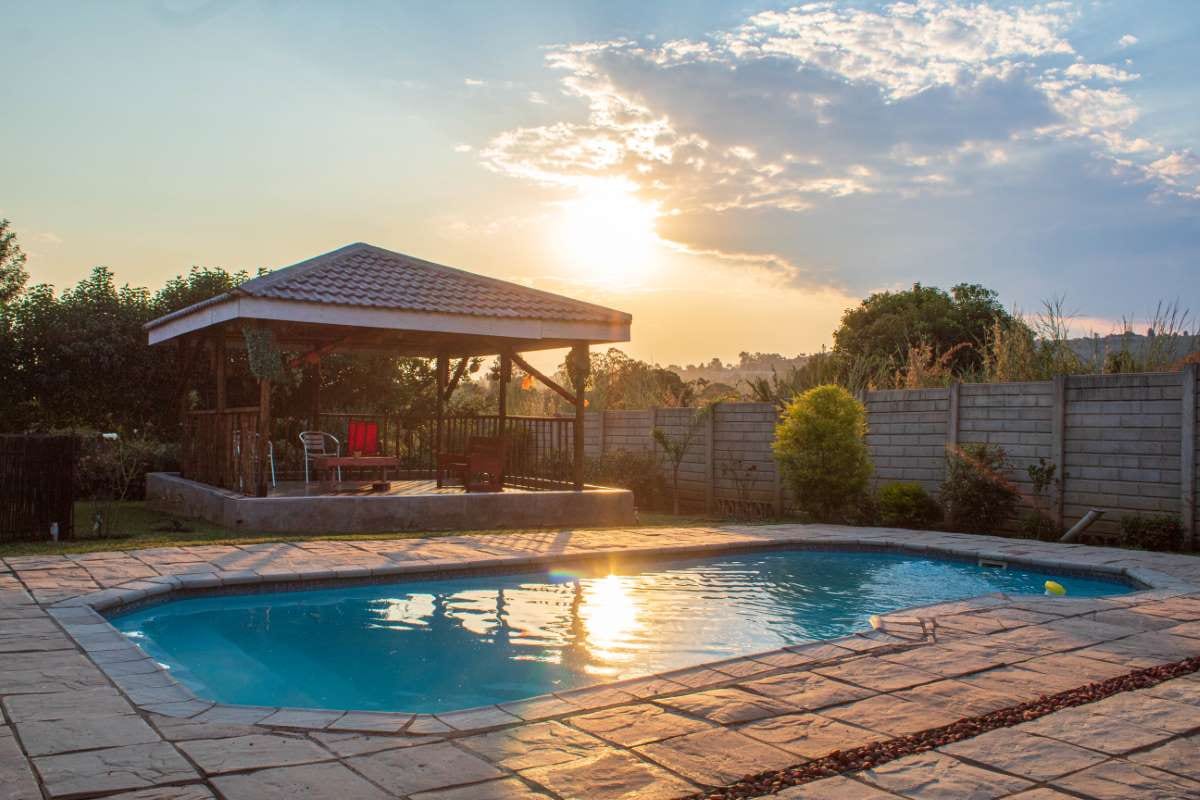
📌 Key Takeaway: Pool routes in Oviedo, Palm Bay, Lauderhill, Dunedin, and Osprey work because Florida’s pool market rewards density, repeat service, and consistent billing—not hype. Superior Pool Routes builds pool routes across Florida with training, warranty coverage, and a clear buying process.
Buying pool routes in Florida comes down to one question: can you service enough nearby pools to make each stop efficient? In Seminole County, Brevard County, Broward County, Pinellas County, and Sarasota County, the answer is usually yes. These are the kinds of service areas where route density matters more than chasing a single “perfect” account. When stops sit close together, the work gets easier to schedule, fuel use drops, and a technician can complete more visits in a day.
That is why cities like Oviedo, Palm Bay, Lauderhill, Dunedin, and Osprey show up so often in route conversations. They sit in active residential markets with steady pool ownership and a long-term need for weekly service. The opportunity is not about finding a one-off deal. It is about building a pool route that makes sense geographically and financially, then growing it in a way that supports stable monthly billing.
Why these Florida cities matter for pool routes
Florida gives pool service companies something many other states do not: year-round demand. Pools do not sit idle for long, and equipment needs regular attention whether the weather is mild, wet, windy, or hot. That makes the state a strong fit for pool route ownership, especially when the route is built around compact service areas.
Oviedo in Seminole County fits a residential, family-heavy service pattern. Palm Bay in Brevard has spread-out neighborhoods that still support recurring pool work when the route is planned carefully. Lauderhill in Broward sits in one of the busiest South Florida service regions, where proximity and scheduling discipline matter. Dunedin in Pinellas gives operators access to a strong mix of homes that need regular care. Osprey in Sarasota County has the kind of pool-heavy housing that rewards clean routing and dependable follow-up.
California is a useful contrast because the economics are different enough to change how owners think about service. The Census ACS 2024 profile for California shows a median household income of $99,122 as of December 31, 2024. That does not make California a bad market. It shows why labor, pricing, and customer expectations can feel tighter there than they do in Florida. Route density still matters in both states, but the cost structure changes the equation.
California’s utility cost is also a good reminder that route economics are local. The same service plan can feel very different when overhead moves up in one state and stays steadier in another. The point is not that one state is better than another. The point is that Florida route buyers should focus on geography first and assumptions second. When operating costs are under control, the route has more room to carry the kind of monthly billing that keeps the business steady.
A California benchmark helps frame Florida’s advantage. The Census ACS 2024 profile for California puts median household income at $99,122 as of December 31, 2024, which reinforces how local economics shape service pricing, labor, and customer expectations. Florida buyers should read that as a reminder to evaluate each market on its own operating math.
Each city has its own layout, but the business logic is the same. Pool routes work best when the accounts are close enough to manage without wasting time on the road. If you are comparing opportunities, think in terms of route shape, drive time, and the ability to keep the workday organized. That is what turns a list of stops into a durable business.
For buyers looking across the state, Florida pool routes give a practical way to enter a market where service demand is part of the landscape, not a seasonal surprise.
What to look for in a Florida pool route
A good pool route is more than a list of addresses. It needs to fit the operator’s daily capacity, territory goals, and growth plan. The first thing to examine is account count. At Superior Pool Routes, the pricing structure is built around monthly billing and account volume, with 40+ accounts at 6×, 30–39 at 6.5×, and 20–29 at 7× monthly billing. That matters because the right entry point depends on what the buyer can actually service.
The second factor is geography. A route in Oviedo should not be evaluated the same way as one in Palm Bay. Dense neighborhoods let you move quickly from stop to stop. Spread-out areas can still work, but only if the route is designed with travel time in mind. In South Florida, especially around Lauderhill and Fort Lauderdale, compact coverage often drives the value of the route. In places like Palm Bay, the buyer needs to pay close attention to routing efficiency so the day does not get swallowed by driving.
The third factor is operational fit. Some buyers want a route that supports a solo start. Others are expanding an existing company and need stops that can be folded into a larger schedule. The best pool route is the one that matches the buyer’s staffing, truck capacity, and service standards. If the route needs more labor than the business can support, the numbers will not hold.
That is why the conversation should begin with the route itself, not just the city name. If you want to compare options more broadly, pool routes for sale gives you the overall framework, while pool route pricing helps you understand how account counts affect value.
Oviedo and Seminole County: compact service with local demand
Oviedo is a strong example of why Seminole County continues to draw pool service buyers. The area has a residential feel, steady homeownership, and a service pattern that favors repeat weekly work. That makes it a practical target for buyers who want Florida exposure without taking on a scattered, hard-to-manage territory.
For a route in Oviedo, the goal is not to chase the most accounts possible. The goal is to keep the route efficient enough to serve well. When stops are close together, the business becomes easier to train, easier to schedule, and easier to expand. That matters for first-time owners as much as it does for experienced operators. A compact route gives the buyer room to learn the rhythm of testing, brushing, vacuuming, and reporting without spending half the day in the truck.
Seminole County also benefits from the kind of residential continuity that supports recurring service. Pools need the same core maintenance tasks week after week. That is what makes pool routes steady business. When the work is repetitive and predictable, the owner can plan labor, chemicals, and billing with less guesswork.
If you are evaluating Seminole County opportunities, the main question is whether the route can be serviced cleanly from the buyer’s home base or shop. That kind of fit is what keeps the route profitable over time. For the broader state picture, pool routes for sale in Florida is the right place to compare options.
Palm Bay and Brevard: growth with route discipline
Palm Bay sits in a market where growth creates opportunity, but distance can punish sloppy routing. That is the key tradeoff in Brevard County. A buyer can build a solid business there, but the route has to be planned with discipline. The route should not force unnecessary cross-town travel. It should move in a logical pattern that keeps service days predictable.
This is where route density becomes more important than raw account count. A smaller route in the right part of Palm Bay can be more valuable than a larger route scattered across a wide area. Buyers often focus too much on the number of accounts and too little on how the day actually flows. In pool service, the day is the product. If the day is inefficient, the route will feel larger and harder than it really is.
Palm Bay also fits buyers who want room to grow. A route that starts in a manageable pocket can often be expanded once the owner has the area dialed in. That makes it attractive to both startups and existing companies that want to branch into a new part of Florida. The right route gives you a base, not a burden.
If you are building from the ground up, pool routes training matters because the routing strategy has to support the operational side of the business. If you already know the trade, then the focus shifts to territory, billing, and how cleanly the route fits your current footprint.
Lauderhill and Broward: South Florida density rewards precision
Lauderhill is part of a service environment where precision pays. Broward County has the kind of concentrated residential demand that can support strong pool routes, but only when the operator pays attention to route shape, traffic patterns, and service timing. In this part of Florida, a route can look attractive on paper and still create problems if the stops are not clustered well.
That is why South Florida buyers often focus on compact coverage. A tight route in Lauderhill or nearby Fort Lauderdale can reduce wasted drive time and keep the workday consistent. It also makes it easier to maintain service standards because the technician is not racing from one far-flung stop to another. Good routes make good service possible. Bad routes make good service expensive.
Broward is also a place where buyers want confidence in the business model. They want to know the route can be serviced reliably, that account loss will not cripple the purchase, and that support is in place if they need it. That is where training and warranty coverage matter. They are not extras. They are part of the purchase decision.
If you want to see how this market fits into the state level, pool routes for sale in Florida is the best starting point. If you want a Broward-specific comparison point, pool routes for sale in Fort Lauderdale gives you a nearby example of how South Florida routing tends to work.
Dunedin and Pinellas: a reliable fit for steady service
Dunedin is a good reminder that smaller cities can still support strong pool routes. Pinellas County has dense residential pockets and a long-running need for pool care. That creates the kind of business environment where route consistency matters more than flashy growth promises. A buyer who wants stable weekly work can build around that structure.
The advantage of Dunedin is not just demand. It is the way the area can support organized service. When a route is put together carefully, the owner can manage the work without stretching the schedule too thin. That makes it easier to keep chemistry correct, spot equipment issues early, and communicate clearly with customers. Those habits matter because pool service is built on trust and routine.
Pinellas is also a practical market for operators who want to add service territory without stepping too far outside a manageable radius. A route that fits the map well can help reduce overhead and improve margins over time. That is one reason Florida pool routes continue to draw attention from buyers who want something steady rather than speculative.
If you are comparing state options, California pool routes can be a useful contrast because California typically demands a different operational approach. The Census ACS 2024 profile for California shows a median household income of $99,122 as of December 31, 2024, and that points to a market where customer expectations and operating costs tend to run higher. The point is not that one state is better than another. The point is that Florida routes often offer a more straightforward path for buyers who want year-round demand and a service model they can scale carefully.
Osprey and Sarasota County: premium neighborhoods need disciplined service
Osprey sits in Sarasota County, where many buyers focus on the quality of the service environment as much as the quantity of accounts. That is a smart way to think about the market. Pool routes in Sarasota County can work very well when the route is designed around dependable service, clean scheduling, and a customer base that expects the job to be done right.
The appeal of Osprey is that it supports the kind of recurring work pool operators want: weekly visits, predictable maintenance, and enough residential pool ownership to keep the route active. It is not a place for loose planning. It rewards operators who understand chemistry, equipment care, and communication. Those are the basics that keep a route healthy over time.
Buyers often ask whether a place like Osprey should be treated differently from a higher-volume urban market. The answer is yes, but only in the details. The business model is still the same. Service quality still drives retention. Billing still has to be clean. Route density still matters. What changes is the pace and the level of customer expectation. In Sarasota County, the route has to look good on the map and on the service log.
For a closer look at the county-level market, Sarasota is the relevant reference point. Osprey fits naturally into that service area and reflects the same long-term need for consistent pool care.
Why Superior Pool Routes is built for buyers in Florida
A buyer does not just need a route. The buyer needs a process that makes the transition manageable. That is where Superior Pool Routes stands out. We build pool routes to the size and territory the buyer needs, and we back that with training and a 60-day account replacement warranty. That combination matters because it gives the buyer structure at the exact point where most new operators need it most.
The buying process is straightforward. You can review the route structure, look at the territory, understand the billing model, and move forward with clear expectations. That is the opposite of guesswork. It is also why so many buyers prefer to start with a company that knows how to build routes rather than one that simply talks about them.
Our pool routes how it works page explains the process in plain terms. If you want a deeper look at the support side, pool routes warranty covers the replacement policy, and pool route training shows how the buyer gets ready to service the route properly. Those pieces work together. A route is only useful if the owner can run it well.
What buyers ask before they move forward
Most buyers want the same answers before they make a decision. They want to know how the route is priced, how billing works, what happens if an account is lost, and how much support they will receive after closing. Those are the right questions. They get to the heart of whether the route will produce dependable monthly revenue.
The pricing question usually comes first. That is where the account-based multiplier structure gives buyers a clear frame of reference. The next question is usually training. A buyer who understands chemistry, service flow, and communication can protect the route from avoidable problems. Then comes the warranty. Buyers want to know they are not alone if something changes soon after the sale. That is a fair expectation, and it is one we address directly.
For general questions, pool routes frequently asked questions is the right place to start. If you want to see how real buyers talk about the experience, Superior Pool Routes testimonials gives you that perspective. Those pages help buyers move from curiosity to confidence.
How these Florida markets fit a long-term business plan
The best thing about pool routes in Florida is that they are not built around a short-lived trend. They are built around service demand that repeats every week. That is why the business tends to hold up well across market cycles. Pool owners still need cleaning, chemistry, filter attention, and equipment checks. The work does not disappear because the broader economy gets noisy.
That is especially true in places like Oviedo, Palm Bay, Lauderhill, Dunedin, and Osprey. These cities are different, but they all support the same core business logic: recurring demand, regular billing, and a need for dependable service. If the route is dense enough and the operator is disciplined enough, the business can stay steady for years.
Superior Pool Routes focuses on that long-term fit. We have been building pool routes since 2004, and we know what makes a route workable. It starts with territory. It continues with support. It holds together when the owner knows how to service the accounts efficiently and communicate clearly with customers. That is why our why us page matters. It shows the difference between a sales pitch and a process that has been refined over time.
If you are comparing options or want to talk through a territory, the next step is simple. Review the route pages, study the geography, and choose the service area that fits your business. Then use the support that comes with it. For direct help, contact us and ask about Florida routes that match your goals.
Related: Superior Pool Routes Home Page
Related: pool route pricing
Related: pool routes training
Related: pool routes how it works
Related: pool route pricing
Related: pool routes training
Related: pool routes how it works
Related: pool route pricing
Related: pool routes training
Related: pool routes how it works
Related Articles
- How to Start a Pool Cleaning Business: Osprey, Sarasota County, FL; Tarpon Springs, FL; Palm Bay, FL; Dunedin, FL
- Swimming Pool Routes for Sale: Oviedo, Seminole County, Aventura, Boca Raton, Palm Bay, Hollywood, FL
- Swimming pool routes near me: Orlando, Orange County, Sarasota, Sarasota County, Jupiter, Palm Beach, North Port, Largo, Pinellas, Florida
- Swimming Pool Routes Near Me: Orlando, Oviedo, Coral Springs, Sarasota, and West Palm Beach, FL