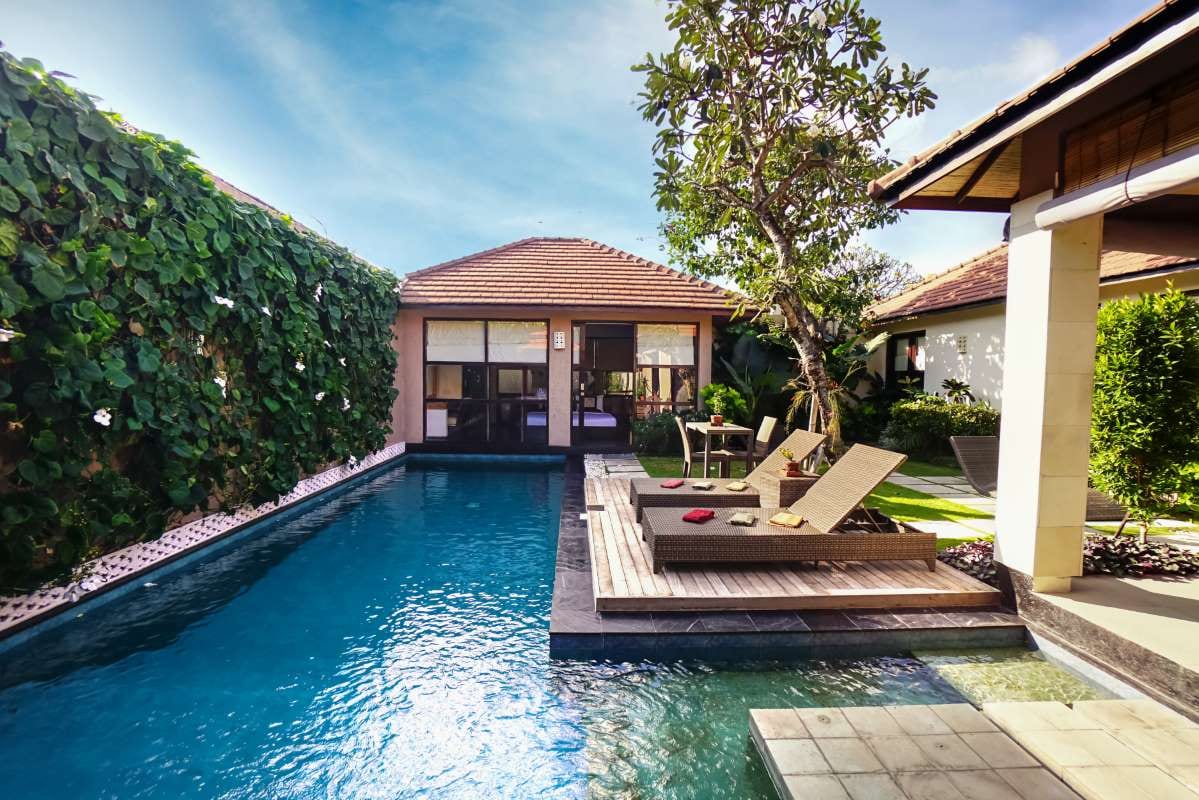
📌 Key Takeaway: Buying a pool route in Florida's high-density markets — Sarasota, Jacksonville, Valrico, Poinciana, and Palm Coast — gives you immediate monthly recurring revenue, a ready customer list, and a faster path to profitability than building a client base from scratch.
Why Florida Pool Routes Produce Reliable Income
Florida has more than 1.1 million residential pools, and the year-round warm climate means those pools need maintenance every single week. Unlike seasonal service businesses in northern states, a Florida pool route generates consistent monthly billing whether it is January or July. That predictability matters enormously to anyone evaluating a purchase.
Electricity costs matter too, because pool pumps, heaters, and automation systems run across a long service season. The U.S. Energy Information Administration reported Florida residential electricity at 14.86¢/kWh in March 2026, which makes efficient service routes and tight drive patterns even more valuable. You can verify the data in the EIA retail electricity monthly report.
When you buy a pool route, you are not speculating on future customers — you are acquiring accounts that already pay on a recurring schedule. You inherit real monthly revenue from day one, which compresses the break-even timeline compared to cold-calling and building a territory yourself. For a prospective owner weighing the risk of starting a service business, that distinction is significant.
What to Evaluate Before Choosing a Territory
Not every zip code produces the same returns, so spend time understanding the local market before committing:
- Pool density per square mile. Tighter clusters of accounts reduce drive time and fuel cost, which has a direct impact on your hourly earnings.
- Average monthly billing per account. Full-service chemical-and-clean accounts bill more than chemical-only stops. Know the service mix before you sign.
- Neighborhood turnover rate. Areas with higher homeowner tenure mean less account churn. Ask about the average account age on any route you are considering.
- Proximity to supply houses. Larger metro areas like Jacksonville and Sarasota have multiple pool supply distributors, which keeps your chemical and parts costs competitive.
Electricity pricing fits into the same evaluation. A route with shorter drive times and fewer dead miles does more than save gas; it leaves more margin in every billing cycle, especially when a homeowner’s equipment draws power all month. That is one more reason dense Florida territories stay attractive to route buyers.
Sarasota and Sarasota County
Sarasota's coastal lifestyle drives strong demand for immaculate pools. Homeowners here are accustomed to paying for quality service, and the concentration of luxury residential properties pushes average monthly billings above many other Florida markets. Sarasota County extends the opportunity further — from the city core into suburbs like North Port and Venice — giving buyers flexibility to assemble routes with less backtracking between stops.
That geography also helps keep operating costs in check. When accounts sit closer together, every gallon of fuel and every minute on the road works harder for you. In a market where electricity and other service inputs add up, route density is a quiet advantage that shows up in the bottom line.
Jacksonville
Jacksonville is Florida's largest city by land area, and its suburban sprawl means pool service owners can build dense routes without crossing the congested downtown core. Neighborhoods in the St. Johns County corridor, along with established zones in the Southside and Mandarin areas, have seen consistent new-home construction, which continuously replenishes the pool inventory available for servicing. That steady pipeline of new accounts gives route owners a natural growth mechanism beyond what they purchase at closing.
Jacksonville also rewards efficient routing because the city covers so much ground. The more your stops cluster around a practical loop, the easier it is to protect your margin from fuel and travel time. Buyers who pay attention to that detail usually end up with stronger day-to-day economics.
Valrico
Valrico sits in eastern Hillsborough County, a suburb that grew rapidly over the past two decades as families sought larger lots at more accessible price points than central Tampa. Residential pool density in Valrico is high relative to its population, and the community atmosphere means customers tend to stay with a trusted service provider for years. For a first-time route buyer who wants a manageable geographic footprint while still building meaningful monthly recurring revenue, Valrico is worth a close look.
The area also fits well for operators who want predictable service patterns. Shorter drives and consistent account concentration help offset rising overhead, including power costs tied to equipment use. That makes Valrico practical as well as appealing.
Poinciana
Poinciana straddles Osceola and Polk Counties and has been one of the fastest-growing communities in central Florida for the past decade. Affordable home prices have attracted a large buyer pool, and new subdivision construction has added pools at a steady rate. Route owners entering Poinciana now can build on a foundation of existing accounts while the surrounding development continues to produce future opportunities. The tradeoff is longer drives between some accounts, so route design matters more here than in denser markets.
That is where disciplined route planning pays off. When a market has room to grow, operators who organize their stops carefully keep travel waste down and protect service quality. Poinciana still offers that combination of current revenue and future expansion potential.
Palm Coast
Palm Coast is a planned community in Flagler County with a high ratio of single-family homes to overall population, and a significant share of those homes include pools. The resident demographic skews toward retirees and families who prioritize property upkeep, which generally translates to low price sensitivity on maintenance services and strong account retention. For a pool service owner who wants a stable, lower-churn route in a coastal environment, Palm Coast delivers.
Palm Coast also benefits from the kind of steady weekly service demand that supports dependable recurring billing. When customers expect consistent care and equipment runs through the season, the route behaves like a durable business asset instead of a volatile one.
How the Purchase Process Works
The mechanics of acquiring a route are straightforward. You choose your target city or zip code, select the number of accounts you want — typically anywhere from 20 to 200 — and a purchase order is prepared detailing the accounts, service types, and total monthly billing. The agreement is executed via DocuSign with a $500 deposit, and account delivery begins within roughly two weeks. The full route is typically transferred within 60 days.
That compressed timeline is one of the practical advantages of buying a structured route versus acquiring an owner-operated business through a traditional business broker. There is no lease to renegotiate, no equipment inventory to appraise, and no multi-month due diligence process — just a clear account list and a defined billing total. In a Florida market where recurring service stays in demand through every month of the year, that speed matters.
Training Prepares You to Retain Every Account
Buying accounts is only valuable if you can service them competently from the first visit. Training covers pool system mechanics, water chemistry, and cleaning procedures. Sessions are available in the field in South Florida or through virtual formats that fit around your existing schedule. The goal is to make sure you can answer a homeowner's question accurately, identify a failing piece of equipment before it becomes an emergency, and deliver consistent results that give customers no reason to cancel.
Account retention in the early months post-purchase is directly tied to how confident and competent you appear on the first several visits. Showing up prepared is the single most effective retention strategy available to a new route owner. When customers see reliable service and clean communication, they stay put.
Warranty Coverage Protects Your Investment
A robust account replacement policy backs your purchase. If accounts are lost for reasons outside your control during the warranty period, replacements are provided. That warranty converts some of the risk of buying a service route from a business-ending problem into a manageable inconvenience, and it is one of the concrete ways to compare route providers when you are evaluating your options.
That kind of protection matters in a market built on recurring service. It gives buyers more confidence to move forward, knowing the route they buy is supported if anything changes early on.
Building From the Base You Buy
Most successful route owners do not stop at the accounts they purchase. They add referrals from satisfied customers, take on accounts that become available in their territory, and gradually increase average billing per account as they expand the scope of services they offer. The accounts you acquire at closing are the foundation, not the ceiling.
Choosing the right starting territory — whether that is a dense suburban corridor in Sarasota County, a high-growth zone in Jacksonville, or the stable residential base of Palm Coast — sets the trajectory for everything that follows. Evaluate the numbers carefully, get training before your first service day, and build on a route with solid fundamentals.
For a full list of available territories and current pricing, visit our pool routes for sale page and filter by the Florida markets that match your goals.
Related Articles
- Swimming Pool Routes for Sale: Clearwater, Pinellas County, FL; Sarasota, Sarasota County, FL; North Port, FL; West Palm Beach, FL; Coconut Creek, FL
- Swimming Pool Routes for Sale: Osprey, Sarasota County, FL; Kissimmee, Osceola County, FL; Winter Park, FL; Brandon, FL; Palm Harbor, FL
- Swimming Pool Routes for Sale: Osprey, Sarasota County, FL; New Smyrna Beach, FL; Apopka, FL; Margate, FL; Palm Beach Gardens, FL
- Buy Pool Routes in Sarasota, Cape Coral, Palm Coast, St. Augustine Beach, and Lutz, Florida