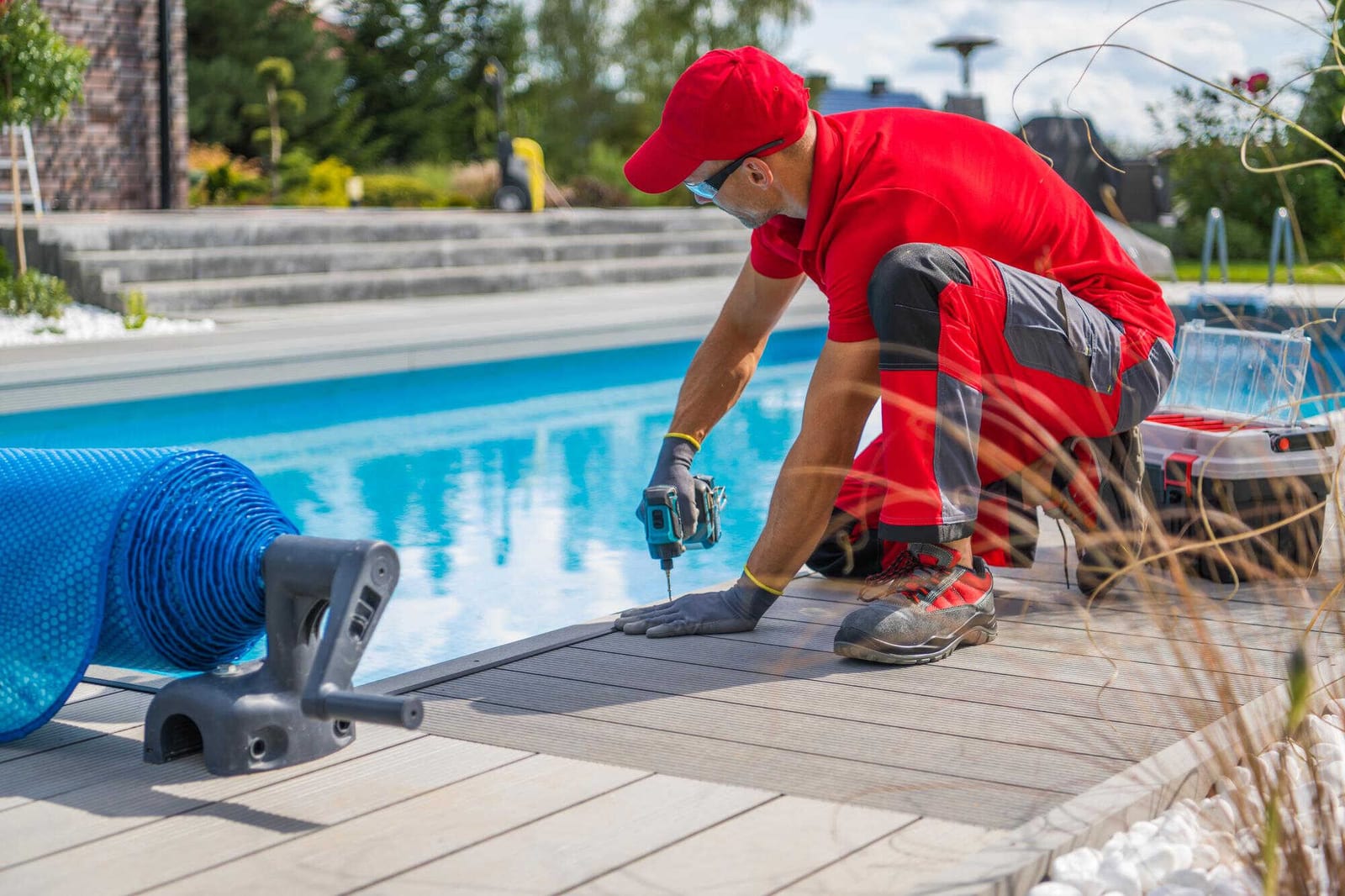
📌 Key Takeaway: Adding pool repair services to a pool route is one of the most direct ways to increase per-customer revenue, reduce churn, and build a more defensible business without acquiring new accounts.
Pool route owners often hit a ceiling where growing revenue means adding more stops. There is a faster path: expanding the scope of what you offer at every stop you already have. Pool repair services sit right at that intersection of high demand and low competition — most maintenance-only operators leave that money on the table. This guide covers the concrete business case for adding repairs and the practical steps to execute it without disrupting the maintenance side of the operation.
In Arizona, the case is even stronger because household buying power is strong enough to support higher-value service calls. The Census ACS 2024 put Arizona median household income at $79,964, which helps explain why homeowners there will often pay for convenience, fast diagnosis, and one-visit solutions. You can verify the figure directly at the Census ACS Arizona profile, dated December 31, 2024.
The Revenue Math Behind Adding Repairs
A typical residential pool maintenance account generates somewhere between $100 and $200 per month depending on your market and service level. A single pump replacement job can invoice $400 to $900. A heater replacement pushes $1,500 or higher. One repair ticket per week, averaged across a year, can add $25,000 or more in gross revenue to a route that is already fully staffed and geographically optimized.
The margin profile is also better than maintenance in most cases. Maintenance revenue is largely labor; repair revenue blends labor with parts markup. Operators who establish preferred vendor relationships with wholesale suppliers routinely mark up parts 20–40% above their cost, and customers expect and accept it because they are paying for expertise and convenience, not just parts.
Arizona operators should pay attention to this mix. The state’s income profile supports premium service pricing in many neighborhoods, especially when the technician shows up with the right parts and solves the problem in one visit. That makes repair work a practical fit, not a luxury add-on.
The key insight is that you already have the customer relationship and the scheduled visit. The marginal cost of performing a repair at an account you are already servicing is far lower than dispatching a separate repair-only crew from a different company.
Why Repair Services Reduce Customer Churn
One of the most underappreciated reasons to add repair capacity is retention. When a pool owner needs a repair and their maintenance tech says "I don't do repairs, you'll need to call someone else," that is a friction point. The pool owner calls a repair company. That repair company's tech visits, builds rapport, and now has a foot in the door to pitch maintenance service. You have inadvertently introduced a competitor into your own account.
Retaining a customer is worth far more than acquiring one. Maintenance accounts on pool routes for sale are valued at a multiple of monthly billings precisely because retention rates on well-managed routes run high. Anything that improves retention compounds directly into the resale value of the business, not just current-year income.
That matters even more in markets like Arizona, where homeowners expect a service provider to be responsive and self-sufficient. If your company can diagnose, quote, and complete the repair without delay, you remove the easiest reason for a customer to shop around.
Core Repair Services to Add First
Not all repairs are equal in terms of learning curve, tool investment, and liability. Start with the highest-frequency, lower-complexity work and expand from there.
Equipment diagnostics and pump replacements are the logical first category. Pumps fail predictably, parts are standardized, and the diagnostic process is teachable. A technician who can confidently diagnose a pump and present a clear repair quote will close nearly every job on the spot.
Filter servicing and media replacement sit just above routine maintenance in complexity but generate meaningful revenue. DE and cartridge filter teardowns, inspection, and reassembly are skills most maintenance techs can acquire quickly and apply immediately.
Salt system and chlorinator repair is increasingly relevant as saltwater pools proliferate. Cell testing, cleaning, and replacement is straightforward with the right training and tools, and salt cell replacements carry strong margins.
Minor leak detection is a higher-skill area worth developing once the basics are covered. Leaks cause customer anxiety, and pool owners will pay well for a technician who can find the problem and fix it in a single visit.
In Arizona, these services pair well with year-round demand and intense sun exposure. UV wear, heat stress, and debris from monsoon conditions all create more service opportunities, which means a repair-capable route can turn recurring maintenance stops into higher-value work.
Training, Certification, and Liability Considerations
Adding repair services without adequate training creates liability exposure and risks damaging the customer relationships that make a pool route valuable. Invest in formal training before billing for repairs.
State licensing requirements vary. Florida, Texas, California, Arizona, and Nevada each have specific contractor licensing frameworks that may apply depending on the type and dollar value of the work. Confirm what is required in your operating area before offering services commercially. Carrying the right insurance rider for repair work is equally important — your existing general liability policy likely has exclusions that matter here.
For operators building out a team, the training investment pays back quickly. A technician who can handle a $600 pump replacement without escalating to a subcontractor keeps that revenue in-house and reduces scheduling complexity.
Arizona operators should also build the process around speed and documentation. When the estimate is clear, the repair is explained in plain language, and the invoice matches the quote, customers are far less likely to hesitate on the spot.
Pricing Strategy for Repair Work
Flat-rate pricing outperforms time-and-materials for most residential repair work. Customers prefer knowing the cost upfront, close rates are higher, and your actual cost per job becomes predictable as your team builds efficiency. Build a flat-rate menu for the 10–15 most common repairs you will encounter, price it to reflect your actual cost structure with a sustainable margin, and review it quarterly as parts costs shift.
For complex or unusual work where flat-rate pricing is impractical, use a diagnostic fee model: charge a fixed amount to assess and quote, then credit that fee toward the repair if the customer proceeds. This filters out price shoppers while respecting your technician's time.
In a state like Arizona, where the median household income supports a healthy mix of service levels, pricing discipline matters. You do not need to be the cheapest option; you need to be the clearest and most dependable one.
Integrating Repairs Into an Existing Route Operation
The operational challenge is scheduling. Maintenance routes run on tight geographic sequences — adding repair calls into the same day can break that efficiency. The most practical approach for smaller operators is to designate one or two days per week as flex days with lighter maintenance loads, reserving capacity for repair appointments. As repair volume grows, a dedicated repair technician or second van becomes justified.
Track repair revenue separately from maintenance revenue from day one. Knowing the contribution of each stream helps you make informed decisions about hiring, equipment investment, and whether to pursue pool routes for sale that are geographically adjacent to your repair demand. A route that clusters accounts in a tight area becomes significantly more valuable once you are billing repair services, because both revenue streams benefit from the same geographic efficiency.
Arizona routes benefit from this especially well because the service season does not collapse the way it can in colder markets. That gives operators more consistent opportunities to slot repairs into the weekly schedule without losing route density.
Building the Referral Loop
Satisfied repair customers refer. Make it a deliberate part of your process: after every successful repair, ask the customer directly if they know anyone with a pool who might benefit from your services. Leave a few business cards. A simple follow-up text two weeks later asking how the equipment is performing costs nothing and reinforces the relationship.
Pool owners talk to other pool owners. A reputation for honest diagnostics, fair pricing, and reliable repair work spreads faster in a neighborhood than any advertising you could buy. Combine that referral engine with an optimized maintenance route and you have the foundation for a business that grows on its own momentum.
In Arizona, where homeowners often rely on word of mouth when choosing service providers, that reputation matters even more. Good repair work does not just fix the immediate problem; it creates the kind of local trust that keeps a route full and profitable.
Related Articles
- Pool Routes for Sale – The Benefits of Offering Seasonal Pool Products
- Pool Routes for Sale – Health Benefits of Regular Swimming: Boost Your Cardio, Build Muscle, and Enjoy Low-Impact Exercise
- Pool Routes for Sale – The Benefits of GPS Tracking for Pool Routes
- Unlocking Opportunities: The Benefits of Investing in Pool Routes for Sale