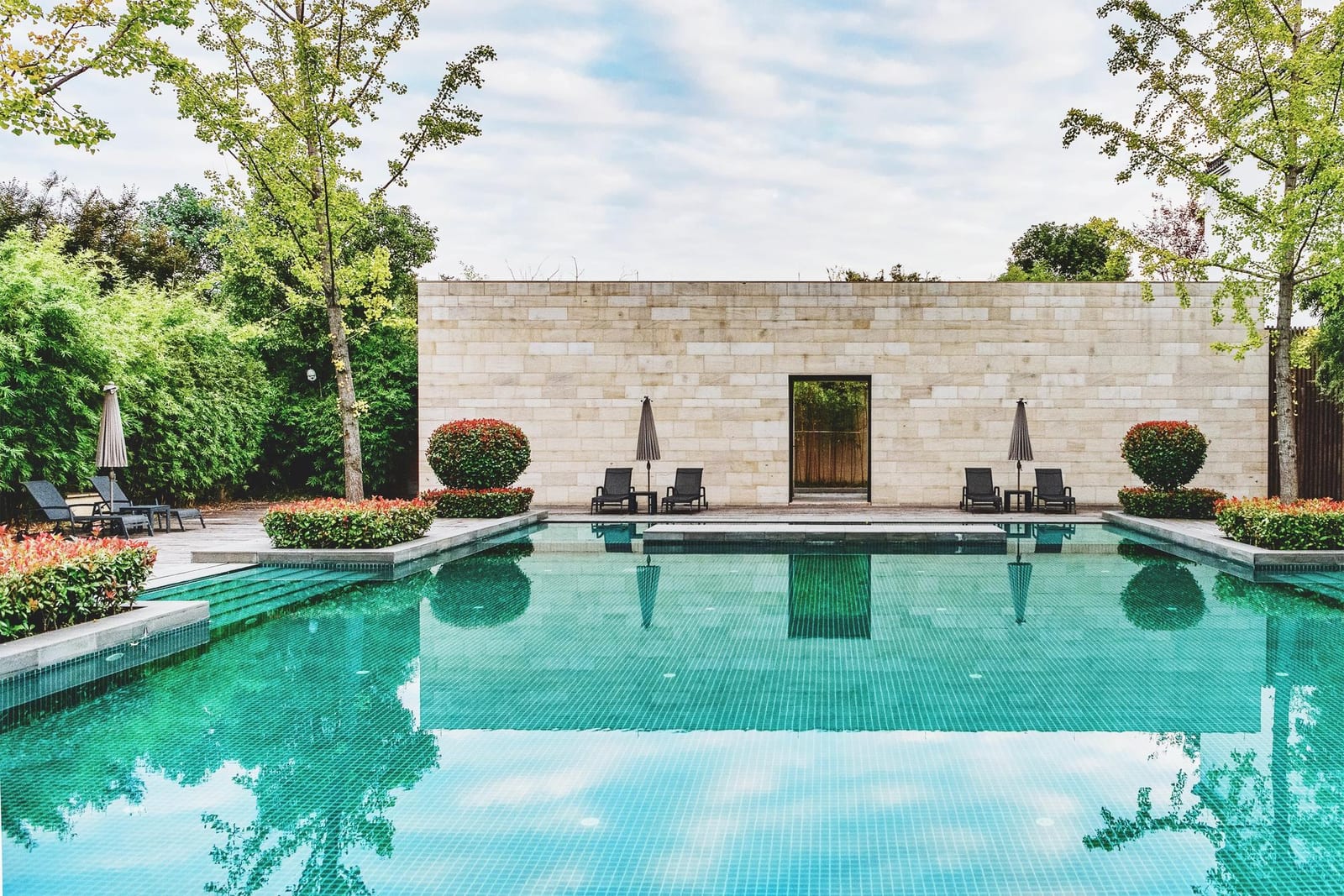
📌 Key Takeaway: Pool routes for sale in Sachse work best when the territory is tight, the service mix matches North Texas conditions, and the buyer focuses on route efficiency from the start.
If you are evaluating pool routes for sale in Sachse, you need more than a list of accounts. You need a route layout that makes sense for the way pool service actually runs in North Texas. Sachse sits in the wider Dallas-area growth corridor, which means route density, drive time, neighborhood patterns, and seasonal operating demands all matter. A good pool route purchase in this market is built around efficient weekly service, manageable windshield time, and a customer mix that supports consistent recurring revenue.
Sachse gives owners a practical operating environment because it connects to surrounding service areas without forcing a scattered day. That matters in Texas, where travel can quietly drain a route if accounts are spread too far apart. Buyers who stay disciplined about geography, billing structure, and service expectations usually put themselves in a stronger position than operators who chase a wider map just to add stops.
Why Sachse Works for Pool Route Ownership
Sachse is attractive because it sits near dense residential communities where backyard pools fit the local lifestyle. In North Texas, long heat stretches keep pools in regular use, and regular use creates repeat service needs. That gives pool routes in Sachse a solid business foundation: recurring weekly work, predictable maintenance cycles, and a customer base that values reliability when temperatures climb.
The city also benefits from its position near other active suburban service areas. That creates flexibility. A route in Sachse does not have to stand alone as an isolated pocket. It can support a broader service footprint across nearby communities, but the key is keeping that footprint compact enough to preserve efficiency. The best route layouts usually group accounts by neighborhood clusters, access roads, and natural traffic patterns rather than city lines alone.
Texas service conditions also shape the opportunity. Pools in this region face intense summer use, shifting water chemistry, wind-blown debris, and the occasional freeze event that can stress equipment. Those issues create recurring demand for knowledgeable service rather than one-time cleanups. A buyer who understands how Texas pools behave is not stepping into a fragile business model. They are buying into a service category people continue to need.
That is why Sachse deserves a careful look. It is not just about finding accounts in one zip code. It is about securing a route pattern that supports stable operations in a climate where pool care stays relevant year after year.
What to Evaluate in Pool Routes for Sale in Sachse
Not every route on paper works well in the field. When reviewing pool routes for sale in Sachse, start with the territory itself. Tight geography matters more than a broad service map. If a route forces constant cross-town driving, it raises fuel use, limits daily capacity, and makes scheduling harder when weather or customer issues disrupt the day.
Next, look at the type of pools you will be servicing. In Texas, equipment setups vary, and so do homeowner expectations. Some accounts are straightforward weekly maintenance stops. Others include more demanding chemistry issues, heavy leaf loads, aging equipment, or customers who expect fast communication and detailed service notes. A route becomes easier to manage when the service profile is consistent across accounts rather than wildly mixed.
You also need clarity on billing and account quality. Texas billing should be evaluated in Texas terms, not copied from another state. Service pricing, travel patterns, and maintenance expectations differ by market. The route should make sense based on what local owners pay for weekly service and what it costs you to run trucks, chemicals, and labor in this region. A route that looks fine from a distance can become difficult if the stop count is high but the work at each stop is underpriced for local conditions.
Training and transition support matter just as much as the territory. Buying a route is easier when the handoff includes a clear service rhythm, customer communication standards, and practical operating guidance. That is one reason buyers look to companies with a long track record. Superior Pool Routes has been in business since 2004 and has sold over 30,000 accounts since then. That experience matters because route buyers do better when the process is structured and the support is real, not improvised after the sale.
Finally, examine expansion potential without overreaching. The right route gives you room to add nearby accounts over time, but it should already work as a standalone business purchase. If growth depends on filling major gaps across a scattered map, the starting point is weak. In Sachse, a strong route begins with efficient coverage and then builds outward in a controlled way.
Pricing, Multipliers, and What Value Really Means
Route pricing only makes sense when you connect it to monthly billing and operating reality. Superior Pool Routes uses a straightforward structure: routes with 40+ accounts are priced at 6× monthly billing, routes with 30–39 accounts are priced at 6.5× monthly billing, and routes with 20–29 accounts are priced at 7× monthly billing. The broader industry standard is 12×. That difference is one reason many buyers start their search with pool route pricing instead of guessing what a route should cost.
Those multipliers are only part of the picture. Value comes from how usable the route is after delivery. A route with clean geography, compatible account types, and a realistic service day can be far more workable than a larger-looking route that burns time on the road. Buyers sometimes focus too much on the headline account count and not enough on what it takes to service those accounts each week.
In Sachse, the value question should always come back to route density. Can you service the route without spending too much of the day driving? Can the accounts be grouped in a way that supports a repeatable schedule? Can the route absorb common Texas disruptions such as heavy summer demand, storm cleanup, or equipment calls without throwing the entire week off? If the answer is yes, the route has operational value beyond the purchase price.
This is also where billing discipline matters. Buyers should understand how service revenue is collected, how monthly billing lines up with actual field work, and how software supports consistency. Tools such as EZ Pool Biller can help owners stay organized, track service records, and keep invoicing aligned with route activity. Good billing habits do not fix a weak route, but they do strengthen a good one.
When buyers keep pricing tied to route design, they make better decisions. The best purchase is not the one that looks biggest on paper. It is the one that gives you a workable weekly operation with room to grow.
Operating a Sachse Route in Real North Texas Conditions
A Sachse route succeeds when it is built around the realities of the local climate and service calendar. North Texas pools deal with long warm stretches, strong sun, debris after storms, and periodic cold snaps that can create extra equipment concerns. That means your route needs enough structure to handle weekly maintenance while leaving space for seasonal issues that do not show up neatly on a spreadsheet.
Summer is the obvious pressure point. Higher temperatures increase sanitizer demand, raise evaporation, and keep homeowners using their pools more often. That usually leads to closer attention from customers. They notice water clarity, equipment noise, and response times faster when the pool is in heavy use. A route owner in Sachse needs systems that keep service quality consistent even when the pace picks up.
Power costs also affect how customers think about pool ownership. Pumps, heaters, and automation all tie back to the cost of operating the pool. The U.S. Energy Information Administration reported Texas residential retail electricity at 15.88¢/kWh for July 2026, according to its monthly release dated July 1, 2026: https://www.eia.gov/electricity/monthly/. That does not change the need for pool service, but it does shape customer conversations about run times, equipment efficiency, and maintenance habits. An owner who can explain those issues clearly tends to build stronger customer trust.
Texas also requires flexibility around weather. Wind, rain, and sudden temperature shifts can change a day's workload quickly. A route that is geographically tight gives you better control when you need to move stops, return for follow-up, or fit in an equipment issue without disrupting the entire week. That is one more reason dense suburban markets like Sachse are attractive. They allow the owner to stay productive even when conditions are not ideal.
This is where process separates strong operators from struggling ones. Good routing, dependable communication, accurate billing, and a consistent service standard are what turn a group of accounts into a stable business. The route is the platform. The way you run it determines how durable it becomes.
How to Buy a Route Without Creating Problems on Day One
Buying a route in Sachse should be approached as an operating decision, not just a sales decision. Start by defining the territory you actually want to run. If you live near Sachse or plan to center your work in that part of the Dallas area, stay disciplined about nearby neighborhoods and adjoining service zones. A route that fits your home base and work style is easier to manage than one that forces daily sprawl.
Then focus on process. Buyers should understand how it works before the route is delivered. That includes how accounts are built, how the transition unfolds, and what support is available after the purchase. Clarity at this stage prevents confusion later. It also helps you judge whether the route being proposed matches your goals or simply fills a map.
Training is another major advantage. A first-time buyer may know pools well but still need help with route organization, customer retention habits, or service-day workflow. An experienced operator expanding into a new territory may need less help with chemistry but still benefit from local market guidance and tighter systems. That is why pool route training should not be treated as an extra. It is part of what makes the handoff workable.
Protection after delivery matters too. A route purchase is easier to manage when there is a clear replacement policy tied to the accounts. Superior Pool Routes includes a 60-day warranty, which gives buyers a defined framework if an account does not hold. That kind of structure reduces uncertainty and keeps the focus on building a stable route rather than scrambling to replace lost ground on your own.
If you are weighing your next step, it helps to start with the broader market and narrow from there. Buyers who want to compare territory options can review pool routes for sale and then focus on North Texas fit. The strongest route purchase is the one that aligns location, service style, and expansion goals without forcing unnecessary complexity.
Frequently Asked Questions
Are pool routes for sale in Sachse a good fit for first-time buyers?
Yes, if the route is geographically tight and the transition support is solid. Sachse gives first-time buyers access to a residential market where recurring pool service makes sense, but the route still needs to be designed for manageable daily operations. Training and a clear handoff are especially important when you are entering the business for the first time.
What makes a Sachse pool route stronger than a scattered Dallas-area route?
Density and repeatability. A strong Sachse route groups accounts in a way that cuts drive time, simplifies scheduling, and makes it easier to respond when weather or equipment issues interrupt the day. Scattered routes often look workable at first, but they are harder to service efficiently week after week.
How should I think about route pricing in Texas?
Start with the monthly billing and the multiplier being used, then test whether the route works operationally in North Texas. Superior Pool Routes prices 40+ accounts at 6× monthly billing, 30–39 at 6.5×, and 20–29 at 7×, compared with a broader industry standard of 12×. After that, focus on route density, local travel demands, and account quality.
Does Sachse offer room to grow after buying a route?
Yes, if growth stays close to the original territory. Sachse connects well to surrounding suburban service areas, which can help owners add nearby accounts over time. The key is to expand in a controlled way so the route stays efficient instead of stretching into a wide, time-consuming map.