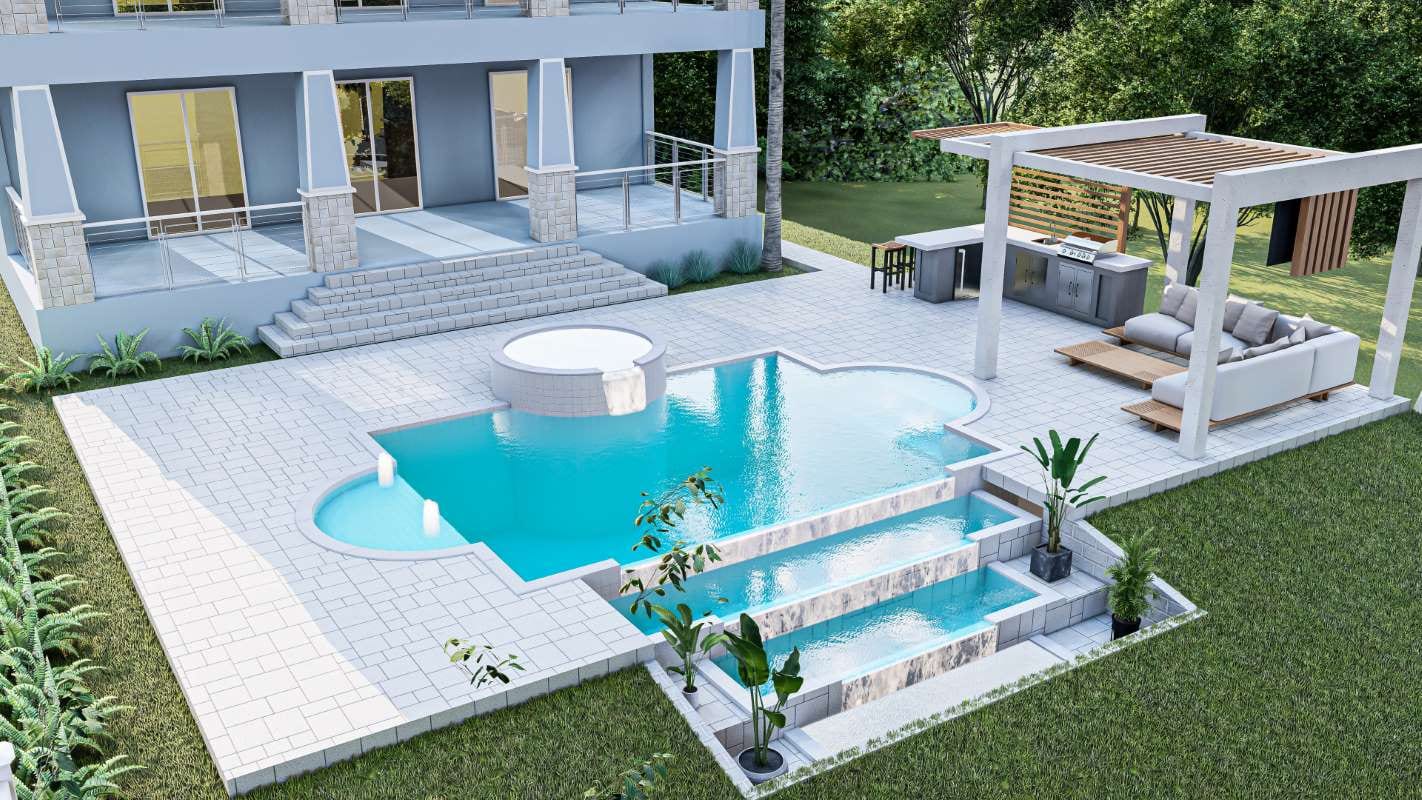
📌 Key Takeaway: Pool routes for sale in Port Charlotte make sense when the territory is tight, the billing fits Florida conditions, and the route is built for efficient long-term growth.
Port Charlotte gives pool service owners a market with year-round demand, a steady residential base, and service conditions that reward tight route design. If you are looking at pool routes for sale in Port Charlotte, the real question is not whether there is demand. The question is whether the route is built in a way that supports clean scheduling, manageable drive time, and dependable monthly billing in Florida. A route that looks good on paper can still create daily friction if the accounts are scattered, the stop order is inefficient, or the service mix does not match the area.
That is why buyers need to look beyond the idea of simply adding accounts. In Port Charlotte, route quality depends on geography, neighborhood concentration, pool type, and how the business will operate through Florida’s seasonal weather shifts. A strong route gives you a practical base to grow from, not a patchwork of stops that drains time and fuel.
Why Port Charlotte Works for Pool Route Growth
Port Charlotte is well-suited for pool service because pools are part of normal residential ownership in Southwest Florida. This is not a short-season market. Owners need recurring care through heat, rain, storms, and heavy organic debris periods. That creates consistent service demand and gives operators the chance to build predictable weekly work.
The local housing pattern also matters. In a market like Port Charlotte, route density can be the difference between a business that scales cleanly and one that feels disorganized from day one. Residential neighborhoods with a high concentration of screened enclosures, backyard pools, and retiree-owned homes often support recurring service well. Customers in these areas typically value consistency, communication, and dependable arrival windows more than complicated upsells. That makes the route itself the core asset: if the stops are close together and scheduled logically, the owner can protect margin and maintain service quality.
Florida conditions reinforce that advantage. Rain can throw off chemistry. Heat pushes sanitizer demand. Storm activity adds debris and creates post-weather cleanup work. Those realities do not weaken the case for buying pool routes in Port Charlotte. They strengthen it. In Florida, pools do not sit idle for long, and routine maintenance remains necessary even when broader markets shift. Operators with dense local routes absorb rising operating costs better than scattered competitors because they spend less time driving and more time servicing pools.
That is the practical appeal of this market. Port Charlotte is not attractive because of hype. It is attractive because the underlying service need is steady and the geography can support efficient route building when the territory is chosen carefully.
What to Evaluate in Pool Routes for Sale in Port Charlotte
When buyers review pool routes for sale in Port Charlotte, they should focus first on layout, not just account count. A route should make operational sense from the first morning of service. That means looking at drive patterns between neighborhoods, how many bridges or bottlenecks affect travel, and whether the stops fit a realistic service day. If a technician spends too much time behind the wheel, route value drops fast no matter how appealing the customer list looks at first glance.
Billing quality is the next issue. In Florida, recurring monthly service is the anchor. Buyers need to understand what the service includes, whether pricing aligns with the local area, and how much of the work is routine cleaning versus chemistry-heavy pools, green-to-clean work, or repair-related support. A route built around consistent recurring service is easier to manage than one that depends on exceptions every week. You want clarity around what customers expect and what the monthly charge covers.
Pool type also shapes route performance. Port Charlotte includes screened pools, open pools, salt systems, and traditional chlorine setups. That changes chemical demand, debris load, and equipment wear. A buyer should know what kind of labor mix the route requires before taking it on. Some neighborhoods may produce easier maintenance patterns. Others may demand more attention after storms, during pollen periods, or when surrounding landscaping drops debris.
Customer communication standards matter too. A route works best when service expectations are simple and repeatable. That includes notice of weather delays, documentation of skipped service when access problems occur, and clear procedures when equipment issues are found. Buyers often focus on acquisition and overlook the daily service habits that protect retention. In practice, those habits determine whether a route stays stable after the handoff.
Training and transition support should never be treated as optional. A route purchase is easier to absorb when the buyer understands local service rhythms, customer communication, and how to keep the route on schedule from the start. That is one reason many operators review pool route training before expanding into a new area. The route itself matters, but the operating discipline behind it matters just as much.
Florida-Specific Factors That Shape Port Charlotte Routes
Port Charlotte is a Florida market, and Florida changes how a buyer should think about route value. Weather is not a side issue here. It directly affects scheduling, chemistry, and customer expectations. Summer rain can dilute pools and shift chemical balance quickly. Storms can leave screens damaged, baskets packed with debris, and water conditions changed from one visit to the next. A route built for Florida needs enough flexibility to handle those disruptions without collapsing the rest of the service week.
Hurricane season is part of that equation. Buyers in Port Charlotte should think through how they will manage route interruptions, storm preparation communication, and post-storm workload. Some weeks will not run like a standard calendar. The business needs a plan for recovery service, cleanup prioritization, and customer updates. A route concentrated in a defined area is easier to reset after weather events than one spread across too many disconnected neighborhoods.
Florida also has a broad mix of pool equipment and sanitation setups. Salt systems are common, but they are not universal. Buyers should understand the service requirements that come with each mix of accounts. Salt cells need inspection and monitoring. Traditional chlorine pools can require different handling during high-heat periods or heavy rain. Equipment pads exposed to constant sun and moisture can show wear differently than in drier states. A route in Port Charlotte should be evaluated with those conditions in mind, not with assumptions borrowed from another state.
The service season in Florida is effectively year-round, which is a major advantage. It supports recurring billing and gives owners a stable base of work. That does not mean every week looks identical. It means a well-built route can remain productive across the calendar because the need for service does not disappear. For buyers, that steady demand is one of the strongest reasons to consider the market.
Pricing, Multipliers, and the Real Value of a Route
Buyers naturally want to know what makes a route fairly priced. The cleanest way to think about value is to connect monthly billing to route structure. A route is worth more when the accounts fit a tight service area, the work is consistent, and the schedule can be run efficiently. It is worth less when too much of the day is lost to driving, difficult access, or constant service exceptions.
Superior Pool Routes builds routes using account-based multipliers. For larger routes with 40+ accounts, the multiplier is 6× monthly billing. For 30–39 accounts, it is 6.5×. For 20–29 accounts, it is 7×. The broader industry standard is 12×. That difference matters because it changes how quickly a buyer can move from acquisition to usable cash flow. It also makes growth more practical for operators who want to add density in Florida without overpaying for scattered accounts.
Still, pricing should never be viewed in isolation. A lower-quality route at any multiplier can become expensive if it creates labor inefficiency. A better route is one that preserves technician time, reduces windshield hours, and supports straightforward weekly execution. In Port Charlotte, that usually means keeping the territory compact and resisting the temptation to chase distant accounts just to increase count.
Buyers should also pay attention to transition protection. A route purchase is stronger when it includes support that reduces early disruption. That is why the account replacement warranty matters. When a buyer is entering or expanding in Port Charlotte, protection during the early period helps stabilize the route while the new owner takes over communication, service patterns, and scheduling. That support makes the purchase more practical, not just more attractive on paper.
For buyers comparing options, it also helps to understand pool route pricing before making a decision. The route’s true value comes from how well it operates after the sale, not from a headline figure alone.
How to Build a Route That Runs Smoothly in Port Charlotte
A good Port Charlotte route should be built around service flow. That starts with territory mapping. The goal is to keep technicians moving through nearby neighborhoods in a logical order, with minimal backtracking and minimal exposure to the kind of traffic patterns that waste service time. Every unnecessary mile adds cost. In a recurring service business, those costs compound quietly until they become a structural problem.
The route also needs a service model that customers can understand. Weekly expectations should be clear. Visit notes should be documented. If weather changes what can be completed on a given day, communication needs to be immediate and direct. This is where good systems matter. Many operators rely on software to track stops, invoices, notes, and customer history. Tools like EZ Pool Biller help keep the route organized as it grows, especially when the owner begins handing work to technicians instead of managing every stop personally.
Another key part of smooth operation is service mix discipline. A route overloaded with one-off problem pools can interrupt the entire week. A route anchored by recurring maintenance accounts is easier to schedule, easier to train around, and easier to scale. In Port Charlotte, that means building around neighborhoods where weekly care is normal and where access, pool condition, and customer expectations are predictable.
The buying process should support that outcome. Buyers who understand how it works can evaluate territory, training, onboarding, and route design before they commit. That reduces surprises and makes growth more deliberate. Port Charlotte is a market where discipline pays off. The operators who win here are not the ones with the widest territory. They are the ones with the best route density and the clearest daily process.
A pool route is a practical business asset when it is built to be run, not just sold. In Port Charlotte, that means compact geography, Florida-ready service planning, and recurring billing that supports reliable operations year-round. For the right buyer, that combination creates a steady path to growth and a business model that holds up under real operating conditions.
Frequently Asked Questions
Are pool routes for sale in Port Charlotte a good fit for first-time owners?
Yes, if the route is built with tight geography and clear recurring service expectations. First-time owners do best when the schedule is manageable, the customers are concentrated in a defined area, and the transition includes support. Port Charlotte works well for this because the market supports year-round pool care and a repeat service model.
What should I look for first when evaluating a Port Charlotte pool route?
Start with territory layout. Look at how close the accounts are to each other, how the service day would actually run, and whether the route avoids unnecessary drive time. After that, review billing structure, pool type mix, and customer service expectations. A route that runs smoothly day to day is more valuable than one that simply has more stops.
Why does Florida change the way pool routes are evaluated?
Florida weather affects chemistry, debris load, scheduling, and customer communication. In Port Charlotte, rain and storm conditions can change service needs quickly. That makes route density, schedule flexibility, and strong operating systems more important than they might be in a milder or more seasonal market.
How do I get started if I want pool routes in Port Charlotte?
Begin by clarifying the size of territory you want, whether you plan to owner-operate or hire technicians, and how quickly you want to grow. Then review available options and the buying process so the route can be built around your market goals rather than around a random collection of accounts.