📌 Key Takeaway: Pool routes for sale in Palm Springs can be a strong move when the route is built with tight geography, durable accounts, and support that fits California operating conditions.
Pool routes for sale in Palm Springs attract buyers for a simple reason: this market supports year-round service in a climate where pools are part of everyday residential life. That does not mean every route opportunity is equal. In Palm Springs, the difference between a smooth operation and a frustrating one usually comes down to route density, neighborhood mix, equipment demands, and how well the accounts fit the buyer’s service model. A route that looks good on paper can still create long drive windows, uneven service days, and unnecessary repair exposure if the territory is scattered.
That is why buyers need to look beyond the idea of “getting accounts” and focus on buying a route that works in practice. In California, labor costs, drought-related customer expectations, and equipment wear all shape what a route should look like. Palm Springs adds its own layer: heat, wind, dust, seasonal resident patterns, and a housing stock with many pools that require consistent attention. A strong route in this area gives an owner a foundation to grow from. A weak one gives the owner a scheduling problem.
Why Palm Springs Is a Natural Fit for Pool Route Ownership
Palm Springs is built for recurring pool service. The climate supports steady demand, and many homeowners treat pool care as a necessity rather than an occasional expense. That matters because recurring service businesses work best where customers value consistency and where skipping service creates obvious problems quickly.
In Palm Springs, pool water can turn fast when heat intensifies evaporation and chemical balance shifts. Wind and blowing debris add another layer of work. Desert conditions also put pressure on equipment. Filters load up faster. Baskets need attention. Pumps, seals, and exposed components face harsh operating conditions over time. That creates a market where reliable service is not a luxury add-on. It is part of normal home maintenance.
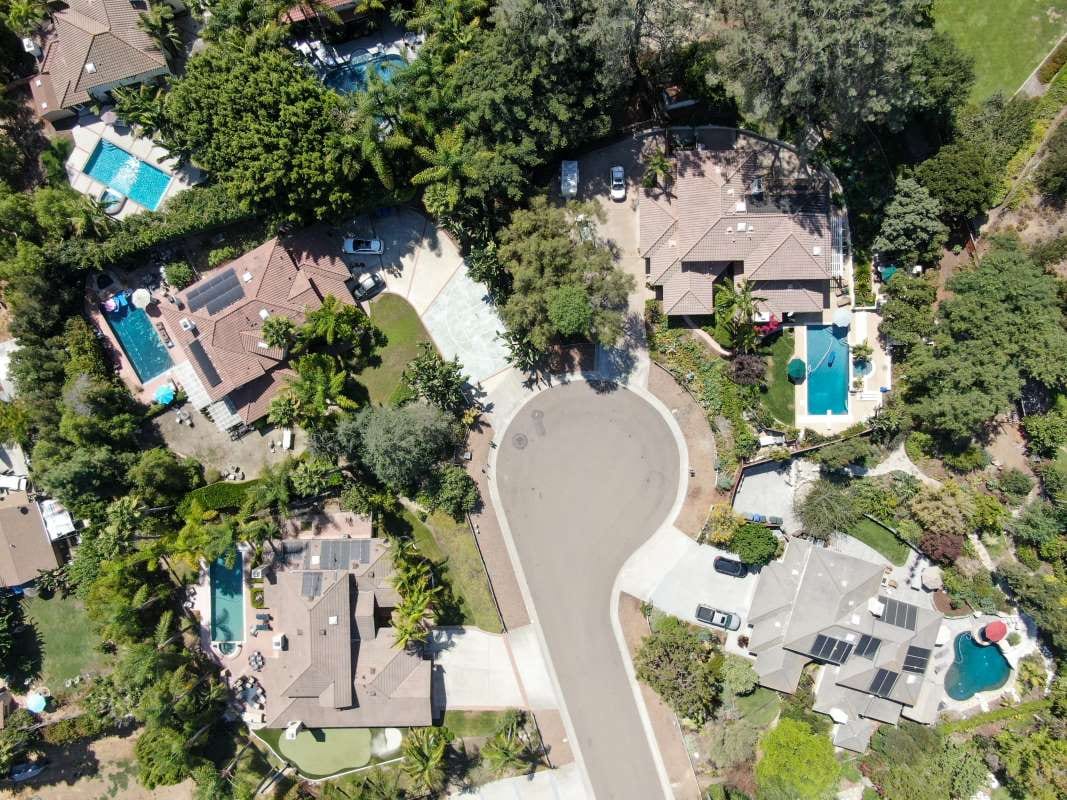
This is also a market where route density matters more than buyers sometimes realize. A desert city can feel compact on a map while still producing wasted drive time if accounts are spread across disconnected neighborhoods or mixed with stops far outside the buyer’s intended service zone. Palm Springs routes perform best when the accounts are clustered in a way that keeps service days efficient and predictable. Dense geography protects margins, makes staffing easier, and reduces the drag of fuel and windshield time.
For first-time buyers, that efficiency is what turns a route into a real business instead of a job with constant driving. For existing pool companies, Palm Springs can be an attractive expansion area because year-round service helps smooth seasonal swings that hit other markets harder. The local conditions support recurring work, repair opportunities, and longer customer relationships when service stays consistent. That is the core reason this market continues to draw attention from serious buyers.
What to Evaluate Before You Buy Pool Routes for Sale in Palm Springs
The best buying decisions start with the route itself, not the headline promise. When reviewing pool routes for sale in Palm Springs, buyers should examine how the accounts operate day to day. The first question is territory. If the stops are not logically grouped, the route will be harder to run than it needs to be. Tight routing creates room for growth. Loose routing creates fatigue.
The next issue is pool type and service complexity. Some accounts are straightforward weekly cleanings with stable equipment and clear homeowner expectations. Others carry heavier needs, such as older systems, recurring debris problems, demanding chemical management, or customers who expect frequent communication. A buyer needs to know whether the route is built around simple maintenance or whether it leans heavily toward service calls and repair coordination. Neither model is wrong, but the buyer should know which business they are stepping into.
Account quality also matters more than raw volume. Durable accounts are accounts that fit the route, pay on time, accept professional recommendations, and align with the operator’s service standards. In Palm Springs, that often means understanding whether the route serves full-time residents, seasonal owners, vacation-oriented properties, or a mix. Each group communicates differently and expects a different style of service. A route with the wrong customer mix for the buyer’s management style can create friction even if the pools themselves are manageable.
Then there is equipment exposure. California service companies do more than skim and balance water. They work around pumps, heaters, automation systems, filters, valves, and sanitation equipment that all age under desert conditions. Buyers should look closely at what kind of equipment profile the route carries. A route loaded with older systems may generate repair work, but it may also require more time, deeper technical comfort, and stronger customer communication.
Finally, buyers need clarity on support. Training, transition guidance, and account replacement protection are not side benefits. They are part of the economics of the purchase because they reduce disruption during the early handoff period. A route that comes with a real transition framework gives the buyer a better chance to retain momentum and build from the base they are purchasing. In Palm Springs, where service expectations are high, that support can make the difference between a clean launch and a chaotic one.
Pricing, Multipliers, and What Value Really Means
Route pricing should be judged by structure, not by guesswork. In this business, the key question is whether the route’s billing profile, geography, and service burden justify the purchase. The right route is not simply the cheapest option. It is the route that gives the buyer the clearest path to efficient operations and profitable growth.
Superior Pool Routes uses a clear multiplier model. For pool routes with 40+ accounts, pricing is 6× monthly billing. For 30–39 accounts, pricing is 6.5× monthly billing. For 20–29 accounts, pricing is 7× monthly billing. The wider industry standard is 12×. That difference matters because it changes how quickly an operator can put a route to work and start building on it instead of spending too long trying to recover an inflated purchase price.
In Palm Springs, value is tied closely to density and account fit. A route with better clustering can outperform a larger route that forces inefficient driving and broken service windows. Likewise, a route with customers who understand regular service often produces a smoother ownership experience than one loaded with mismatched expectations. Buyers sometimes focus too much on the visible top line and too little on what it takes to service each stop consistently. That is where mistakes happen.
California also requires buyers to stay grounded in state-specific operating realities. Labor, compliance, and customer expectations differ from other states. It is not useful to borrow billing assumptions from Florida, Texas, Arizona, or Nevada and apply them to Palm Springs without context. California buyers need California logic. A sound purchase is one that reflects local service conditions, not broad industry shorthand.
That is why pricing should always connect back to route design. When the route is built well, the multiplier works as part of a stable business model. When the route is poorly grouped or overloaded with service complexity, even a lower purchase price can become expensive in practice. The route has to work on the road, not just in a spreadsheet.
How Palm Springs Operating Conditions Affect Daily Service
Owning a route in Palm Springs means working in a market shaped by desert conditions. The area’s heat, dust, and sun exposure affect both pool care and business operations. Buyers who understand those conditions before they purchase are better positioned to run a cleaner route from day one.
Water care comes first. High heat places steady pressure on chemistry and water level management. Customers in Palm Springs often expect their pools to remain swim-ready with minimal interruption, so service consistency matters. If an operator falls behind, problems can stack up quickly. That makes route organization critical. When service days are tight and logical, the owner has room to handle surprises without losing control of the week.
Debris is another factor. Palm Springs pools may not face the same organic load as heavily wooded markets, but wind-blown dirt and fine desert debris create their own maintenance pattern. Filters, baskets, and circulation systems all feel that pressure. Pools can look deceptively clean from a distance while still carrying a service burden that shows up in water quality and equipment strain. Experienced operators account for that and price their time accordingly.
The sun also changes the equipment picture. Extended UV exposure is hard on visible plastic components, lids, seals, and other parts that live outdoors year-round. Buyers should expect equipment conversations to be part of normal customer service, not a rare add-on. A Palm Springs route can open repair and upgrade work for owners who are equipped to handle it, but only if they have the technical systems and communication habits to manage that side of the business well.
Customer communication in this market also deserves attention. Some owners live in the home full-time. Others may be away for stretches and rely on consistent updates. That means the route owner needs a repeatable communication process for service notes, equipment concerns, and recommendations. In practice, this is where software becomes valuable. Using tools like EZ Pool Biller can help organize invoices, service tracking, and account management so the administrative side of the route does not fall behind the fieldwork.
Palm Springs rewards operators who run clean systems. The weather creates demand, but it also exposes weak scheduling and weak communication fast. A route built for this market should support disciplined service, not constant recovery work.
Why Buyers Choose Superior Pool Routes in California
The right route provider does more than transfer accounts. The provider should help the buyer enter the market with structure, training, and a route designed to function in the territory they actually want to serve. That is where Superior Pool Routes stands apart.
Since 2004, Superior Pool Routes has focused on building pool routes for buyers who want a practical way into the business or a strategic way to expand. That matters in Palm Springs because buyers are not just looking for random accounts. They need a route that supports consistent service days, manageable growth, and a territory that makes sense for California operations. Superior Pool Routes builds with those realities in mind.
Support is a major part of that value. Every route purchase includes pool route training, which helps buyers move from acquisition into operation with fewer blind spots. That is especially important for first-time owners who understand customer service and business ownership but want a stronger transition into the daily rhythm of route management. Training shortens the learning curve and gives the buyer a clearer operating standard from the start.
The company also backs purchases with a 60-day warranty. That protection matters because route ownership is strongest when the early transition period stays stable. Buyers should not have to absorb unnecessary uncertainty while they are building their service cadence. A replacement framework supports continuity and reinforces the value of the purchase.
For buyers comparing their options, transparency around pool route pricing and the buying process matters as much as the route itself. Palm Springs is a serious market. Buyers need serious structure. Superior Pool Routes provides that structure with a model designed for operators who want to grow, not just acquire a stack of stops and hope it works.
The result is simple: a better route foundation. In a market like Palm Springs, that foundation is what turns an opportunity into a business with staying power.
Frequently Asked Questions
Are pool routes for sale in Palm Springs good for first-time buyers?
Yes, if the route is built with tight geography and realistic service demands. Palm Springs offers year-round work, which helps first-time buyers build routine and customer relationships without relying on a short seasonal window. The key is buying a route that is manageable on the road, not just attractive in theory.
What makes a Palm Springs pool route different from other California markets?
Palm Springs is shaped by desert operating conditions. Heat, wind, dust, and strong sun exposure affect chemistry, cleaning patterns, and equipment wear. That means route buyers should pay close attention to service complexity, communication expectations, and how efficiently the stops are grouped.
How should I think about pricing for a pool route in Palm Springs?
Start with the route’s billing base, account fit, and density. Superior Pool Routes prices 40+ account routes at 6× monthly billing, 30–39 at 6.5×, and 20–29 at 7×, compared with a broader industry standard of 12×. The real test of value is whether the route supports efficient service and room to grow in California conditions.
What support should come with a route purchase?
A strong purchase should include transition guidance, training, and protection during the early handoff period. Superior Pool Routes includes our training and an account replacement warranty, which helps buyers move into ownership with more control and fewer operational gaps.