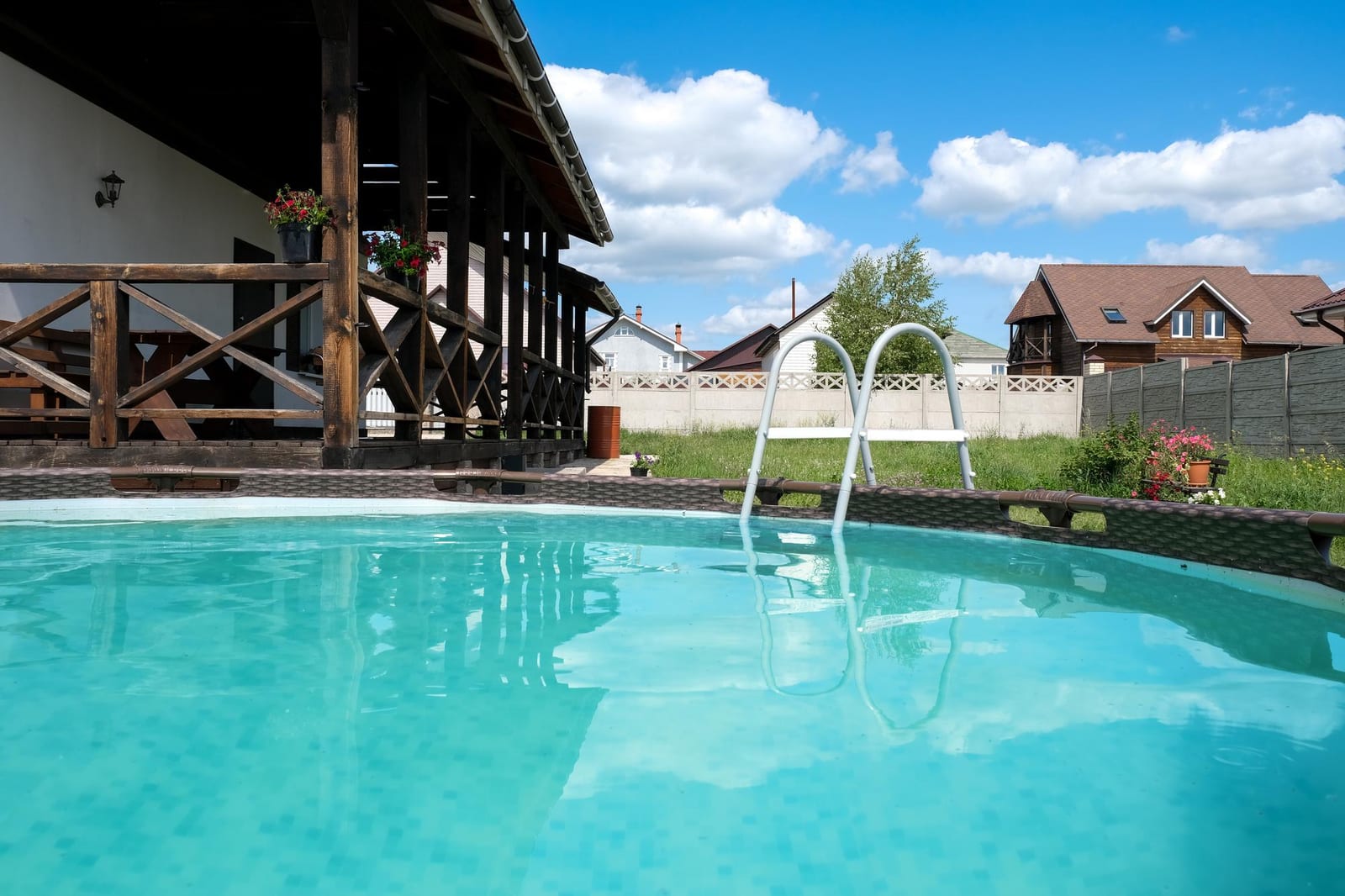
📌 Key Takeaway: Florida's year-round sunshine and dense pool ownership make cities like Apopka, North Miami, Margate, Coconut Creek, and Sarasota prime targets for pool service entrepreneurs looking to build profitable, scalable businesses through pool routes.
Why Florida's Pool Market Is a Business Opportunity Worth Taking Seriously
Florida has more residential pools per capita than almost any other state in the country. The combination of a subtropical climate, a culture built around outdoor living, and continuous population growth means demand for professional pool maintenance never slows down. For someone looking to own a service business with recurring monthly revenue, few industries offer the reliability that pool care does.
The economics also support the market. Florida's median household income was $74,568, according to the Census ACS 2024 profile dated December 31, 2024 (source). That kind of household spending power helps sustain regular service, equipment repairs, and upgrades across a wide range of neighborhoods.
The five cities covered here — Apopka, North Miami, Margate, Coconut Creek, and Sarasota — each represent distinct corners of Florida's pool service market. Understanding what makes each city tick helps you choose the right territory and set realistic expectations before you invest.
Apopka: Suburban Growth Fueling Consistent Demand
Apopka sits in Orange County northwest of Orlando, and it has grown rapidly over the past decade. New subdivisions continue to expand outward, bringing with them residential pools that need maintenance from day one. The demographic mix — young families settling in for the school districts and retirees drawn by lower costs than coastal cities — means the client base is stable rather than transient.
For pool service operators, suburban markets like Apopka have a key advantage: route density. Neighborhoods are laid out in tight clusters, so you can service dozens of accounts without burning hours on highway time. Lower drive time between stops directly improves your effective hourly rate and makes it easier to take on additional accounts as your business grows.
That spending power matters in a place like Apopka, too. When households have room in the budget, they are more likely to keep service consistent and approve repairs before small problems turn into expensive ones. That creates cleaner collections and steadier route performance.
North Miami and the Broward Coast: High Density, High Turnover
North Miami operates at a different pace. It is a dense urban environment where waterfront properties, condominium complexes, and upscale residential neighborhoods all generate pool service demand. High resident turnover in rental-heavy areas can be a challenge, but it also means a steady pipeline of new homeowners and property managers who need reliable service on short notice.
Working in this market rewards operators who stay organized and communicate proactively with clients. A technician who shows up consistently, documents chemical readings, and follows up after service calls builds the kind of loyalty that survives neighborhood turnover.
Margate and Coconut Creek, both in Broward County, add complementary opportunities nearby. Margate is family-oriented with stable long-term homeowners — the kind of clients who stay on your route for years. Coconut Creek skews toward higher-income households that expect premium service and are willing to pay for it. Combining accounts across these two cities can balance the predictability of Margate with the revenue upside of Coconut Creek's affluent clientele.
Florida's income profile helps explain why this mix works. Even within the same county, households support different service levels, so operators who understand their territory can match billing, communication, and service expectations to the market instead of forcing one model everywhere.
Sarasota: Year-Round Business With a Seasonal Boost
Sarasota on Florida's Gulf Coast attracts a different buyer profile than South Florida markets. The city draws retirees, remote workers, and seasonal residents who own second homes. That seasonal influx creates two distinct business rhythms: a steady base of full-time residents who need weekly maintenance year-round, and a wave of snowbirds who open their pools in fall and close them in spring — generating additional opening and closing service calls that pad revenue.
Sarasota's real estate market leans toward higher-value properties. Pools here tend to be larger and more complex, which means more time per visit but also higher per-account revenue potential. Operators who invest in training on variable-speed pumps, automation systems, and water feature maintenance will find Sarasota accounts among the most lucrative in the state.
The local income picture supports that demand. Florida's median household income of $74,568, reported in the Census ACS 2024 profile dated December 31, 2024, gives Sarasota operators a useful benchmark for evaluating how much service and equipment work the market can absorb.
What to Look for When Evaluating a Pool Route
Regardless of which city you target, the same due-diligence principles apply when evaluating pool routes for sale.
Account concentration matters. A route where 40% of revenue comes from a single commercial property or HOA is riskier than one spread across 50 individual homeowners. Ask for a client list broken down by monthly billing and tenure — accounts that have been with the previous operator for three or more years signal genuine satisfaction rather than inertia.
Route geography matters almost as much as account count. Map the stops before you commit. A route with 60 accounts spread across two counties will cost you more in fuel and time than 45 accounts in two adjacent zip codes. Tighter routes are more profitable per account even if the headline number looks smaller.
Service history documentation is a trust signal. A seller who can hand over chemical logs, equipment repair records, and client contact notes is selling a real business. One who can only offer a spreadsheet of addresses is selling a list.
In Florida, that documentation is even more useful because weather, water balance, and equipment wear can shift fast from one neighborhood to the next. A clean paper trail helps you protect margins and keep service standards consistent across the route.
Building a Business That Scales
Buying a route is the start, not the finish line. The operators who build genuine businesses — rather than just owning a job — treat their first route as a learning platform. They develop efficient chemical programs, invest in organized scheduling software, and build relationships with suppliers who can provide reliable parts and materials.
The next step after stabilizing a first route is adding accounts selectively. Acquiring additional pool routes for sale in adjacent zip codes lets you grow without retraining on a new market. You already know the water chemistry norms for your region, the preferred service window your clients expect, and the local equipment suppliers. Each additional account you add to an existing route costs far less to service than the first accounts you ever took on.
Florida's five-city corridor from Apopka through Sarasota gives operators a wide range of territory types without leaving a state that supports the business model. The combination of climate, household spending power, and year-round demand is exactly why pool routes remain such a steady trade.
Related Articles
- Pool Routes For Sale Florida: Sarasota, Sarasota County, FL, Clearwater, Pinellas County, FL, Coconut Creek, FL, Hobe Sound, FL, Miami, FL
- Swimming Pool Routes for Sale: Clearwater, Pinellas County, FL; Sarasota, Sarasota County, FL; North Port, FL; West Palm Beach, FL; Coconut Creek, FL
- Pool Routes for Sale in Coconut Creek, Hernando, Palm Beach, Margate, and Southwest Ranches, Florida
- Swimming Pool Routes for Sale: Osprey, Sarasota County, FL; New Smyrna Beach, FL; Apopka, FL; Margate, FL; Palm Beach Gardens, FL