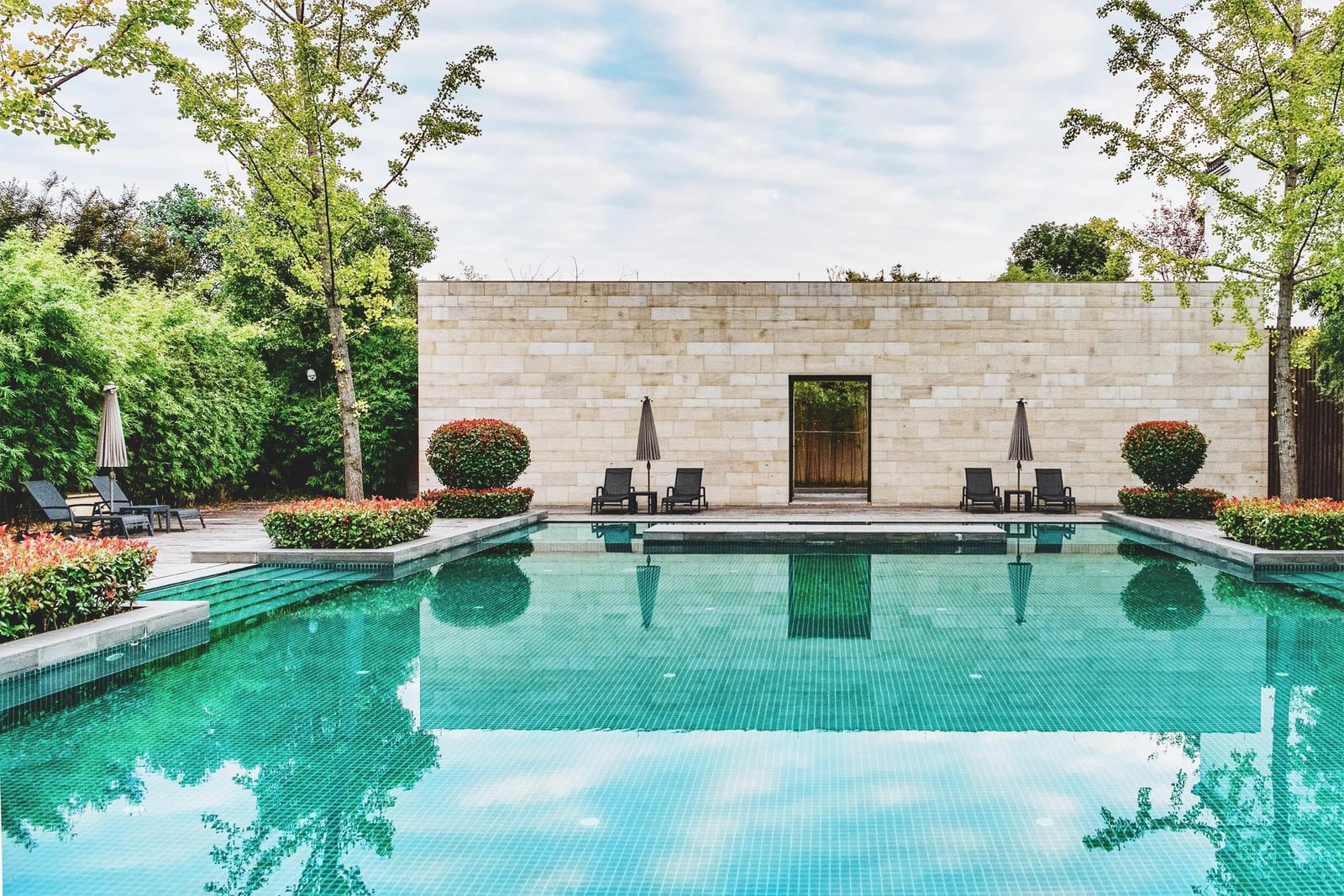
📌 Key Takeaway: Pool routes for sale in Alvin give operators a practical way to grow in Brazoria County with tighter drive times, repeat service demand, and a clearer path to steady monthly billing.
If you are evaluating pool routes for sale in Alvin, focus on what makes the area workable day after day: neighborhood density, manageable drive patterns, year-round service needs, and billing that matches Texas conditions. Alvin is close enough to major population corridors to support growth, but local success still depends on route design, customer fit, and operational discipline. A good route is not just a list of stops. It is a system that lets you clean more pools with less wasted windshield time while keeping service quality consistent.
That matters even more in Texas, where heat, storms, equipment strain, and travel distance can either tighten your margins or eat them away. Operators who buy smart in Alvin are not chasing volume alone. They are looking for compact service areas, reliable monthly work, and a route structure they can scale without turning every service day into a long-haul drive.
Why Alvin Works for Pool Route Growth
Alvin gives pool service operators a strong mix of suburban residential demand and practical access to surrounding service territory. That combination makes it attractive for both first-time buyers and existing companies that want to expand without jumping into an oversized metro footprint all at once. You get proximity to larger population centers, but the real value comes from how a route can be laid out around neighborhoods, not just city lines.
In pool service, geography shapes profit. A route in Alvin works best when accounts are grouped in a way that cuts down on nonbillable time between stops. That is where many operators win or lose. A scattered account base may look good on paper, but the daily reality is different when technicians are burning time in traffic or crossing too much territory for too few pools. Alvin supports a more disciplined approach. If the route is built with density in mind, you can maintain service consistency, protect labor efficiency, and leave room for future additions nearby.
Texas service conditions also support recurring demand. Pools need regular cleaning, chemical balancing, equipment checks, and seasonal attention even when swimming patterns shift. Heat drives evaporation, weather affects water balance, and storms can load pools with debris in a hurry. In markets like Alvin, that creates ongoing need instead of occasional work. For a route owner, recurring need is the point. It is what turns a service map into a steady business.
That is why Alvin deserves a serious look. Not because it is flashy, but because it fits the fundamentals of route ownership: repeat demand, accessible neighborhoods, and room to grow with control.
What to Look for in Pool Routes for Sale in Alvin
Not every route opportunity is worth the same attention. When reviewing pool routes for sale in Alvin, start with concentration, not headline size. A route with tighter clustering usually gives you more operational value than one spread across too many disconnected pockets. The more compact the service area, the easier it is to protect arrival windows, fit in repairs, and recover from weather delays without losing the whole day.
Next, look at the type of accounts in the route. Residential service tends to drive consistency in Alvin, especially when neighborhoods support routine weekly care. You want accounts that fit a stable schedule and do not force constant exceptions. A route becomes harder to manage when every stop has a different access issue, billing arrangement, or service expectation. Predictability matters because predictable routes are easier to staff, train, and scale.
Equipment mix matters too. A route heavy with aging systems, neglected pads, or recurring repair problems may create more workload than value. That does not mean older pools should be avoided. It means you need a clear picture of what the service burden looks like before you commit. If every week requires extra troubleshooting, your cleaning route starts behaving like a repair route without the same planning or margin control.
You should also evaluate how the route fits your current business model. An owner-operator may prioritize compact service days and easier customer management. A company adding trucks may care more about territory fit, technician deployment, and the ability to bolt on nearby growth. The same route can look very different depending on who is buying it.
For buyers working with Superior Pool Routes, this is where route design matters. Superior Pool Routes builds pool routes to the size and territory the buyer needs, rather than pushing a one-size-fits-all package. That approach matters in Alvin because the right route is defined by efficiency on the ground, not by generic sales language.
Texas Costs, Billing, and Why Density Matters
In Texas, route economics are shaped by more than just monthly service charges. Fuel, travel time, labor availability, weather disruption, and utility-related equipment demands all affect how a route performs. Alvin operators need to think in systems. The tighter the route, the easier it is to absorb routine cost pressure without sacrificing service quality.
Electricity is one part of that conversation because it influences how pool owners think about pump runtime, equipment use, and upgrade decisions. According to the U.S. Energy Information Administration, Texas residential retail electricity averaged 15.94¢/kWh in June 2026. Source: EIA Electricity Monthly, June 1, 2026. That figure does not set your route pricing by itself, but it does help explain why customers pay closer attention to pump schedules, automation settings, and equipment efficiency. Operators who understand that concern can have better service conversations and position themselves as practical problem-solvers rather than just cleaners.
Billing in Texas should always be treated as Texas-specific. You do not lift assumptions from Florida or Arizona and expect them to fit Alvin. Local travel conditions, service frequency, customer expectations, and the spread between neighborhoods all affect what a route needs to produce in order to remain healthy. A route with strong density absorbs cost pressure better than scattered competition because less of the day is lost in transit.
This is also where acquisition math matters. Superior Pool Routes uses clear multiplier ranges: 40+ accounts at 6× monthly billing, 30–39 at 6.5×, and 20–29 at 7×. The industry standard is 12×. Those ranges give buyers a grounded way to think about value, but the multiplier alone never tells the whole story. In Alvin, route quality depends on how well those accounts fit together geographically and operationally. A lower-friction route often performs better than a larger one that creates daily inefficiency.
Training matters just as much as pricing. A route transition goes smoother when the buyer understands local service patterns, customer communication standards, and how to maintain continuity from the first week. That is why route growth should be treated as an operations decision, not just a purchase decision.
How to Judge Long-Term Opportunity in Alvin
A smart buyer looks past the handoff and asks what the route can become over time. Alvin offers long-term opportunity when the route is positioned near neighborhoods that can support add-on growth. The best route platform is one that lets you serve current accounts well while leaving practical room to expand nearby without stretching the map.
Start by examining the route’s service rhythm. Can stops be grouped into stable service days? Is there enough flexibility to handle rain delays, storm cleanup, or equipment calls without wrecking the week? Texas weather forces route owners to think ahead. Heavy rain, wind, heat, and occasional freeze conditions do not stop the business, but they do punish weak scheduling. A route that looks manageable under perfect conditions may become chaotic once weather interruptions hit.
Customer fit is another long-term factor. Good route growth comes from accounts that support recurring service, clear communication, and professional boundaries. You do not need every customer to be identical, but you do need a route culture that is manageable. If every stop brings friction, schedule exceptions, or payment headaches, growth gets harder because the owner is always solving avoidable problems.
Alvin also works well as a foothold market for broader expansion into nearby areas. That is important for companies that want more than a single-truck operation. If the route is built intelligently, it can serve as the center of a larger service footprint over time. The key is to grow outward in a controlled way rather than taking isolated accounts wherever they appear. Route density is not a small detail. It is the foundation of scale.
This is one reason pool routes remain a steady business model. Pools keep needing service. Equipment keeps needing attention. Water chemistry does not manage itself. In a market like Alvin, operators who stay disciplined on route layout and customer quality can build something durable.
How Superior Pool Routes Helps Buyers Enter Alvin the Right Way
Buying into a service market is easier when the route is built around how you actually want to operate. Superior Pool Routes has been in business since 2004, and that experience matters because route buying is rarely just about finding accounts. It is about entering a market with a plan that makes operational sense from day one.
For some buyers, that means starting with a manageable route they can run themselves while they learn the territory. For others, it means adding a route that fits an existing Texas operation and strengthens density across nearby service zones. In both cases, the goal is the same: create a route that supports dependable service, clean scheduling, and growth that does not spiral into inefficiency.
Superior Pool Routes also includes training with every route purchase, which matters more than many buyers expect. Even experienced operators benefit from a structured transition. Training helps align service expectations, route flow, and the practical details that keep customers from feeling a disruption during the handoff. That stability protects the route while the new owner gets fully operational.
The account replacement warranty adds another layer of confidence. In route ownership, continuity matters. Buyers are not looking for uncertainty; they are looking for a workable business asset with support behind it. That is especially valuable in a market like Alvin, where the right route can become a strong base for broader growth if the launch is handled correctly.
A route should make your business simpler, not more chaotic. That is the standard to apply when entering Alvin. If the route improves density, supports recurring service, and fits your operating model, it gives you a platform you can build on.
Frequently Asked Questions
Are pool routes for sale in Alvin a good fit for first-time buyers?
Yes, if the route is sized appropriately and built around manageable geography. Alvin can work well for first-time buyers because it offers recurring residential service demand without requiring an immediate jump into a massive territory. The key is starting with a route that matches your capacity and lets you maintain service quality from the beginning.
What makes an Alvin pool route more valuable than a scattered route?
Density. A compact route reduces drive time, makes scheduling easier, and helps you recover from weather delays or repair calls without losing the whole day. In Texas, route performance depends heavily on how efficiently stops are grouped. A scattered route creates more friction, which weakens margins and service consistency.
How should I evaluate pricing for a pool route in Alvin?
Look at the multiplier and the route structure together. Superior Pool Routes uses 40+ accounts at 6× monthly billing, 30–39 at 6.5×, and 20–29 at 7×, with an industry standard of 12×. But pricing only makes sense when the route also has strong territory fit, serviceable account concentration, and a realistic transition plan.
Why does local Texas context matter when buying a route?
Texas conditions affect billing, scheduling, and customer expectations. Heat, storms, travel patterns, and equipment use all shape how a route performs in real life. Alvin buyers should evaluate the route as a Texas operation, not as a generic service business, because local operating realities are what determine whether the route stays efficient and profitable over time.