📌 Key Takeaway: Monsoon season is the make-or-break stretch of the year for Southwest pool routes, and techs who build a repeatable pre-storm, during-storm, and post-storm protocol protect customer retention, reduce callbacks, and capture profitable add-on work.
Why Monsoon Season Reshapes Your Service Route
From mid-June through late September, Arizona, southern Nevada, and parts of New Mexico shift from dry heat to a humid, debris-heavy pattern with afternoon microbursts that can drop an inch of rain in twenty minutes. NOAA’s 2025 statewide cooling-degree-day data for Arizona came in at 307 for May, which is a clean reminder that the season is already operating at full speed before the first real storm hits. For a pool service business, that means cloudy water complaints, tripped GFCIs, blown-in landscaping, and stop-by requests that wreck a tight route schedule. Owners who treat monsoon season as a predictable operational event, rather than a string of emergencies, finish the season with healthier margins. If you are scaling a territory or evaluating new accounts on the pool routes for sale market, ask the seller how they handled the last three monsoon seasons before you sign anything. You can also verify the climate baseline yourself in NOAA’s Arizona cooling-degree-days record for May 2025, which shows how hard the season hits even before storm debris becomes the main problem.
Pre-Season Equipment Audit on Every Stop
Use the two weeks before the first storm to run a documented audit on each pool you service. Open the pump lid, inspect the impeller for cracks, and confirm the lid o-ring is pliable, because a dry o-ring will suck air the moment a storm drops debris on the skimmer. Backwash sand and DE filters down to clean pressure, and replace cartridges that are more than 18 months old. Check the pressure gauge against your route notes from spring so you have a clean baseline to compare against after a storm.
Walk the equipment pad and look for anything sitting at grade. Pumps, salt cells, and variable speed drives that flood once usually fail within a season. Recommend a 4-inch concrete riser or pressure-treated platform as a billable upgrade, and document the recommendation in your CRM so you are covered if the customer declines and equipment later fails. Tighten unions, replace any cracked sight glasses, and confirm the time clock or automation controller is sealed against water intrusion.
The same logic applies to route planning. When a market is already carrying high summer load, a missed pump lid or loose conduit turns into a callback, then a reschedule, then a lost hour somewhere else on the street. A clean audit gives you a shorter recovery path when the weather turns.
Pre-Storm Chemistry Targets
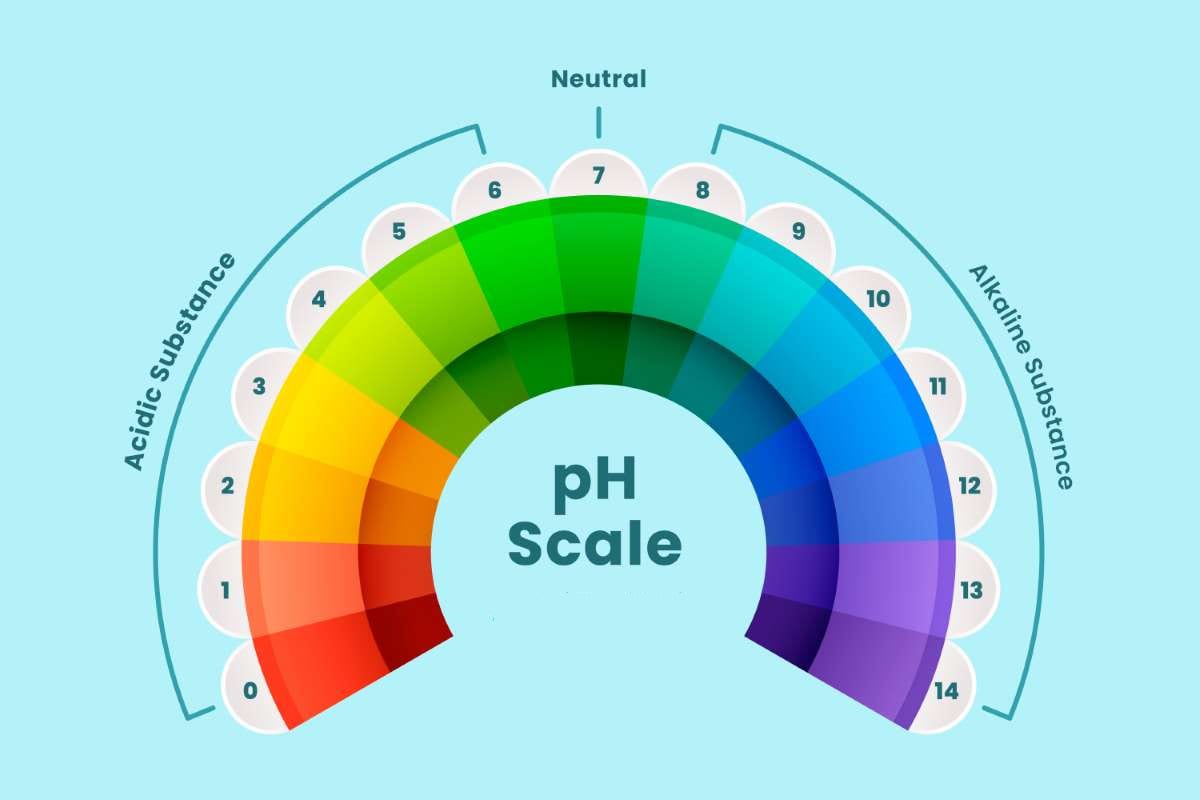
Rainwater in the Southwest typically lands between pH 5.0 and 6.0 and carries dust, ash, and pollen that consume free chlorine fast. Walk into monsoon season with chemistry biased slightly high so you have a buffer to lose. Aim for free chlorine at 4 to 5 ppm, pH at 7.6, total alkalinity at 100 to 120 ppm, and cyanuric acid at 50 to 70 ppm on outdoor pools. Calcium hardness should sit at 250 to 350 ppm to prevent etching when rain dilutes the pool.
If you run a chlorine tab feeder, switch to the next size up or add a secondary floater for the season. On salt pools, bump the cell output 10 to 15 percent and confirm the salt level is at the manufacturer top of range. These small adjustments cost almost nothing per stop but dramatically reduce the green-pool callbacks that eat your Saturdays.
Storm intensity in Arizona makes that buffer matter. A few extra ppm of chlorine is cheaper than a second trip, and a second trip is cheaper than losing the customer when the water turns over and never recovers cleanly. That is why the chemistry plan should be set before the clouds build.
Hardening the Pool Deck and Yard
Most monsoon damage starts outside the pool. Before the first storm, walk each yard with the homeowner if possible and identify loose items that will end up in the water: patio cushions, umbrellas, planters, kids toys, and unsecured solar blankets. Recommend trimming oleander, palo verde, and mesquite branches that overhang the pool, because those species drop fine debris that clogs skimmer baskets and stains plaster within hours.
Check that deck drains and scuppers are clear. A blocked deck drain sends runoff carrying landscaping mulch, fertilizer, and dirt straight into the pool, which spikes phosphates and feeds algae. If a customer has chronic runoff problems, this is a natural conversation about a service upgrade or a one-time storm-prep visit billed separately from the weekly route.
That pre-work also protects your schedule. A yard that is cleaned up before the first storm is easier to recover after the second one, and that is the difference between a controlled route and a week of emergency triage.
During-Storm Protocols You Can Actually Execute
You cannot service pools during an active microburst, but you can prepare customers and protect your schedule. Send a short text blast the morning a storm is forecast reminding customers to secure loose items and avoid running pool equipment during lightning. If you have automation access, set pumps to run a longer cycle overnight after the storm passes so the filter captures suspended debris while you sleep.
Build a storm-day buffer into your route. Many successful operators leave Wednesday or Thursday afternoons open during monsoon season specifically to absorb emergency stops and reschedules. That flexibility is what separates a route that runs smoothly all summer from one that bleeds customers in August.
Do not try to force a normal day when the weather says otherwise. In a storm-heavy stretch, the best move is to protect the route, keep customers informed, and return when the water and wind are both manageable. That keeps the service standards high and the route density profitable.
Post-Storm Recovery Visits
The 24 to 48 hours after a major storm is where you earn the season. Lead with the skimmer and pump baskets, then net heavy debris before you ever touch a vacuum head, because pulling palm fronds through a vac hose will cost you an afternoon. Brush the waterline aggressively, since storm dust binds to oils and creates a ring that becomes permanent if it sits more than a week.
Test chemistry on site and treat aggressively. A typical post-storm dose is one pound of cal-hypo or two gallons of liquid chlorine per 10,000 gallons, with a clarifier or flocculant if the water is cloudy. Run the filter continuously for 24 hours and plan a follow-up backwash or cartridge clean on the next visit. Document everything in your route software, because storm recovery work is often billable above the monthly rate when your service agreement is written correctly.
This is also where speed matters. Customers remember the technician who gets the pool back under control before the water turns green, and they remember the operator who stays quiet when the yard is full of debris. That kind of response builds trust that carries into the rest of the season.
Turning Monsoon Season Into a Growth Window
Storms generate referrals. Every neighbor watching a pro handle a green pool while their own water turns to swamp is a future customer. Print simple door hangers explaining your monsoon recovery service and leave them on adjacent houses while you are already on the street. Offer a flat-rate storm cleanup package, typically $150 to $250 depending on pool size, that converts cleanly into a weekly account.
Operators looking to expand into storm-heavy Southwest markets should evaluate books of business carefully. Browsing current pool routes for sale listings in Phoenix, Tucson, and Las Vegas gives you a sense of pricing, customer density, and which territories have the storm-resilient infrastructure that supports year-round profitability. A well-run monsoon protocol is one of the clearest signals that a route was managed by a professional, and it shows up in retention numbers, average ticket, and the cleanliness of the equipment you inherit on day one.
The season rewards operators who stay organized. When the first storm arrives, the route that already has equipment checks, chemistry targets, and recovery procedures in place absorbs the chaos and turns it into revenue instead of churn.