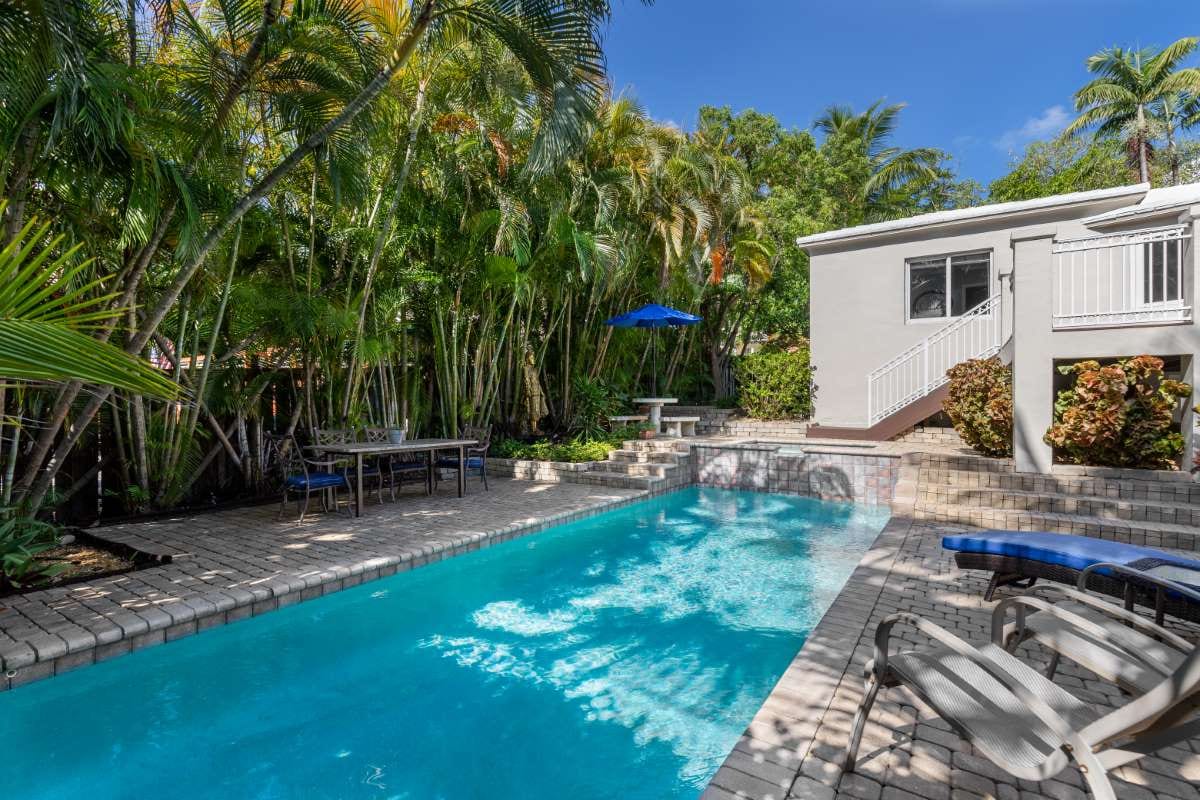
📌 Key Takeaway: High-ticket pool service accounts in Taylor County reward operators who pair premium chemistry programs with disciplined route density, turning Abilene's long swim season into predictable recurring revenue.
Why Taylor County Rewards Premium Service Pricing
Taylor County sits in a sweet spot for pool service economics. Abilene anchors the county with roughly 125,000 residents, and the surrounding communities of Tuscola, Buffalo Gap, and Merkel host a steady mix of executive homes, ranch properties, and country club builds. The swim season effectively runs March through October, with a meaningful shoulder season on either side because pool owners here keep equipment running for freeze protection well into December.
That long operational window matters because the customer base can support stronger monthly billing without relying on peak-summer volume alone. Texas median household income was $78,476 in the Census ACS 2024 release, dated December 31, 2024, and that income base helps explain why premium service levels can hold in and around Abilene. For operators sourcing pool routes for sale in this market, the pricing ceiling is meaningfully higher than what you'll find in lower-cost rural counties.
What Counts as a High-Ticket Account
A high-ticket account is not simply an expensive stop on the route. It is a customer relationship structured around scope, frequency, and value-added work. The base service typically includes weekly chemical balancing, full brushing, vacuuming as needed, filter pressure checks, and equipment inspection. Beyond that, premium accounts usually fold in quarterly filter cleans, salt cell inspections, and proactive reporting on equipment lifespan.
The differentiator is documentation. High-paying customers want a service log they can read, photos of equipment readings, and a heads-up before something fails rather than an emergency invoice after. Build a simple weekly report template into your route software, and you immediately justify the price difference between a $140 commodity account and a $220 premium account.
That expectation lines up with the income profile of the market. The Census ACS 2024 Texas profile, dated December 31, 2024, shows a household income level that supports service buyers who care about consistency, communication, and equipment life rather than just the lowest monthly bill.
Building Route Density Around Abilene
Density is the single largest profit lever in this business. A technician driving from Wylie to Merkel to south Abilene burns an hour of windshield time that should be billable. The most profitable Taylor County routes cluster accounts inside three or four zip codes and schedule them on the same day each week.
When evaluating a territory, map every account by zip code and drive time before you make an offer. Routes that look attractive on a spreadsheet sometimes fall apart once you plot them geographically. Aim for stops that average no more than seven to ten minutes of drive time between accounts. At that density, a single technician can comfortably handle 55 to 65 weekly stops without burning out or cutting corners on chemistry.
In Taylor County, density also protects premium pricing. Customers who see the same technician on a predictable schedule are less likely to question a higher fee, especially when the route is tight enough to support faster response on equipment issues. That combination of convenience and consistency is what turns a service stop into a premium account.
Equipment Knowledge That Justifies the Premium
Customers paying top dollar expect a technician who can troubleshoot a Pentair IntelliCenter, replace a salt cell without scratching the deck, and explain why their cyanuric acid is drifting high. Invest in manufacturer training for the brands you encounter most often in Taylor County, which tend to be Pentair, Hayward, and Jandy.
Stock your truck accordingly. A premium route operator should carry replacement cartridges for the most common filter models, spare salt cells, O-rings, gaskets, and a small inventory of pump capacitors. Charging a $95 service call to drive back the next day for a $12 part erodes both margin and trust. Customers notice when you finish the job in one visit.
That technical depth matters more in higher-income neighborhoods because the customer is buying fewer interruptions, not just cleaner water. When you can diagnose a controller problem, catch a failing capacitor, and explain the fix in plain terms, you make the monthly fee feel earned.
Pricing the Add-On Work
The recurring monthly fee is only part of the revenue equation. High-ticket routes generate substantial additional income from filter cleans, acid washes, equipment installs, and seasonal services. Price these as separate line items rather than burying them in the monthly rate.
A typical Taylor County premium route generates 25 to 40 percent of annual revenue from add-on work. That figure climbs higher when the technician is proactive about recommending upgrades such as LED light conversions, variable-speed pump retrofits for the new energy code, and automation upgrades. Train yourself to walk every equipment pad with an upgrade lens, and document recommendations in writing so the customer can budget for them.
The economics work because premium customers are usually comparing value, not just line items. If the monthly service keeps the system stable and the add-ons prevent larger repairs, the higher-ticket model becomes easier to defend and easier to renew.
Vetting a Route Before You Buy
When you evaluate a Taylor County route on the market, dig past the gross revenue number. Ask for the customer list with tenure data, the average ticket per account, the cancellation rate over the past 24 months, and the breakdown of residential versus commercial stops. A route showing 4 percent annual attrition is worth meaningfully more than one churning at 15 percent, even at the same revenue.
Inspect the chemistry program the seller has been running. Routes maintained on trichlor tabs alone often hide cyanuric acid problems that will surface as customer complaints six months after the sale. Pull water samples on a sample of stops before closing if the seller will allow it. Working with a broker that specializes in Texas pool routes for sale gives you access to verified financials and route quality data that a private seller may not provide.
Income data helps here too. Taylor County is not a bargain-only market, and the Texas median household income figure reported in Census ACS 2024, dated December 31, 2024, supports a buyer who is underwriting premium service rather than chasing the cheapest possible route.
Staffing and Retention in West Texas
Labor is the constraint that limits most operators from scaling past one truck. Taylor County's labor market is tight, and pool service competes with oilfield wages for the same young workforce. Pay above market, provide a clean late-model truck, and offer a clear path to a route manager role. Technicians who feel respected stay, and tenured technicians make fewer chemistry mistakes that cost you accounts.
Build a written checklist for every stop and audit it through your route software. The goal is not to micromanage but to make quality consistent across technicians so the customer experience does not depend on who happens to be on the truck that week.
Retention matters even more in a premium book because the customer is paying for reliability as much as service. A stable technician on a dense route is easier to train, easier to monitor, and far more likely to protect the monthly price point.
Setting Up for Long-Term Growth
The operators who build durable businesses in Taylor County treat every account as a 10-year relationship. They invest in customer communication tools, send reminder texts before service days, and follow up after every equipment repair. They also reinvest profit into a second truck only after the first route is fully optimized, not before.
Track your gross margin per stop monthly, and resist the temptation to chase low-priced accounts just to fill the schedule. A focused book of 200 premium accounts at $210 per month produces a healthier business than 320 commodity stops at $130, and it takes less labor to maintain. That focus on quality over volume is what turns a Taylor County pool route into a high-ticket business.
The same logic applies when you compare markets inside Texas. A county with stronger household income, predictable seasonality, and dense service clusters supports a better recurring-revenue model than one built on low-price churn. Taylor County fits the premium end of that spectrum, which is why disciplined operators can keep compounding value year after year.