How Water Conservation Trends Affect Pool Design
Water conservation is becoming increasingly important in our society, influencing various industries, including pool design. As we face the realities of climate change and dwindling water supplies, the pool industry is adapting by incorporating sustainable practices into its designs. This article will explore how current water conservation trends are shaping pool design, examining the latest innovations and best practices that homeowners and pool builders alike are adopting to create beautiful, functional, and environmentally responsible pools.
With the growing awareness of environmental issues, homeowners are seeking ways to reduce their water usage while still enjoying their pools. Sustainable pool design not only addresses water conservation but also enhances the overall aesthetic and functionality of the pool area. In this blog post, we will delve into key trends in water conservation and how they are impacting pool design. We will discuss innovative technologies, landscaping strategies, and maintenance practices that are not only eco-friendly but also enhance the value and enjoyment of residential pools.
Furthermore, we will provide practical tips for homeowners looking to design or renovate their pools with water conservation in mind. By the end of this article, you will have a comprehensive understanding of how to create a sustainable pool environment that aligns with modern conservation efforts.
Understanding Water Conservation Trends
Water conservation is not just a trend; it has become a necessity as water scarcity affects communities worldwide. According to the U.S. Geological Survey, about 70% of the Earth’s surface is covered in water, but only a small fraction is accessible for human use. This alarming statistic has led many to rethink how they use water in their homes, particularly in outdoor spaces like pools.
As consumers become more conscious of their environmental impact, pool designers and builders are responding with innovative solutions. For instance, many new pools are designed to use less water through features such as dual filtration systems that minimize water loss during cleaning. Additionally, the incorporation of materials that reduce evaporation and the use of rainwater harvesting systems are gaining popularity.
Statistics show that traditional pools can lose up to 1,000 gallons of water a month due to evaporation alone. Therefore, implementing design features that reduce this loss not only conserves water but also saves homeowners money on their utility bills. Innovations such as variable-speed pumps are also making a significant difference by using less energy and allowing for more precise water flow, which can further enhance conservation efforts.
Eco-Friendly Pool Materials
Advancements in materials technology are also influencing the way pools are constructed. Eco-friendly materials such as recycled glass tiles, natural stone, and sustainable wood options are becoming more common in pool design. Not only do these materials reduce environmental impact, but they also offer aesthetic advantages. For example, natural stone provides a timeless look while being durable and low-maintenance.
Incorporating permeable surfaces around the pool area can help manage water runoff and reduce the need for additional irrigation. These surfaces allow rainwater to infiltrate the ground, replenishing the water table while also keeping pool decks cooler and more comfortable. The use of energy-efficient lighting and solar heating systems further complements eco-friendly pool design by reducing energy consumption.
Furthermore, sustainable pool designs often include landscaping that supports water conservation. Native plants that require minimal irrigation can be strategically placed around the pool area, creating a visually appealing environment while minimizing water usage. This approach not only enhances the beauty of the pool but also contributes positively to local ecosystems.
Water-Efficient Pool Features
As water conservation becomes more critical, specific features are being integrated into pool designs to enhance efficiency. One popular trend is the installation of automatic covers, which can significantly reduce evaporation when the pool is not in use. These covers also help maintain water temperature, reducing the energy required for heating.
Additionally, some pools are being equipped with smart technology that monitors water levels and quality. This technology can alert homeowners to any issues that might lead to water loss or require adjustments to the pool’s water chemistry. These advancements not only support water conservation but also enhance the overall user experience.
Integrating water features like fountains and waterfalls can also be done in a water-conscious way. These features can be designed to recirculate water rather than using a constant flow, providing the aesthetic appeal of moving water without the associated waste. Pool builders are increasingly offering options that incorporate such features sustainably, allowing homeowners to enjoy the beauty of water without excessive consumption.
Landscaping with Water Conservation in Mind
Landscaping plays a significant role in the overall design and functionality of a pool area. In recent years, the trend has shifted towards xeriscaping, which focuses on using drought-resistant plants and minimizing water requirements. This type of landscaping not only conserves water but also reduces maintenance efforts for homeowners.
Creating a natural buffer around the pool with native plants can enhance the ecosystem and provide habitats for local wildlife. This not only supports biodiversity but also adds to the beauty of the pool setting. Integrating features like rain gardens can capture runoff and filter it naturally, further enhancing environmental benefits.
Moreover, using mulch and other ground cover can help retain moisture in the soil, reducing the need for supplemental watering. Homeowners can also consider drip irrigation systems that deliver water directly to the plant roots, minimizing waste. These innovative landscaping practices can transform a pool area into a sustainable oasis while still being visually stunning.
Best Practices for Pool Maintenance
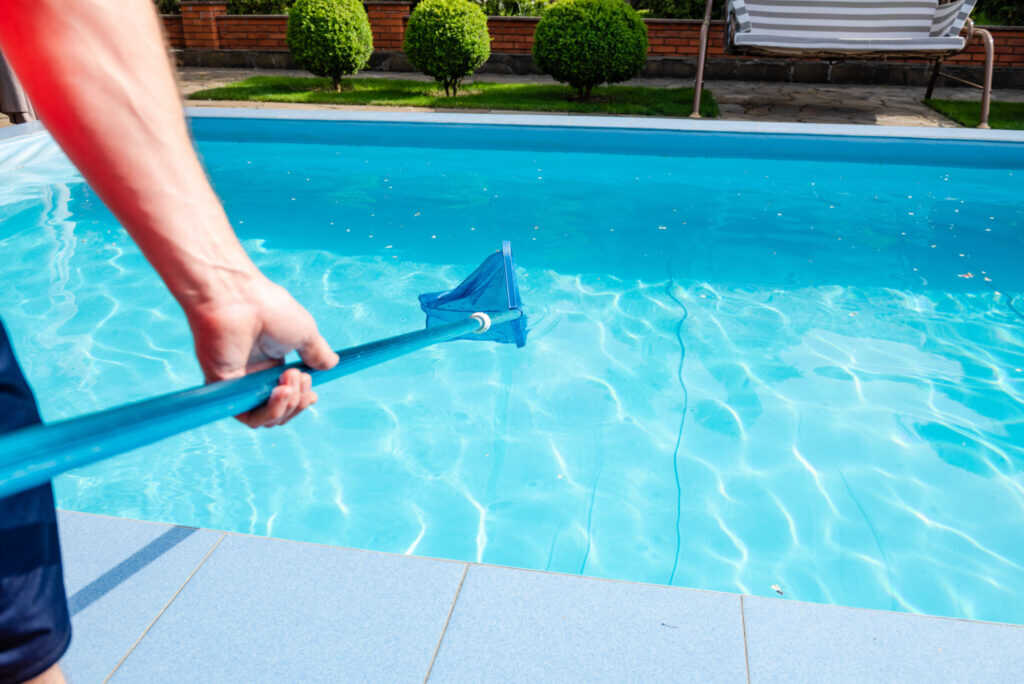
Proper maintenance is essential for conserving water and ensuring the longevity of the pool. Regularly checking for leaks and promptly addressing any issues can prevent significant water loss. Homeowners should also be educated on the importance of maintaining the pool’s filtration system to keep water clean and reduce the need for excessive backwashing, which wastes water.
Utilizing pool maintenance apps can help homeowners stay on top of their water usage and maintenance schedules. These applications can provide reminders for cleaning and chemical balancing, ensuring optimal water quality without unnecessary waste. Additionally, educating pool service professionals about water-saving practices can further enhance conservation efforts in the industry.
It’s also important to analyze water usage regularly. Homeowners can consider installing flow meters to monitor how much water is being used and identify any irregular patterns that may indicate leaks or inefficiencies. This proactive approach can save both water and money over time.
Innovative Technologies in Pool Design
The integration of technology in pool design is revolutionizing water conservation efforts. For example, advanced filtration systems now allow for better water management and quality without compromising on performance. These systems can detect when water clarity decreases and adjust filtration rates accordingly, ensuring that water remains clean while using the least amount possible.
Another emerging trend is the use of smart pools, which can be controlled via smartphone apps. These systems can adjust settings such as lighting, temperature, and filtration schedules to optimize water usage. Homeowners can monitor their pool’s performance and make real-time adjustments, promoting a more sustainable usage pattern.
Additionally, solar-powered heating systems are gaining popularity, allowing homeowners to heat their pools without relying on traditional energy sources. These systems can drastically reduce energy consumption and carbon footprints while ensuring that pools remain comfortable year-round.
The Future of Pool Design and Water Conservation
As water conservation continues to be a pressing concern, the future of pool design is set to evolve even further. Emerging technologies and sustainable practices will likely become standard in the industry, pushing the boundaries of what can be achieved in pool construction and maintenance.
Homeowners can expect to see more customizable options that not only cater to aesthetic preferences but also prioritize sustainable practices. This shift will lead to a new generation of pools that are both environmentally friendly and luxurious, offering a perfect balance between enjoyment and responsibility.
Moreover, as regulations around water use become stricter, the industry will adapt by pushing for innovations that meet or exceed compliance requirements. Pool builders and designers will need to stay informed about the latest trends and technologies to remain competitive in a market increasingly focused on sustainability.
Conclusion
Water conservation trends are undeniably reshaping the landscape of pool design, encouraging homeowners and builders to prioritize sustainable practices. From eco-friendly materials to innovative technologies, the pool industry is evolving to meet the challenges of water scarcity while still delivering beautiful and functional outdoor spaces.
By understanding these trends and implementing best practices, homeowners can enjoy their pools guilt-free, knowing they are contributing to a more sustainable future. Whether considering a new pool or renovating an existing one, integrating water conservation strategies can enhance the overall experience and value of the property.
If you’re looking to explore opportunities in the pool maintenance industry, consider connecting with an expert broker who can guide you through the process. For those interested in immediate income opportunities, [Pool Routes for Sale](https://pool-routes-for-sale.com/) offers a variety of options that can help you tap into the booming pool service market. Start your journey towards sustainable pool ownership today!